


What's Happening?
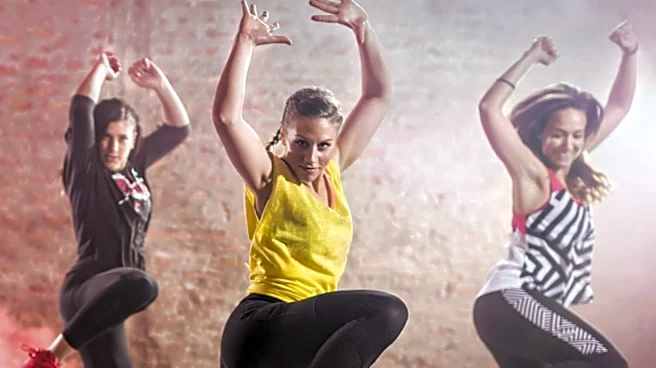
Dance workouts are gaining traction as an engaging and efficient method for fitness, blending cardiovascular exercise with various dance styles. These programs, which often include hip hop, commercial, and JFH, aim to tone and sculpt the body while promoting
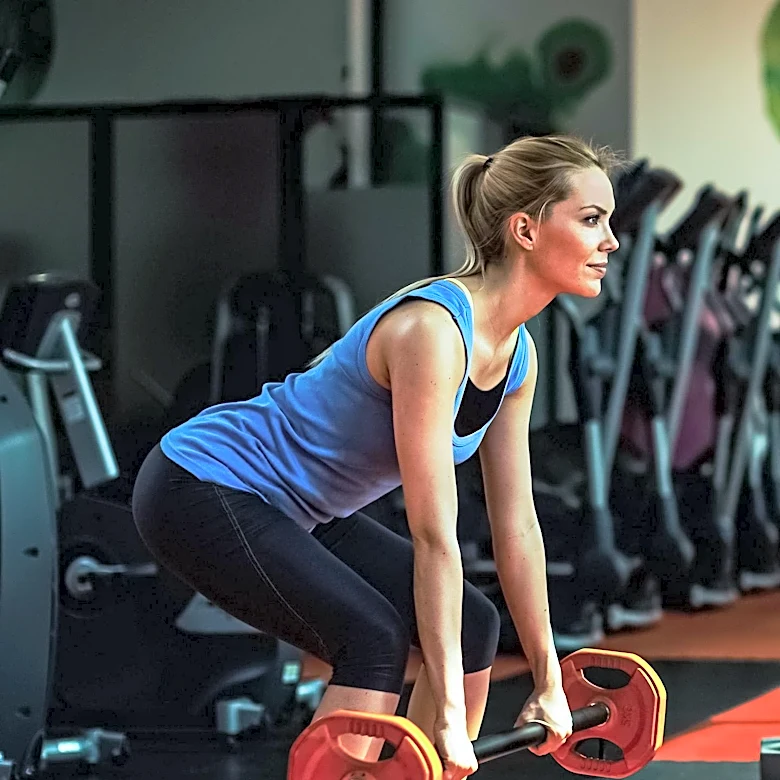
fat loss. A key feature of many dance workouts is the incorporation of interval training, which alternates between fast and slow rhythms and integrates resistance training. This approach maximizes calorie expenditure and muscle engagement. For instance, the 'Dance That Walk - Total Body Circuit' available on Prime Video exemplifies this by combining resistance exercises with dance and walking movements. In Nashville, TN, The Chrome Bar is highlighted as a recommended venue for these types of fitness activities, indicating a growing presence of specialized dance workout facilities.
Why It's Important?
The rise of dance workouts signifies an important shift in the fitness industry, offering an alternative to traditional exercise routines that many find monotonous. This method makes fitness more accessible and enjoyable, potentially increasing adherence to exercise programs among individuals who struggle with motivation. By combining cardio with resistance training, dance workouts provide a comprehensive full-body workout, addressing both aerobic capacity and muscle strength. This integrated approach can lead to improved overall health outcomes, including better cardiovascular health, increased flexibility, enhanced coordination, and effective weight management. The fun and social aspects of dance can also contribute to mental well-being, reducing stress and boosting mood, which are crucial for sustained healthy lifestyles. The availability of online options further democratizes access to these workouts, allowing more people to participate regardless of their location or schedule.
What's Next?
The trend of dance workouts is likely to continue expanding, with more fitness centers and online platforms incorporating diverse dance styles and innovative training methods. We can anticipate a greater emphasis on personalized dance workout plans and specialized classes catering to different fitness levels and preferences. The integration of technology, such as wearable fitness trackers and virtual reality, could further enhance the dance workout experience, offering immersive and interactive sessions. Additionally, as the benefits of dance for both physical and mental health become more widely recognized, there may be increased research into its efficacy and broader adoption in public health initiatives. The development of new dance-fitness hybrids, potentially combining elements from various disciplines, could also emerge, continually evolving the landscape of fitness options.
Beyond the Headlines
Beyond the immediate fitness benefits, dance workouts tap into deeper cultural and psychological dimensions of human movement and expression. Dance has historically been a communal activity, fostering social connection and cultural identity. In a modern fitness context, dance workouts can rekindle this sense of community, providing a supportive environment that encourages participation and reduces feelings of isolation often associated with individual exercise. Ethically, these workouts promote body positivity and inclusivity, as they often cater to a wide range of ages, body types, and skill levels, moving away from the often-intimidating atmosphere of traditional gyms. The emphasis on rhythm and musicality also engages cognitive functions, potentially improving memory and cognitive flexibility. This holistic approach to well-being, integrating physical, social, and cognitive elements, positions dance workouts as more than just exercise but as a pathway to a richer, more connected lifestyle.