







What's Happening?
The Council of Fashion Designers of America (CFDA) has named American architect Peter Marino as its 2026 Fashion Icon. Marino, 77, is being honored for his significant contributions to reshaping the luxury retail experience through his designs for flagship
stores of brands such as Chanel, Dior, and Louis Vuitton. He will receive the award at the CFDA Fashion Awards on November 2, 2026, at the American Museum of Natural History in New York. Marino, who founded his firm in 1978, is known for creating immersive retail environments that blend architecture, art, and fashion, often incorporating site-specific art commissions. His personal style, characterized by head-to-toe black leather, has also become a recognizable fashion statement.
Why It's Important?
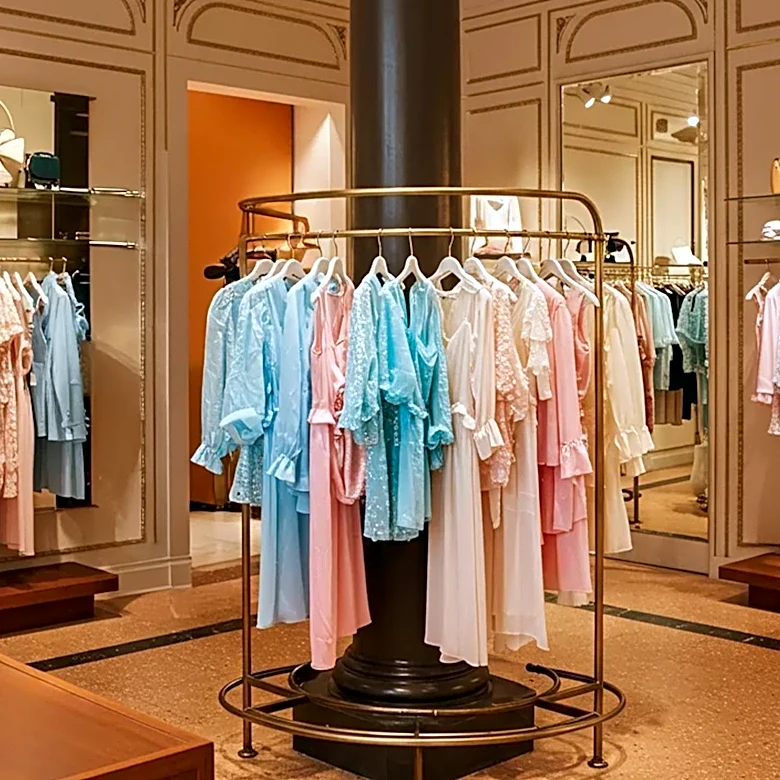
This recognition of an architect as a fashion icon underscores a growing understanding within the industry that the physical retail space is as crucial to a luxury brand's identity and consumer experience as the clothing itself. Marino's work has profoundly influenced how U.S. consumers perceive and interact with high-end fashion, transforming stores into theatrical, art-filled destinations. In an era where e-commerce often standardizes the shopping experience, Marino's designs emphasize the unique, tangible aspects of luxury retail, providing a controlled environment for brand storytelling. This award highlights the strategic importance of architectural design in the business of fashion, particularly as luxury brands navigate fluctuating sales and seek to maintain their allure.
What's Next?
Peter Marino will officially receive his award at the CFDA Fashion Awards on November 2, 2026, in New York, an event expected to draw significant attention from the fashion and design worlds. His recognition may inspire other architects and designers to further explore the intersection of architecture and fashion, potentially leading to more innovative retail spaces. The award could also prompt increased investment by luxury brands in their physical store environments, reinforcing the idea that a distinctive brick-and-mortar presence is vital for brand differentiation and customer engagement. Discussions about the evolving definition of a 'fashion icon' are also likely to continue.
Beyond the Headlines
Marino's selection as a fashion icon reflects a broader cultural shift where the 'frame' of fashion—its presentation, environment, and context—is increasingly valued alongside the 'cloth' itself. His work blurs the lines between architecture, art, and commerce, suggesting that the experience of luxury is holistic and multi-sensory. The emphasis on his personal style also highlights how individual identity and aesthetic choices can become integral to one's professional persona and influence. This award challenges traditional notions of what constitutes fashion influence, recognizing those who shape the stage upon which fashion is presented, rather than solely those who create the garments.