




What's Happening?
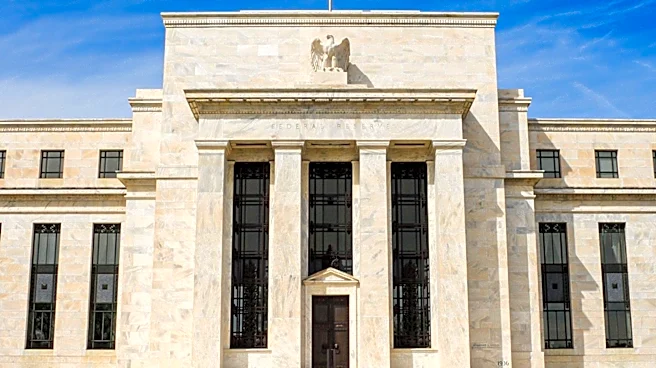
The Federal Reserve is facing a credibility challenge as markets continue to anticipate interest rate hikes despite weak payroll data. Recent reports showed a significant downside surprise in payrolls, with markets still pricing in potential rate hikes for
September and beyond. This comes after a benign Consumer Price Index (CPI) print in June and the Fed's decision not to raise rates in July. Despite these indicators, markets remain convinced that the Fed needs to hike rates to restore its credibility. The upcoming CPI release on August 12 is expected to be a critical factor in shaping market expectations.
Why It's Important?
The ongoing debate over the Federal Reserve's interest rate policy has significant implications for the U.S. economy. If the Fed raises rates, it could impact borrowing costs, consumer spending, and overall economic growth. Conversely, maintaining current rates might signal confidence in the economy's stability but could also raise concerns about inflation control. The market's insistence on rate hikes reflects broader concerns about the Fed's ability to manage economic expectations and maintain its credibility. This situation underscores the delicate balance the Fed must strike between fostering economic growth and controlling inflation.
What's Next?
The release of the July CPI data on August 12 will be a pivotal moment for the Federal Reserve and market expectations. A benign CPI print could ease pressure on the Fed to raise rates, while a higher-than-expected figure might reinforce market expectations of future hikes. The Fed's communication strategy and its ability to manage market perceptions will be crucial in the coming months. Investors and policymakers will closely monitor economic indicators and Fed statements to gauge the likely trajectory of interest rates and its impact on the economy.