





What's Happening?
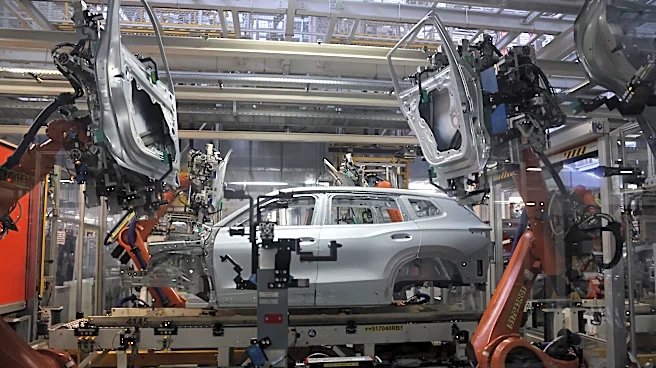
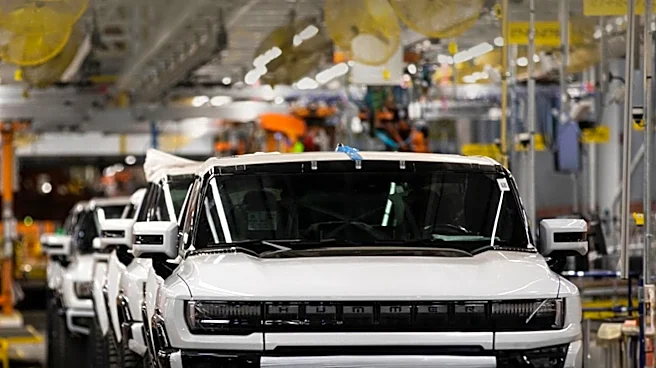
Cars.com has published its annual American-Made Index for 2026, which ranks vehicles based on their domestic manufacturing credentials. The index evaluates vehicles on criteria such as final assembly location, the percentage of U.S. and Canadian parts,
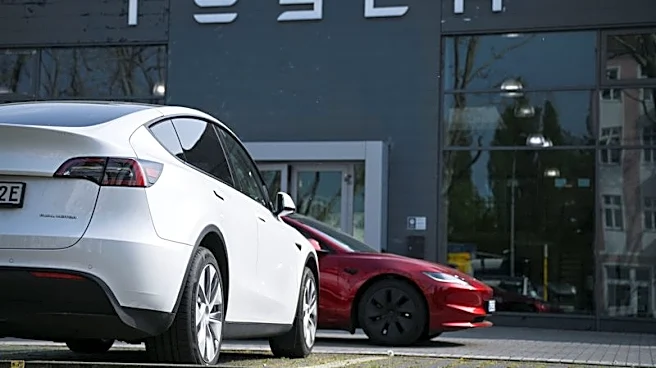
engine and transmission origin, and the U.S. manufacturing workforce. This year, 379 model-year 2026 vehicles were analyzed, resulting in a list of 86 qualifying vehicles. Notably, the number of vehicles analyzed and those qualifying for the list have decreased from the previous year. A significant factor in this reduction is the discontinuation of several electric vehicles that previously ranked high, such as Tesla's Model S and Model X, and Volkswagen's ID.4. Despite these changes, Tesla remains at the top of the list, with its vehicles assembled in Fremont, California, and Austin, Texas. The index also highlights the Jeep Grand Cherokee and Lexus TX 350, which have improved their rankings due to increased domestic parts content.
Why It's Important?
The American-Made Index is a significant indicator of the automotive industry's contribution to the U.S. economy, particularly in terms of manufacturing and employment. The index's focus on domestic parts and assembly underscores the importance of local production in supporting the U.S. manufacturing sector. The presence of Japanese automakers like Honda and Lexus in the top rankings highlights the global nature of the automotive industry and the role of foreign companies in the U.S. economy. The discontinuation of certain electric vehicles reflects broader industry trends and challenges, such as shifts in consumer demand and the evolving landscape of electric vehicle production. This index serves as a valuable tool for consumers interested in supporting domestic manufacturing and for policymakers focused on strengthening the U.S. automotive industry.
What's Next?
As the automotive industry continues to evolve, the focus on domestic manufacturing is likely to intensify, especially with increasing consumer interest in electric vehicles and sustainable practices. Automakers may need to adapt their strategies to maintain or improve their rankings in future American-Made Indexes. This could involve increasing the domestic content of their vehicles or expanding U.S. manufacturing operations. Additionally, the ongoing transition to electric vehicles presents both challenges and opportunities for the industry, as companies navigate supply chain issues and technological advancements. Policymakers may also play a role in shaping the future of the industry through incentives and regulations aimed at promoting domestic production and innovation.