





What's Happening?
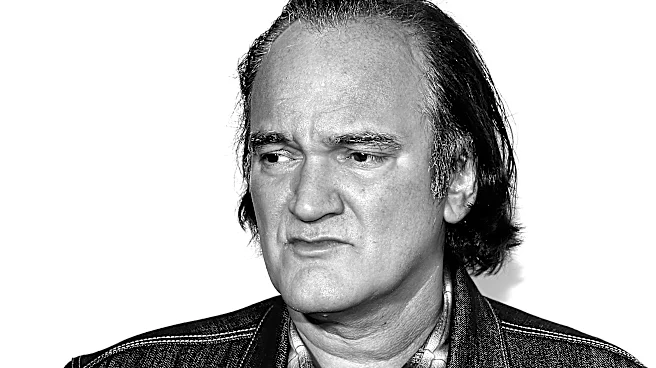
Quentin Tarantino has disclosed details regarding the initial casting decisions for his 2009 film 'Inglourious Basterds,' specifically the temporary firing of Mélanie Laurent and the permanent replacement of Isabelle Huppert. According to 'The Making
of Quentin Tarantino's Inglourious Basterds' by Jay Glennie, Laurent, who ultimately played Shosanna Dreyfus, was fired after a poor table read. She later convinced Tarantino to give her another chance, undergoing three days of rehearsal to win back her role. Isabelle Huppert was cast as Madame Ada Mimieux but was fired for not attending the table read due to contract issues. Maggie Cheung was cast as her replacement, though her scenes were eventually cut from the final film. Tarantino emphasized his strict policy regarding actor attendance at table reads, stating that he owes his film the best actors he can find and has no qualms about making quick casting changes if an actor is not right for the role or fails to meet expectations.
Why It's Important?
This revelation offers insight into Quentin Tarantino's rigorous filmmaking process and his uncompromising approach to casting, highlighting the high stakes involved for actors in his productions. It underscores the director's commitment to his artistic vision, where even established actors can be replaced if they do not align perfectly with his requirements or fail to meet crucial production milestones like table reads. For aspiring actors and industry professionals, it illustrates the intense pressure and competitive nature of securing and maintaining roles in major film productions. The story also sheds light on the often unseen complexities behind the final product, revealing how pivotal decisions and near-misses can shape a film's cast and narrative, ultimately influencing its critical and commercial reception. The book's release provides a deeper understanding of the creative challenges and decisions made during the production of a critically acclaimed film.
What's Next?
The release of 'The Making of Quentin Tarantino's Inglourious Basterds' by Jay Glennie is likely to generate further discussion among film enthusiasts and industry insiders about Tarantino's directorial methods and casting philosophy. This book, now available, offers a comprehensive look into the film's production, potentially leading to more revelations about other aspects of its creation. Future interviews with Tarantino or the cast members involved might delve deeper into these specific incidents, providing additional perspectives on the challenges and triumphs during the making of the movie. The insights from this book could also influence how other filmmakers approach casting and pre-production, emphasizing the importance of early commitment and performance from actors. The detailed account serves as a historical document for film studies, offering valuable context for understanding the evolution of a major cinematic work.
Beyond the Headlines
Beyond the immediate news of casting changes, this story highlights the power dynamics inherent in the film industry, particularly between a visionary director and actors. Tarantino's candidness about firing actors underscores a philosophy where the integrity of the film takes precedence over individual relationships or established reputations. This approach, while potentially harsh, is presented as a necessary component of his creative process, ensuring that every element aligns with his artistic vision. It also touches upon the often-unseen emotional labor involved in acting, as demonstrated by Laurent's determination to regain her role despite initial setbacks. The narrative implicitly raises questions about the balance between artistic uncompromisingness and professional courtesy in high-pressure creative environments, offering a glimpse into the demanding realities of Hollywood filmmaking where talent, resilience, and alignment with a director's vision are paramount.