




What's Happening?
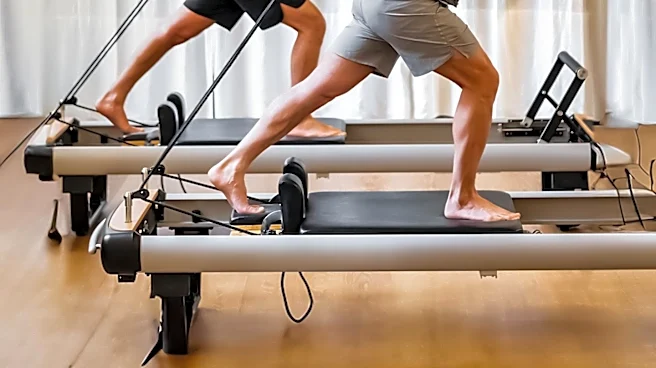
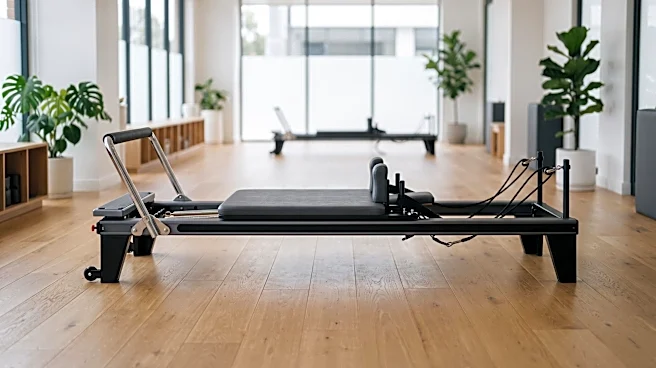
Reformer Pilates is a method of exercise utilizing a specialized machine with a sliding carriage, springs for resistance, a foot bar, and straps for limbs. Developed by Joseph Pilates in the 1920s, it aims to build strength, improve core stability, enhance
posture, and increase mobility with low impact, making it suitable for all fitness levels. The practice emphasizes core strength, balance, and mindful movement. Classes are typically conducted in small groups, allowing for individualized instruction and modifications to suit participants' abilities. The equipment, known as a reformer, is distinct from simpler, foldable plastic boards often marketed under the same name. These foldable boards, while useful for home functional training, lack the sliding carriage and spring resistance system of a true reformer, which is designed for the specific exercises of the Pilates method.
Why It's Important?
The distinction between a true Pilates reformer and a foldable exercise board is crucial for consumers seeking specific fitness outcomes. Mislabeling can lead to incorrect expectations and potentially ineffective training for those aiming to practice authentic Reformer Pilates. Understanding the equipment's design and function ensures that individuals invest in the appropriate tools for their fitness goals, whether it's serious Pilates practice or general home fitness. For the fitness industry, clear differentiation helps maintain the integrity of the Pilates method and ensures that studios and instructors can provide the intended experience. This clarity also impacts manufacturers and retailers, guiding them in accurate product descriptions and marketing to avoid consumer confusion and dissatisfaction.
What's Next?
As the popularity of home fitness continues to grow, consumers will likely encounter a wider range of equipment marketed for Pilates. It is anticipated that there will be an ongoing need for clear educational content to help differentiate between professional-grade reformers and more basic home exercise tools. Fitness professionals and studios may increasingly emphasize the unique benefits of authentic Reformer Pilates to attract clients seeking specialized training. Manufacturers of Pilates equipment may also need to refine their product descriptions to avoid ambiguity, potentially leading to clearer product categories and branding. Consumers are encouraged to research thoroughly and, if possible, experience Reformer Pilates in a studio setting before purchasing equipment for home use to ensure it aligns with their expectations.
Beyond the Headlines
The confusion surrounding 'reformer' terminology highlights a broader issue in the fitness equipment market where product names can be misleading. This can lead to consumer frustration and a devaluation of specialized fitness modalities. Ethically, it raises questions about marketing practices and the responsibility of sellers to accurately represent their products. Legally, such misrepresentation could potentially lead to consumer protection issues if products do not meet implied fitness claims. Culturally, the trend reflects a desire for accessible home fitness solutions, but also underscores the importance of understanding the nuances of different exercise methods to achieve desired health and wellness outcomes. This situation encourages a more informed approach to fitness purchases, emphasizing education over marketing hype.