





What's Happening?
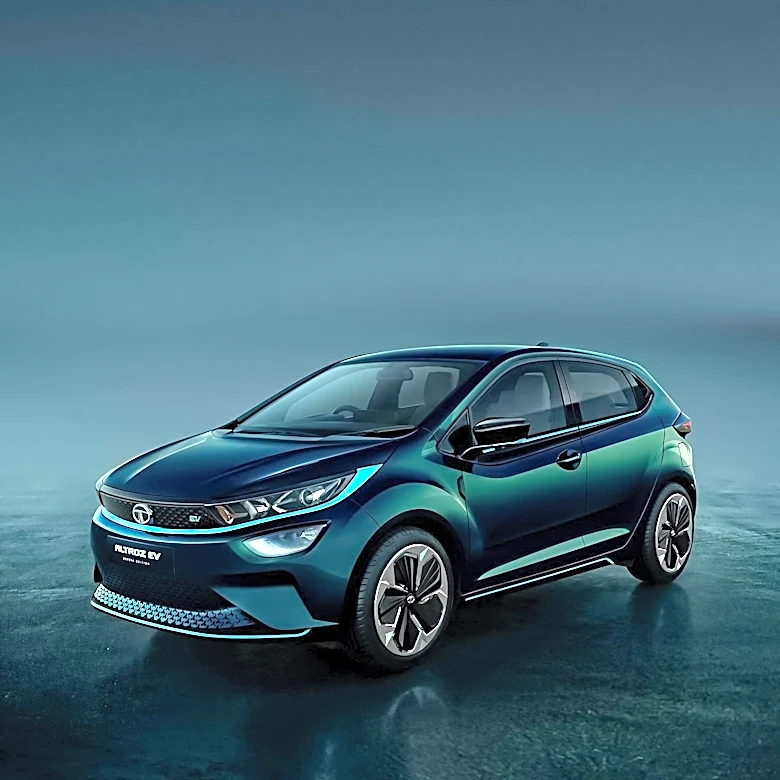
Saudi Arabia has unveiled its first electric vehicles (EVs) under the brand Ceer, a joint venture between the country's sovereign Public Investment Fund and Taiwanese electronics manufacturer Foxconn. The new luxury sedan and SUV models, dubbed Exobot,
are priced around $107,000 and are part of Crown Prince Mohammed bin Salman's Vision 2030 plan to diversify the Saudi economy away from its reliance on oil. The vehicles emphasize high-end luxury and advanced technology, featuring elements like gull-wing doors, a 94.5-inch windshield, and a flight yoke instead of a steering wheel. Ceer aims to produce seven models by the end of the decade, including hybrid and combustion engines, with a goal of localizing almost half of its components by 2034. This initiative is projected to attract $150 million in foreign direct investment, create up to 30,000 jobs, and contribute $8 billion to Saudi Arabia's GDP by 2034.
Why It's Important?
This move by Saudi Arabia signifies a strategic pivot towards advanced manufacturing and technology, aiming to establish the kingdom as a significant player in the global EV market. For the U.S. and global automotive industry, the emergence of Ceer introduces a new competitor in the luxury EV segment, traditionally dominated by established brands. While Saudi Arabia's domestic EV market is currently small, its substantial financial backing and ambitious production targets could disrupt existing market dynamics, particularly in the Middle East. The emphasis on luxury and cutting-edge technology also reflects a broader trend in the EV sector, where manufacturers are increasingly targeting affluent consumers with premium offerings. This initiative could also foster new partnerships and supply chain opportunities for international companies involved in EV components and infrastructure, as Saudi Arabia plans to significantly expand its charging station network.
What's Next?
Ceer faces the challenge of competing in a market increasingly dominated by Chinese EV manufacturers, which offer more affordable options and have a strong presence in the Middle East. Despite the high price point of the Exobot models, Ceer's strategy is to target high-income consumers, with the hope that demand will eventually trickle down to middle-income segments. The Saudi government is actively supporting this venture by investing in charging infrastructure, aiming to increase the number of charging stations from a few hundred to 5,000 by 2030. With a projected manufacturing capacity of 240,000 cars per year, Ceer will need to expand beyond the domestic market, with expectations to sell 50,000 to 70,000 cars regionally to be considered a success. The long-term success of Ceer will depend on its ability to establish a strong brand identity and effectively compete against both established luxury brands and aggressive Chinese entrants.
Beyond the Headlines
The launch of Ceer represents more than just an automotive venture; it is a critical component of Saudi Arabia's broader Vision 2030, which seeks to transform the kingdom into a diversified, knowledge-based economy. This initiative highlights the ethical and economic complexities of an oil-rich nation transitioning to green technologies, as it simultaneously aims to reduce its carbon footprint while leveraging its vast financial resources. The focus on 'Saudi DNA' in the car's design, from architectural cues to color palettes, also reflects a cultural dimension, aiming to instill national pride and identity into a global product. This strategic shift could have long-term geopolitical implications, as Saudi Arabia seeks to reduce its economic vulnerability to fluctuating oil prices and assert itself as a leader in future industries, potentially influencing regional technological development and trade relationships.