







What's Happening?
Euphoria is often misunderstood as a synonym for happiness, but it encompasses deeper psychological and biological layers. The American Psychological Association defines it as an exaggerated feeling of well-being, often disproportionate to the cause.
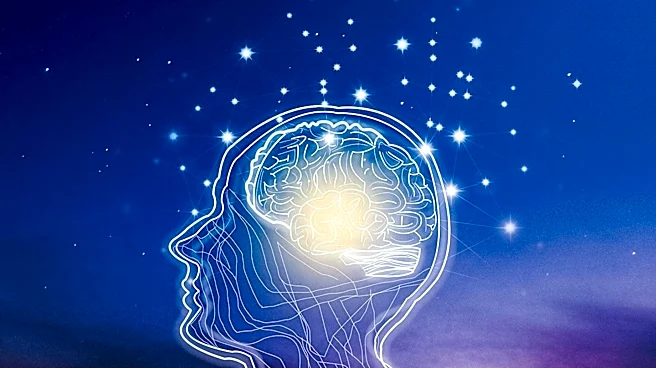
Euphoria can be triggered naturally through exercise, music, and social bonding, or it can be a symptom of neurological or psychiatric conditions. The neuroscience behind euphoria involves a chemical symphony in the brain, with endorphins and dopamine playing key roles. While euphoria can be a healthy reward signal, it also has a shadow side, particularly when induced by substances or associated with mania in bipolar disorder.
Why It's Important?
Understanding euphoria is crucial for mental health and well-being. Recognizing the difference between natural and artificially induced euphoria can help individuals make healthier choices and avoid the pitfalls of substance abuse. In therapy, safe euphoric experiences can be used to counteract anhedonia in depression, providing a gateway back to emotional range. However, unregulated euphoria can lead to impulsivity and risky behavior. This dual nature of euphoria highlights the importance of balance and emotional regulation in mental health practices.
Beyond the Headlines
Euphoria's portrayal in literature and pop culture often shapes public perception, sometimes emphasizing its destructive potential. However, euphoria also represents the peak of human potential and creativity. In spiritual contexts, it is seen as a glimpse of one's true nature. Understanding these diverse perspectives can help individuals appreciate euphoria as a natural human capacity that can be nurtured through healthy practices. This broader understanding can lead to more informed discussions about mental health and the role of euphoria in personal growth.