




What's Happening?
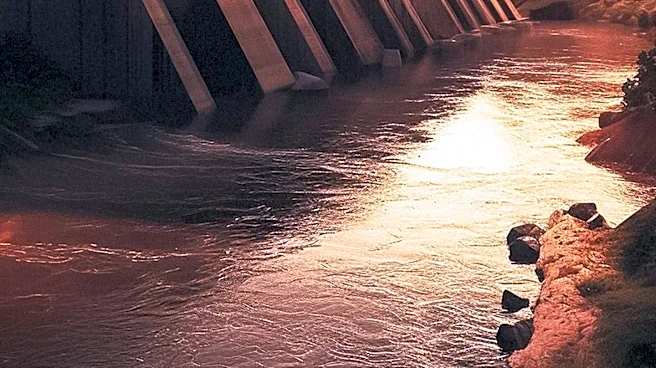
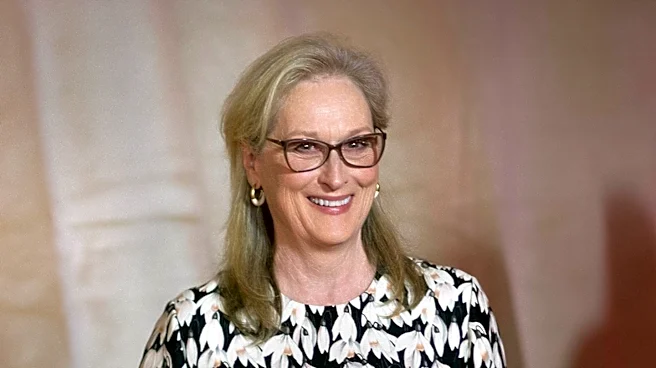
During the production of the 1994 action film 'The River Wild,' acclaimed actress Meryl Streep experienced a dangerous incident where she nearly drowned in Montana's Kootenai River. Despite the inherent risks of the action-thriller, Streep insisted on performing
a significant portion of her own stunts. The film, directed by Curtis Hanson, features Streep as a mother embarking on a rafting adventure with her children and husband. To prepare for the role, Streep underwent four months of whitewater rafting training. However, the challenging conditions of the Kootenai River proved perilous, leading to the near-drowning event. Streep later recounted feeling terrified throughout the entire filming process, experiencing trembling legs and a racing heart after being pulled from the strong currents. The incident highlights the physical demands and potential dangers faced by actors who choose to perform their own stunts in challenging environments.
Why It's Important?
This incident underscores the often-unseen risks involved in film production, particularly for actors performing their own stunts. While Meryl Streep's dedication to her craft is commendable, her near-drowning experience serves as a stark reminder of the fine line between cinematic authenticity and personal safety. For the U.S. film industry, such events can prompt re-evaluations of safety protocols and the extent to which actors are permitted or encouraged to undertake dangerous sequences. It also brings to light the pressure on actors to deliver realistic performances, sometimes at significant personal cost. The incident could influence future discussions regarding stunt coordination, insurance liabilities, and the ethical responsibilities of production companies to ensure the well-being of their cast and crew, potentially leading to stricter guidelines for on-set safety, especially in high-risk environments like whitewater rapids.
What's Next?
While this event occurred in the past, its implications continue to resonate within the film industry. The ongoing conversation about actor safety and the use of stunt doubles versus actors performing their own stunts is likely to persist. Future productions involving challenging physical feats will undoubtedly face scrutiny regarding their safety measures. This incident may also serve as a case study in film schools and production safety courses, emphasizing the importance of rigorous risk assessment and contingency planning. For actors, the choice to perform their own stunts remains a personal one, but the industry will likely continue to balance artistic integrity with paramount safety concerns, potentially leading to more robust safety regulations and increased use of advanced technologies to mitigate risks in complex action sequences.
Beyond the Headlines
The near-drowning of Meryl Streep in 'The River Wild' touches upon broader themes of artistic commitment and the human element in filmmaking. It highlights the dedication actors bring to their roles, often pushing physical and emotional boundaries to achieve authenticity. This incident also raises questions about the perception of danger in entertainment; while audiences enjoy thrilling action sequences, the real-world risks to those creating them are often overlooked. Ethically, it prompts a discussion on the responsibility of directors and producers to protect their talent, even when actors themselves are eager to take risks. Culturally, it reinforces the narrative of the 'dedicated artist' but also serves as a cautionary tale about the potential consequences of such dedication, influencing how future generations of filmmakers and actors approach the balance between realism and safety.