

What's Happening?
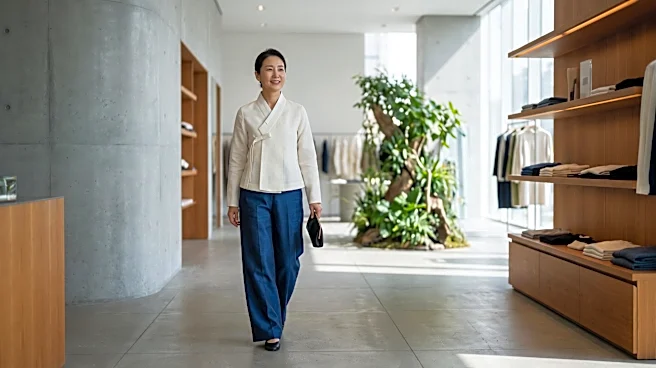
Zara, the flagship brand of retail giant Inditex, has opened a new large-scale flagship store in the Gangnam district of Seoul, South Korea. This new location, spanning over 2,100 square meters across three floors, aims to strengthen Zara's presence in the South Korean
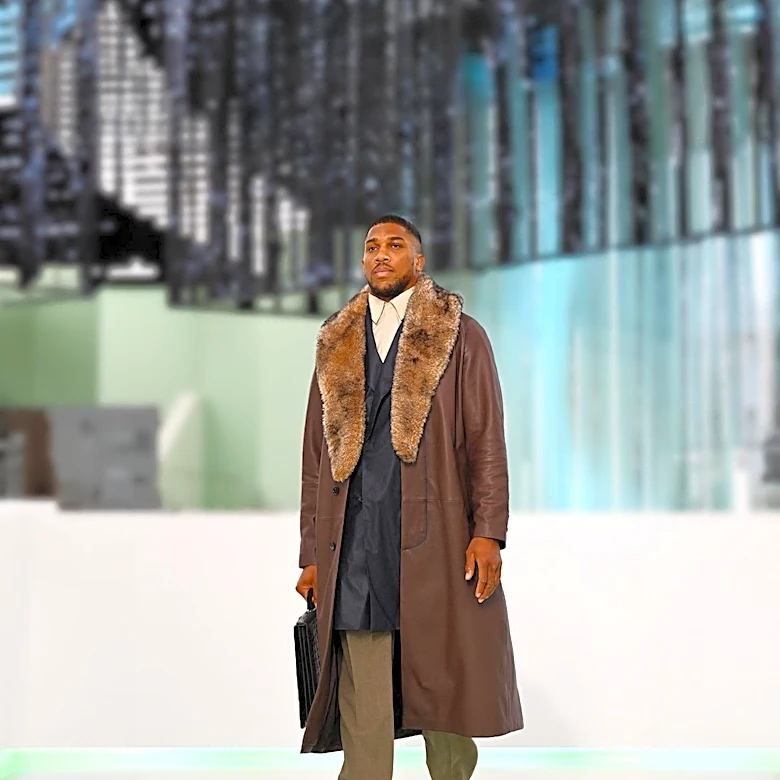
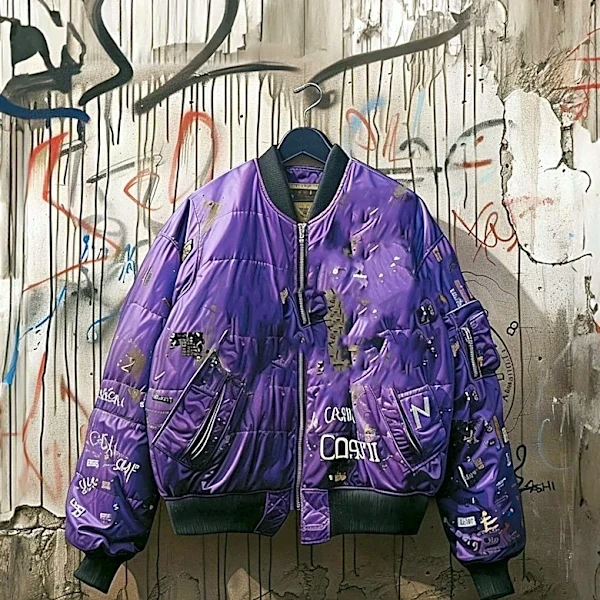
market. The store integrates fashion, architecture, art, and technology, featuring a design by Zara’s in-house architecture team that blends contemporary aesthetics with Korean cultural identity. It offers womenswear and menswear collections, exclusive services, and a new Zacaffè space. The interior design incorporates stone, wood, concrete, and metal, utilizing natural light and sculptural forms. Notable artistic elements include 'Imugi,' a large-scale installation inspired by Korean mythology, and a botanical installation by Haiihwa, alongside works by Korean artists Rim Seoyoon and Park Sungwook. An exclusive capsule collection, reinterpreting the hanbok for women and exploring local streetwear for men, is also available.
Why It's Important?
This expansion signifies Zara's strategic focus on key international markets, particularly in Asia, where fashion trends and consumer spending power are rapidly evolving. By establishing a prominent flagship in a major commercial hub like Seoul's Gangnam district, Zara aims to capture a larger share of the South Korean retail market and enhance its brand image as a purveyor of accessible yet high-fashion apparel. The integration of local cultural elements, such as the hanbok-inspired collection and Korean art installations, demonstrates a localized marketing approach that can resonate with consumers and differentiate Zara from competitors. This move could influence other global fashion retailers to adopt similar strategies of cultural integration and experiential retail to attract and retain customers in diverse international markets.
What's Next?
Zara is likely to monitor the performance of its new Seoul flagship to inform future expansion and localization strategies in other international markets. The success of the exclusive capsule collection and the Zacaffè space could lead to similar bespoke offerings in other regions. The brand may continue to invest in experiential retail concepts that combine fashion with art and technology to create unique shopping experiences. Competitors in the fast-fashion and luxury segments will likely observe Zara's approach to cultural integration and store design, potentially leading to a broader trend of localized product development and retail environments in the global fashion industry.
Beyond the Headlines
The opening of Zara's Seoul flagship highlights a broader trend in global retail where brands are moving beyond mere product sales to offer immersive cultural and lifestyle experiences. By incorporating local art and reinterpreting traditional attire, Zara is engaging with the cultural identity of its target market, which can foster deeper brand loyalty and overcome potential criticisms of cultural appropriation often faced by global brands. This strategy also reflects the increasing importance of physical retail spaces as brand showcases and experiential hubs, even in an era dominated by e-commerce. The blend of fashion, architecture, art, and technology in the store design suggests a future where retail environments are designed to be destinations that offer more than just shopping, contributing to the cultural landscape of urban centers.