







What's Happening?
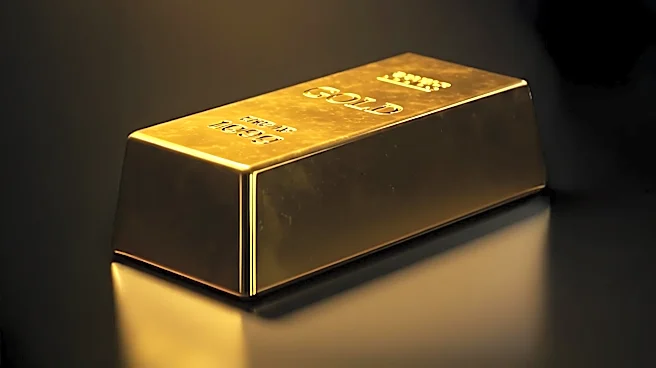
Goldman Sachs has forecasted a rise in gold prices to $4,900 by the end of 2026, despite recent declines. The prediction is based on structural factors such as central bank diversification and cyclical factors that may reverse current headwinds. The World
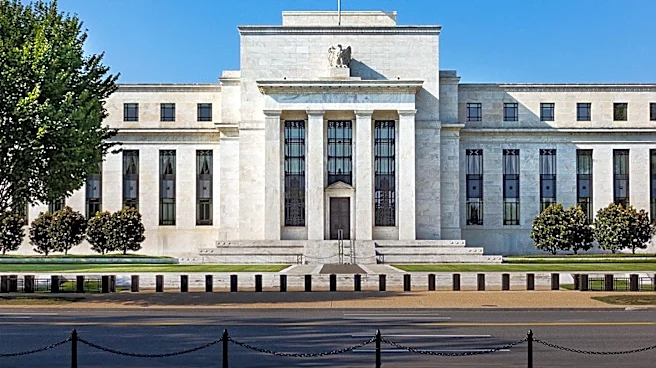
Gold Council survey indicates that 45% of central banks plan to increase gold reserves, supporting long-term price growth. However, near-term challenges include a hawkish Federal Reserve and inflation concerns, which have led to a 24% drop in gold prices since February.
Why It's Important?
Gold's performance is a critical indicator of economic stability and investor sentiment. The forecasted rise in gold prices suggests confidence in its long-term value as a hedge against inflation and economic uncertainty. Central banks' increased gold reserves highlight a strategic shift towards asset diversification, which could stabilize markets. However, the current decline reflects immediate economic pressures, such as interest rate hikes, that could impact investment strategies and economic growth.
What's Next?
Investors will watch for changes in Federal Reserve policies and inflation trends, as these will influence gold's attractiveness compared to yield-bearing assets. The potential for central banks to continue increasing gold reserves could support price recovery. Additionally, geopolitical developments, particularly in the Middle East, will be crucial in shaping market dynamics and investor confidence in gold as a safe-haven asset.