






What's Happening?
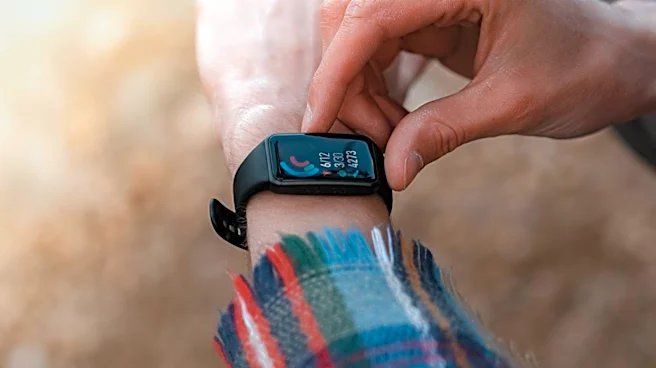
The Fitbit Luxe, while no longer sold directly by Google's Fitbit store, remains available on second-hand markets and through third-party sellers. It is recognized for its advanced sleep tracking capabilities, which include optical heart rate monitoring,
SpO2 sensing, and skin temperature variation. These features provide detailed sleep data, such as sleep stages (light, deep, REM), a sleep score out of 100, and nightly trends. The device also incorporates menstrual cycle tracking for women, allowing users to log symptoms and connect cycle data to their sleep and activity trends. Despite its discontinuation from official sales channels, the Luxe is still considered a viable option for those prioritizing aesthetics and comprehensive health tracking at a lower price point, often found for $80-100. Its lightweight design, at 23.5 grams, contributes to consistent sleep tracking by being comfortable to wear overnight.
Why It's Important?
The continued availability and functionality of devices like the Fitbit Luxe highlight a significant trend in the wearable technology market: the longevity and value retention of older models, especially those with specialized features. For consumers, this means access to advanced health tracking technologies at a more affordable price, democratizing access to personal health data. The integration of menstrual cycle tracking with sleep and activity data is particularly important for women's health, offering a holistic view that can help users understand their bodies better and make informed lifestyle choices. This feature goes beyond basic fitness tracking, providing actionable insights that can influence daily routines and overall well-being. The emphasis on detailed sleep metrics also underscores a growing public awareness of sleep's critical role in health, driving demand for devices that offer more than just basic sleep duration monitoring.
What's Next?
As the Fitbit Luxe continues to circulate in secondary markets, its future impact will likely be on consumer expectations for health trackers. The comprehensive sleep and menstrual cycle tracking features, once premium offerings, may become standard in more affordable devices. This could push manufacturers to innovate further, integrating even more sophisticated health monitoring capabilities into their products. For current and future users of the Luxe, understanding how to interpret the detailed data, such as sleep stages and trends, will be crucial for maximizing the device's benefits. The availability of guides on Fitbit's HRV tracking and sleep analysis suggests a growing need for educational resources to help users translate raw data into actionable health insights. The market for refurbished and second-hand wearables is also likely to expand, offering more choices for budget-conscious consumers seeking advanced features.
Beyond the Headlines
The enduring appeal of the Fitbit Luxe, even after its official discontinuation, points to a broader cultural shift towards personalized health management and self-monitoring. The device's ability to track intricate details like skin temperature variation and SpO2 levels reflects a move beyond simple step counting to a more nuanced understanding of physiological states. The integration of menstrual cycle tracking exemplifies how technology is increasingly catering to specific demographic health needs, moving away from a one-size-fits-all approach. This trend raises ethical considerations regarding data privacy and security, especially with sensitive health information. As more personal health data is collected and analyzed, the responsibility of companies to protect this information becomes paramount. Furthermore, the reliance on such devices for health insights could lead to a greater emphasis on preventative care and personalized medicine, potentially transforming how individuals interact with their healthcare providers.