



What's Happening?
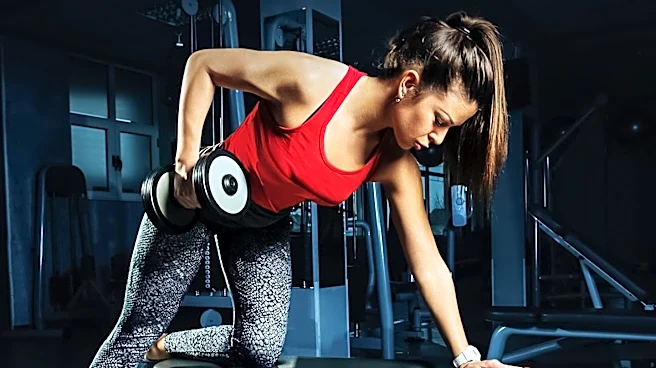
Post-menopausal standing routines are being recommended to focus on comprehensive full-body workouts, incorporating foundational movements such as goblet squats and dumbbell Romanian deadlifts. These exercises are designed to strengthen key muscle groups
vital for daily activities like standing, climbing stairs, and rising from a seated position. The routines advocate for the use of basic equipment, including dumbbells, exercise mats, and sturdy chairs or benches for modifications, making them accessible without extensive gym memberships. Emphasis is placed on strength training to counteract age-related muscle and bone density loss, which is particularly critical for women after menopause. Consistency in these routines, along with short activity breaks throughout the day and a diet rich in protein, is highlighted as essential for muscle maintenance and overall health, according to the sources.
Why It's Important?
Maintaining muscle mass and bone health is crucial for post-menopausal women due to hormonal changes, particularly declining estrogen levels, which can lead to increased risk of osteoporosis and reduced physical function. These standing routines directly address these concerns by promoting resistance training, which stimulates bone-building activity and preserves muscle. Strong muscles are fundamental for independent living, enabling activities such as carrying groceries, maintaining balance, and preventing falls. The focus on accessible, equipment-light workouts means more women can integrate these vital exercises into their lives, potentially reducing healthcare burdens associated with age-related physical decline and improving overall quality of life. Furthermore, strength training contributes to better metabolic health and can help manage body composition changes often experienced during menopause.
What's Next?
Individuals are encouraged to integrate these full-body standing routines into their weekly schedules, ideally two to three times a week, allowing for recovery days. Starting with lighter weights or bodyweight variations and gradually increasing resistance is key to safe and effective progression. For those with pre-existing conditions like osteopenia or joint pain, consulting a healthcare professional before starting is advised, with modifications available to accommodate various physical limitations. Continued research and awareness campaigns are expected to further refine and promote these accessible strength training methods, potentially leading to broader adoption and improved long-term health outcomes for post-menopausal women. The integration of protein-rich nutrition and adequate sleep will remain critical alongside these physical routines.
Beyond the Headlines
The emphasis on accessible, foundational strength training for post-menopausal women signifies a broader shift in understanding women's health beyond traditional cardio-focused approaches. This highlights the importance of functional fitness that directly impacts daily living and long-term independence, rather than solely focusing on aesthetic outcomes. It also underscores a proactive approach to aging, where physical activity is viewed as a preventative measure against common age-related ailments. The recommendation for basic equipment and home-based modifications democratizes access to vital health interventions, potentially reducing disparities in health outcomes. This approach also challenges societal perceptions of aging, promoting an active and empowered lifestyle for women in their later years, fostering a sense of capability and confidence.