





What's Happening?
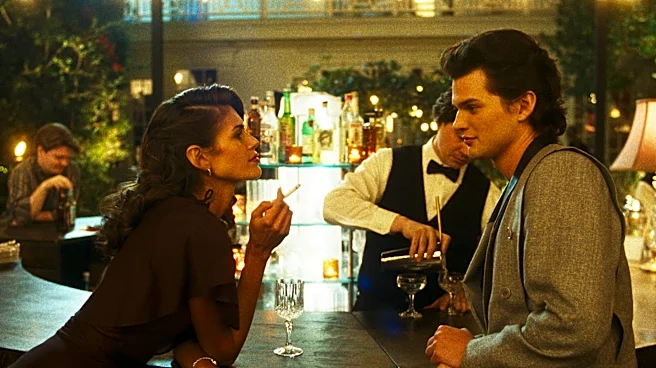
Two new television series, 'The Shards' on FX and 'Sterling Point' on Prime Video, present contrasting coming-of-age stories. 'The Shards,' based on Bret Easton Ellis's 2023 novel, is set in 1981 Los Angeles and combines a rich-kids drama with elements
of serial murder. Co-created by Ryan Murphy, the series explores themes of decadence and youth through the eyes of a high school student. In contrast, 'Sterling Point,' created by Megan Park, is set in Canada and unfolds like an indie film, focusing on personal growth and discovery without the sensational elements of 'The Shards.' Both series delve into the complexities of adolescence, albeit through different stylistic and thematic lenses.
Why It's Important?
These series highlight the diverse ways in which television can explore the universal theme of coming-of-age. 'The Shards' offers a dramatic and sensationalized portrayal, appealing to audiences interested in intense narratives and complex character dynamics. Meanwhile, 'Sterling Point' provides a more subdued and introspective look at adolescence, resonating with viewers who appreciate character-driven storytelling. The contrasting styles of these series reflect the broad spectrum of experiences and emotions associated with growing up, offering audiences varied perspectives on a pivotal life stage. This diversity in storytelling enriches the television landscape, catering to different tastes and preferences.
Beyond the Headlines
The release of these series underscores the ongoing interest in coming-of-age narratives, which continue to captivate audiences due to their relatability and emotional depth. 'The Shards' and 'Sterling Point' also highlight the role of setting and cultural context in shaping these stories, with each series drawing on its unique backdrop to enhance the narrative. Additionally, the involvement of notable creators like Ryan Murphy and Megan Park emphasizes the importance of creative vision in bringing such stories to life. As these series gain viewership, they may influence future productions, encouraging more diverse and innovative approaches to storytelling in television.