





What's Happening?
Corn growers across the United States are calling on the Department of Justice (DOJ) to expedite an investigation into the fertilizer industry, citing 'impossibly high input costs' that threaten the agricultural economy. A letter from 17 grower associations,
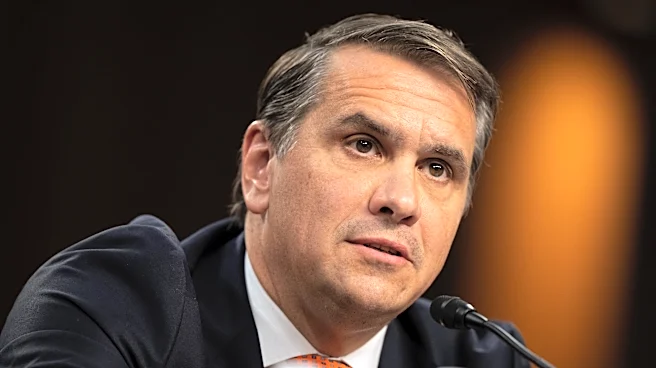
including the Iowa Corn Growers Association, was sent to Senate Judiciary Committee leaders, urging them to question Acting Attorney General Todd Blanche about enforcing antitrust laws. The growers argue that high fertilizer prices have been exacerbated by recent geopolitical events and a lack of enforcement of antitrust laws. The DOJ and Federal Trade Commission are already investigating potential collusion among major fertilizer companies. The growers support President Trump's temporary suspension of countervailing duties on Moroccan phosphate imports, which is expected to lower costs.
Why It's Important?
The high cost of fertilizers is a significant concern for American farmers, impacting their profitability and the broader agricultural economy. The growers' call for a DOJ investigation highlights the potential anticompetitive practices within the fertilizer industry, which could be contributing to inflated prices. The outcome of this investigation could lead to regulatory changes that promote fair competition and lower costs for farmers. Additionally, the temporary suspension of duties on Moroccan phosphate is expected to provide some relief, potentially saving U.S. farmers billions annually. This situation underscores the importance of regulatory oversight in maintaining fair market conditions and supporting the agricultural sector.
What's Next?
The DOJ's ongoing investigation into the fertilizer industry will continue, with potential findings and recommendations expected in the coming months. The temporary suspension of duties on Moroccan phosphate will last for eight months, during which time the impact on fertilizer prices will be closely monitored. The agricultural community will likely continue to advocate for further regulatory actions to ensure fair pricing. The outcome of these efforts could influence future policy decisions regarding trade and antitrust enforcement in the agricultural sector.