






What's Happening?
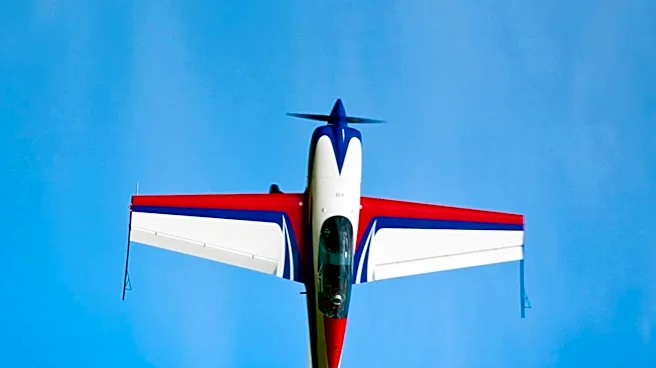
The Reno Air Races, a prominent event in aviation for 59 years, held its final competition at Stead Field in Reno, Nevada, in September 2023. The decision to cease operations at this location was made by the Reno Tahoe Airport Authority, citing significant
regional growth and encroaching development around the airfield. The races, known for their unique format of highly modified piston-engined aircraft flying at high speeds at low altitudes, have since relocated to the Roswell Air Center in New Mexico. The Unlimited class, a highlight of the event featuring aircraft like modified P-51s and Sea Furies, initially withdrew from the first Roswell event in 2025 due to safety, operational, and sustainability concerns, but is scheduled to return in 2026. The final Reno event in 2023 was cut short by two hours following a fatal collision between two T-6 aircraft during maneuvering, resulting in the deaths of pilots Nick Macy and Chris Rushing, though no spectators were harmed. This incident underscored the inherent risks of the sport, which has seen numerous fatalities over its history.
Why It's Important?
The conclusion of the Reno Air Races at Stead Field marks the end of an era for a unique form of aviation competition that pushed the limits of vintage aircraft. The relocation to Roswell, New Mexico, signifies a shift in the landscape of air racing, potentially impacting its accessibility and traditional fan base. The event's history is intertwined with significant safety concerns, including the 2011 crash that killed 11 people and injured 69, and the more recent 2023 fatalities. These incidents highlight the ongoing tension between the desire to witness powerful, historic aircraft flown at their maximum capabilities and the imperative for spectator and pilot safety. The move to a new, presumably less developed location, might offer more space for safety buffers, but the core challenge of racing eighty-year-old airframes at extreme speeds remains. The absence of the Unlimited class in the initial Roswell event also points to the financial and logistical hurdles faced by participants in maintaining and racing these specialized machines.
What's Next?
The Reno Air Races are set to continue at the Roswell Air Center in New Mexico, with the Unlimited class expected to rejoin the competition in September 2026. This move will test the event's ability to retain its appeal and draw participants and spectators to a new venue. The Reno Air Racing Association (RARA) will need to address the operational and sustainability concerns that led to the Unlimited class's temporary withdrawal. Future events will likely be under increased scrutiny regarding safety protocols, especially given the history of accidents. The long-term viability of this type of air racing, which involves pushing vintage aircraft to their limits, will depend on balancing the thrill of competition with evolving safety standards and the financial commitment required from participants and organizers. The success of the Roswell events will determine if the spirit of the Reno Air Races can thrive in a new environment.
Beyond the Headlines
The story of the Reno Air Races extends beyond mere competition; it represents a cultural intersection of aviation history, engineering prowess, and the human desire for speed and spectacle. The races were the last venue where World War II-era piston aircraft, particularly those with Merlin engines, were flown at full military power, offering a rare auditory and visual experience. This aspect raises questions about the preservation of aviation heritage and the ethical considerations of pushing historical machines to their breaking point. The constant struggle to make the sport safer without fundamentally altering its essence reflects a broader societal debate about risk, entertainment, and technological limits. The encroachment of urban development on airfields, as seen in Reno, is a growing challenge for many aviation activities, forcing them to adapt or disappear. The legacy of the Reno Air Races will likely be remembered for its thrilling performances, tragic accidents, and the enduring question of whether the cost of such extreme sport is ultimately justifiable.