




What's Happening?
Xavier Newswire has reported on a growing trend towards 'impersonal style' in modern fashion, characterized by a shift towards sleek, monotone, and neutral palettes. According to the article, personal style is diminishing as clothing choices become increasingly
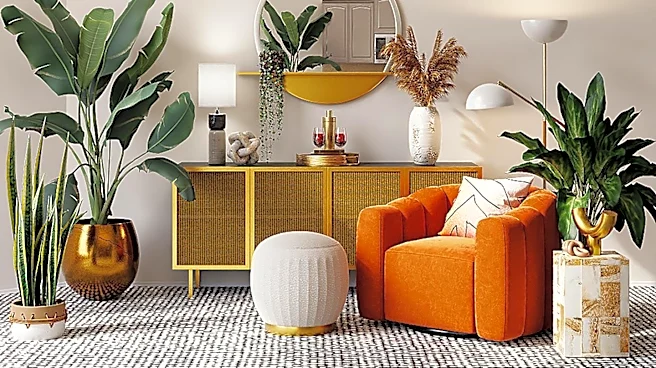
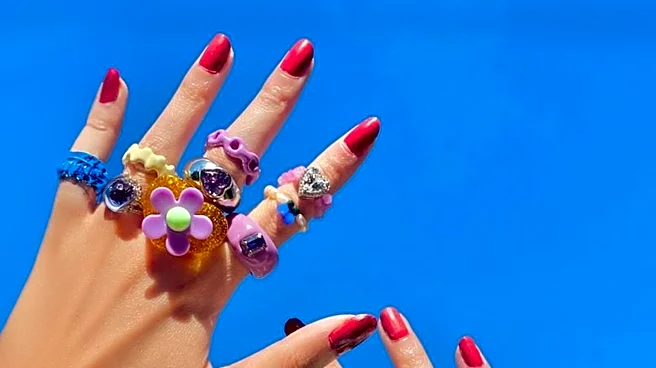
influenced by mainstream trends and fast fashion, often prioritizing conformity over originality. The report notes that intricacy, patterns, detailed accessories, and color are becoming rarer in wardrobes, with many adopting a 'sad beige mom' aesthetic that favors lifeless neutrals. This trend is not limited to clothing but is also observed in other areas, such as car designs, which are becoming more monotone. The article attributes this shift to the pervasive influence of social media and algorithms that push trends and encourage conformity.
Why It's Important?
This trend towards 'impersonal style' has significant implications for the U.S. fashion industry and consumer culture. It suggests a potential homogenization of aesthetic preferences, which could stifle creativity and diversity in design. For businesses, this might lead to a focus on mass-produced, generic items, potentially impacting smaller designers and brands that thrive on unique expressions. Consumers, particularly younger generations influenced by social media, may find themselves in an 'echo chamber' of style, limiting their exploration of personal identity through fashion. This shift could also affect the perceived value of clothing, moving towards disposability rather than investment in unique, long-lasting pieces, further fueling the fast fashion cycle.
What's Next?
The article suggests that challenging social media standards and encouraging individuality could be a path to reversing the trend of impersonal style. This implies a potential future where consumers and designers actively seek to break away from mainstream conformity, fostering a resurgence of diverse and original fashion expressions. Educational institutions and independent creators might play a crucial role in promoting creativity and personal style. However, as long as social media algorithms continue to dictate trends and convenience remains a priority, the 'impersonal style' could persist. The future of U.S. fashion may depend on a conscious effort from both industry stakeholders and consumers to prioritize originality and personal expression over mass-produced uniformity.
Beyond the Headlines
The phenomenon of 'impersonal style' extends beyond fashion, reflecting a broader societal inclination towards curated blandness and conformity, often driven by the desire for perceived perfection on social media. This trend raises questions about the impact of digital platforms on individual identity and self-expression. The article highlights how algorithms and the constant exposure to 'what everyone else is wearing' can diminish the space for genuine creativity and personal exploration. This could have deeper psychological implications, as individuals may feel pressured to conform, potentially leading to a loss of unique identity. The challenge lies in fostering environments, both online and offline, that celebrate imperfection and originality, allowing for a more authentic and diverse cultural landscape.