





What's Happening?
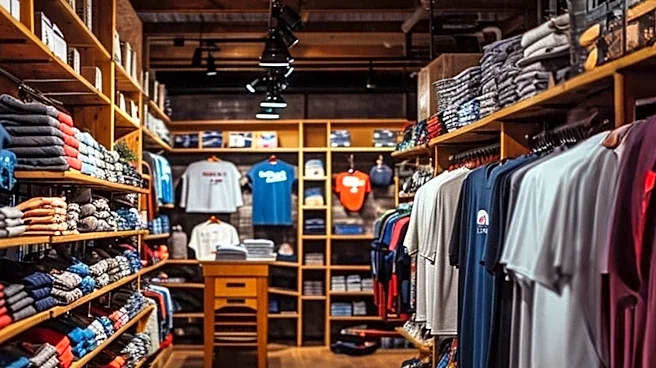
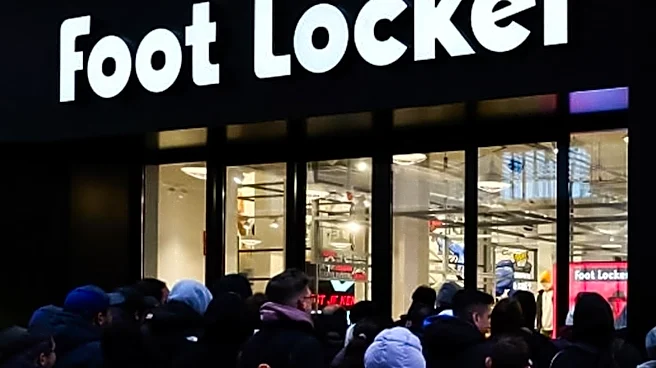
Foot Locker, a prominent retailer of athletic shoes and apparel, is currently navigating a period of considerable difficulty. The company, which has historically dominated the North American multi-shop shoe market with exclusive brand releases and a robust
offline network, has seen its stock price at $24.01 with a market capitalization of $2.29 billion. Challenges include widespread supply chain instability and a failure to accurately forecast demand, leading to an accumulation of excess inventory and a continuous decline in sales. Furthermore, the company is grappling with high oil prices, geopolitical risks, and weakened consumer spending in European and Middle Eastern markets. High import tariffs in Asian supply chains are also contributing to Foot Locker's beleaguered financial state. The company's traditional strength, its new product launch lineup, has experienced a severe slump, with a significant reduction in major new releases during the second quarter and a complete disappearance of the 'new product premium' as consumer interest waned. This has led to a disastrous report card, causing concern among investors.
Why It's Important?
The struggles of Foot Locker are significant for the U.S. retail sector, particularly within the athletic footwear and apparel market. As a long-standing 'sneaker holy place' for American teenagers and sneakerheads, Foot Locker's downturn reflects broader shifts in consumer behavior and market dynamics. The company's difficulties highlight the vulnerability of traditional retail models to supply chain disruptions and the increasing competition from direct-to-consumer (DTC) strategies employed by major sports brands like Nike, On Running, Under Armour, and Columbia. These brands are engaging in aggressive discount offensives on their own online platforms, forcing multi-shops like Foot Locker into price wars to maintain competitiveness. This trend impacts not only Foot Locker but also other retailers in the segment, potentially leading to reduced profit margins across the industry. The situation also underscores the economic impact of global factors such as high oil prices, geopolitical instability, and international trade tariffs on domestic businesses, affecting their operational costs and consumer demand.
What's Next?
Foot Locker's immediate future will likely involve strategic adjustments to address its inventory issues and declining sales. The company may need to re-evaluate its product acquisition and pricing strategies to better compete with direct-to-consumer models from major brands. There could be further efforts to optimize its store footprint and enhance its omni-channel capabilities, which currently include services like order-in-store and buy online, pickup-in-store. Investors will be closely watching for any signs of a turnaround, especially after the significant drop in stock value following recent earnings reports. The company's ability to adapt to the evolving retail landscape, particularly in managing supply chains and consumer demand for new products, will be crucial. Potential reactions from stakeholders could include further divestment by investors if performance does not improve, or a re-evaluation of partnerships with brands that are increasingly prioritizing their own DTC channels.
Beyond the Headlines
The challenges faced by Foot Locker extend beyond immediate financial performance, touching upon the cultural significance of sneaker retail and the evolving relationship between brands and consumers. For decades, Foot Locker was a cultural touchstone, symbolizing street fashion and sneaker culture, with its employees in referee uniforms becoming an iconic part of American pop culture. The current slump suggests a potential shift away from this traditional retail experience, as consumers increasingly turn to online platforms and direct brand channels for their purchases. This could lead to a broader redefinition of what constitutes a 'sneaker holy place' and how consumers engage with athletic footwear. The situation also raises questions about the long-term viability of multi-brand retailers in an era where exclusive releases and direct engagement are becoming paramount for major brands. The ethical implications of aggressive discounting by manufacturers, which can undermine the business models of their retail partners, are also brought to the forefront.