




What's Happening?
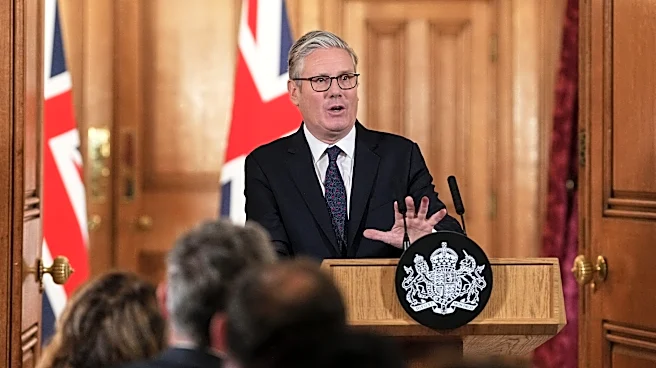
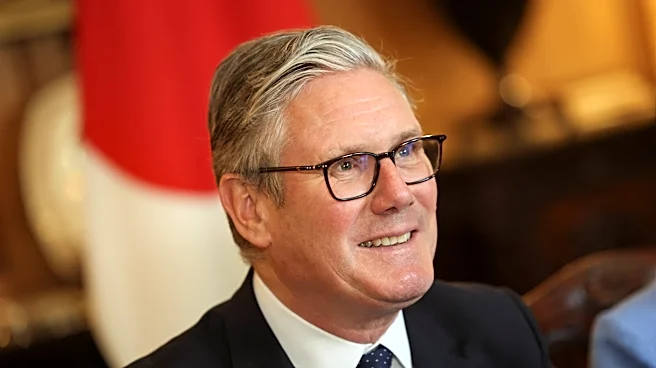
The UK government has announced a new policy to ban social media for children under the age of 16, set to take effect next spring. This initiative, led by Prime Minister Sir Keir Starmer, aims to enhance online safety and allow children to reclaim their
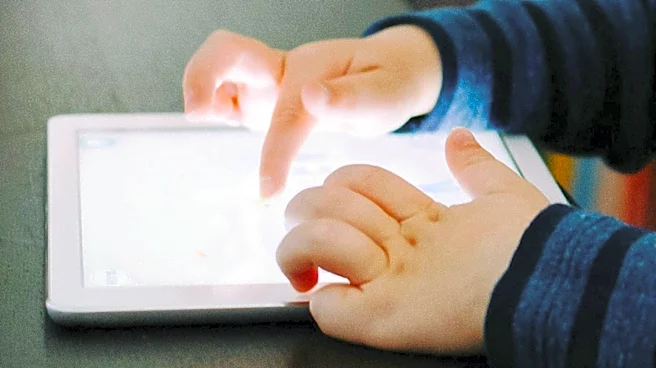
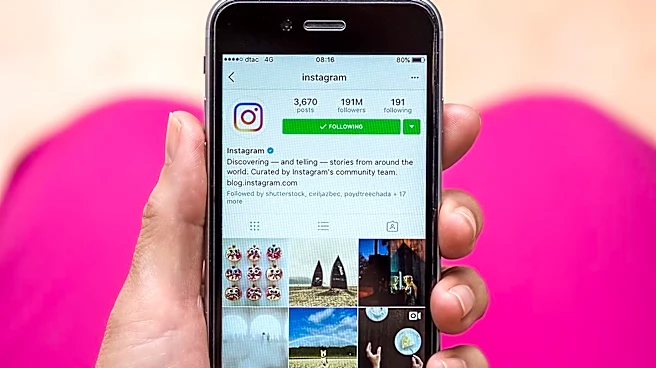
childhood. The decision comes in response to concerns about the impact of social media on young people's mental health and body image. According to Ofcom data, a significant majority of UK children aged 13 to 15 have their own social media profiles, and around 80% of 10- to 12-year-olds use social media. Experts, including registered dietitian Sasha Watkins, highlight that social media often presents skewed or dangerous nutrition advice, contributing to anxiety around eating and body dissatisfaction among teenagers. The ban is expected to reduce exposure to algorithm-driven diet and wellness content, which can normalize restrictive eating and body comparison.
Why It's Important?
The social media ban for children under 16 is significant as it addresses the growing concerns about the influence of digital platforms on young people's mental health and body image. By limiting exposure to potentially harmful content, the policy aims to protect teenagers from diet culture and misinformation that can lead to unhealthy eating habits and body dissatisfaction. This move could have broader implications for public health, as adolescence is a critical period for developing lifelong nutritional habits. The ban also highlights the need for media literacy and critical thinking skills among young people, as they continue to encounter health information online. While the effectiveness of such a ban remains to be seen, it underscores the importance of creating a safer online environment for children.
What's Next?
As the UK prepares to implement the social media ban, there will likely be discussions on how to enforce the policy effectively and address potential challenges. Parents and educators may need to play a more active role in guiding teenagers on how to navigate online content responsibly. Additionally, the policy could prompt other countries to consider similar measures to protect young people from the negative impacts of social media. The ban may also lead to increased scrutiny of social media platforms and their algorithms, potentially driving changes in how content is curated and presented to users. Stakeholders, including health professionals and policymakers, will need to monitor the impact of the ban and explore complementary strategies to support teenagers' mental health and well-being.
Beyond the Headlines
The social media ban raises important questions about the balance between protecting young people and restricting their access to digital platforms. While the policy aims to reduce exposure to harmful content, it also highlights the need for comprehensive education on media literacy and critical thinking. Encouraging teenagers to question the sources of health information and promoting evidence-based nutrition advice are crucial steps in fostering a healthier relationship with food and body image. The ban also reflects broader societal concerns about the role of technology in shaping young people's lives and the responsibility of social media companies to create safer online environments. As the digital landscape continues to evolve, ongoing dialogue and collaboration among stakeholders will be essential to address these complex issues.