



What's Happening?
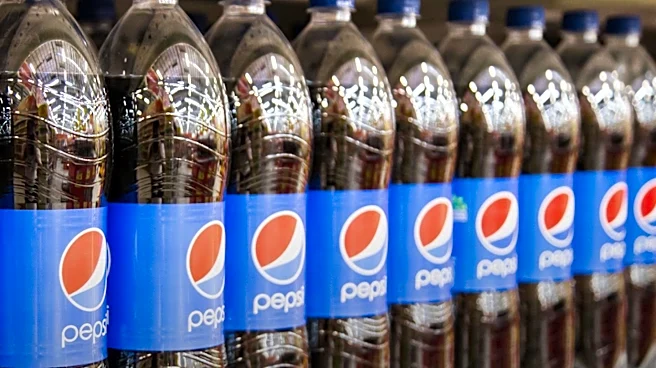
PepsiCo is actively exploring Iraq as a potential new manufacturing hub in the Middle East. This initiative aims to leverage Iraq's agricultural potential and industrial capacity to establish it as a center for food exports. As part of this effort, PepsiCo has
signed a Memorandum of Understanding (MoU) with the Baghdad Soft Drinks Co. (BSDC). This MoU is designed to significantly increase local production capacity, targeting over 250 million cases annually. The partnership, which has been in place for over four decades since 1984, reflects PepsiCo's confidence in Iraq's industrial future and its commitment to supporting local employment and manufacturing. The company's CEO of Foods, Middle East, North Africa, and Pakistan, Ahmed Elsheikh, highlighted the goal of supporting Iraq's agricultural and industrial sectors to foster a robust food manufacturing ecosystem. PepsiCo's SVP and CEO, Middle East and Africa Beverage FOBO, Mohamed Shelbaya, further emphasized the company's view of Iraq as a major beverage manufacturing player in the region.
Why It's Important?
This strategic move by PepsiCo is significant for several reasons. For Iraq, it represents a substantial foreign investment that could stimulate economic growth, create jobs, and modernize its manufacturing sector. By focusing on local production and agricultural development, PepsiCo is contributing to Iraq's self-sufficiency in food and beverage production, potentially reducing reliance on imports. This could also position Iraq as a regional export hub, diversifying its economy beyond oil. For PepsiCo, establishing a manufacturing hub in Iraq offers geographical advantages, access to a large young population, and locally produced food ingredients, which can streamline its supply chain and reduce operational costs in the Middle East. The long-standing partnership with BSDC provides a stable foundation for this expansion, indicating a calculated risk in a region often perceived as volatile. This investment also aligns with a broader trend of multinational corporations seeking to localize production and strengthen regional supply chains.
What's Next?
Following the signing of the MoU, PepsiCo and Baghdad Soft Drinks Co. will focus on exploring opportunities to expand manufacturing capacity and modernize the local manufacturing sector. The main goals include advanced manufacturing, skilled employment, and continued investment in Iraq's local industry. This will likely involve significant capital expenditure in infrastructure and technology to meet the targeted production capacity of over 250 million cases annually. PepsiCo will also work across the value chain to benefit local farmers and industries, supporting the production of goods proudly made in Iraq. The success of this initiative will depend on addressing existing challenges such as infrastructure and logistics deficits, including cold storage facilities, electrical supply stability, and transportation. Continued investment and assistance from international entities like PepsiCo will be crucial for Iraq to realize its potential as a modern manufacturing hub.
Beyond the Headlines
Beyond the immediate economic benefits, PepsiCo's investment in Iraq carries deeper implications for regional stability and development. By fostering a robust manufacturing sector and creating employment opportunities, the initiative can contribute to social stability and reduce economic disparities. It also signals a growing confidence in Iraq's long-term potential, despite its history of conflict and ongoing regional complexities. This move could encourage other multinational corporations to consider similar investments, further integrating Iraq into the global economy and promoting economic diversification. The focus on strengthening the farming sector and local industry also highlights a shift towards sustainable development practices, aiming to create a resilient and self-reliant economy. The success of this partnership could serve as a model for how international businesses can contribute to post-conflict economic recovery and development in challenging environments.