

What's Happening?
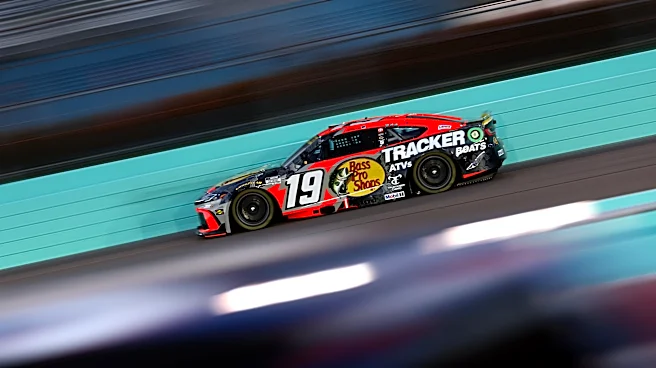
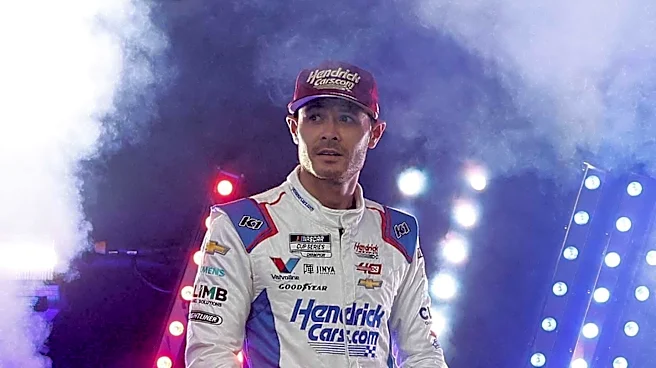
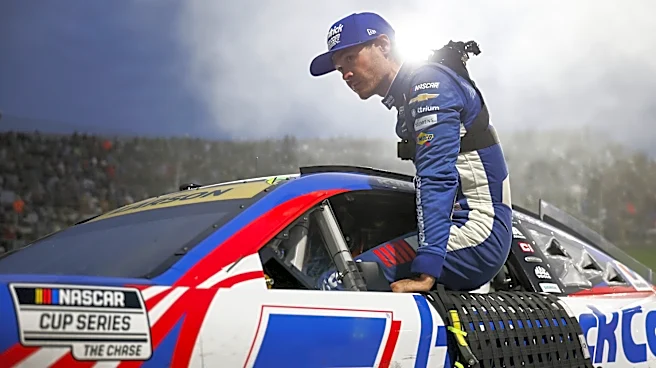
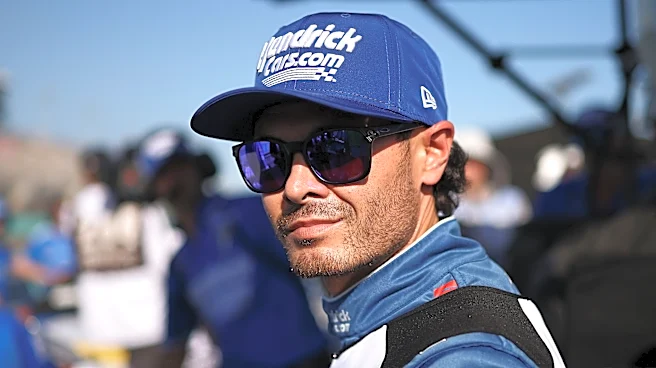
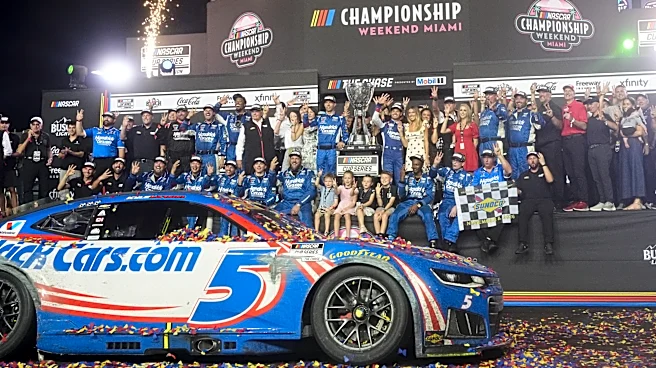
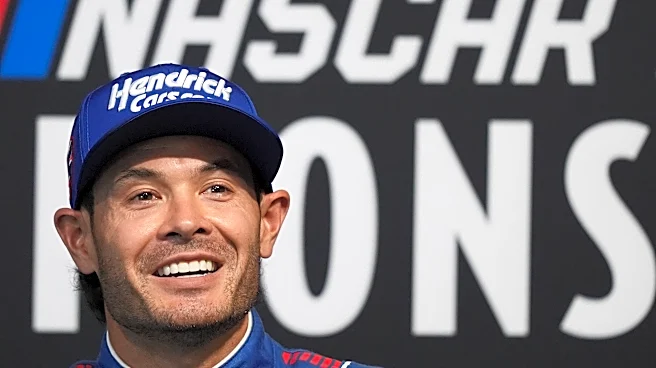
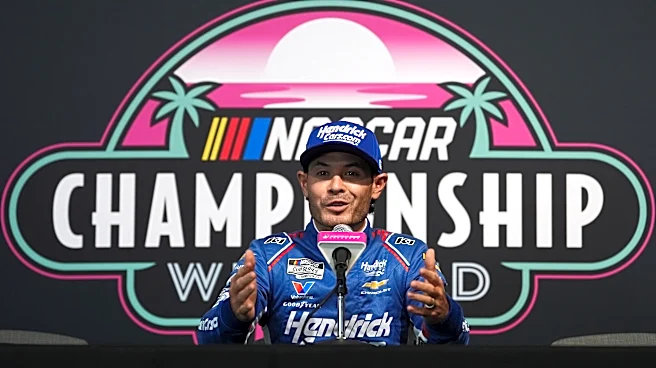
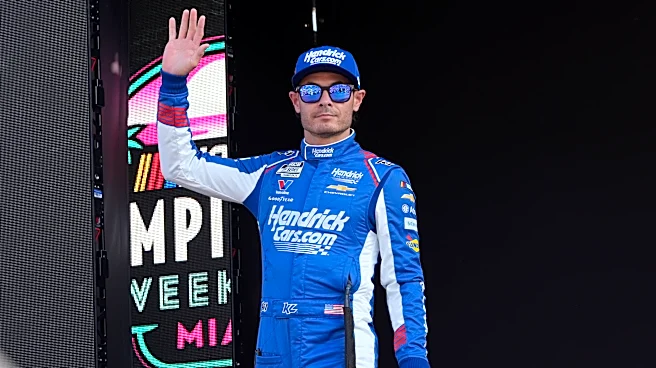
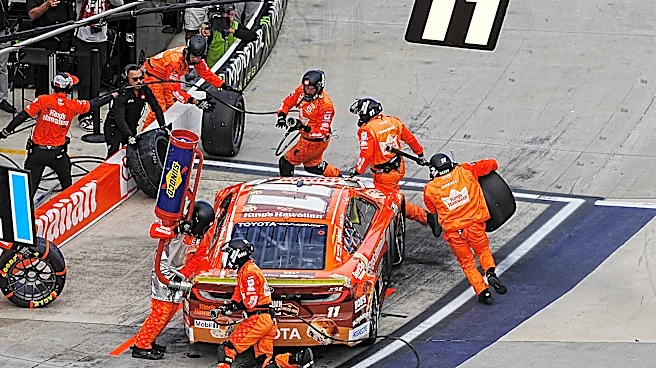
Kyle Larson, driving the No. 5 Hendrick Motorsports Chevrolet Camaro ZL1, has clinched his third NASCAR Cup Series championship in the 2026 season. This victory marks Larson's second consecutive title, adding to his 2021 and 2025 wins. The season was
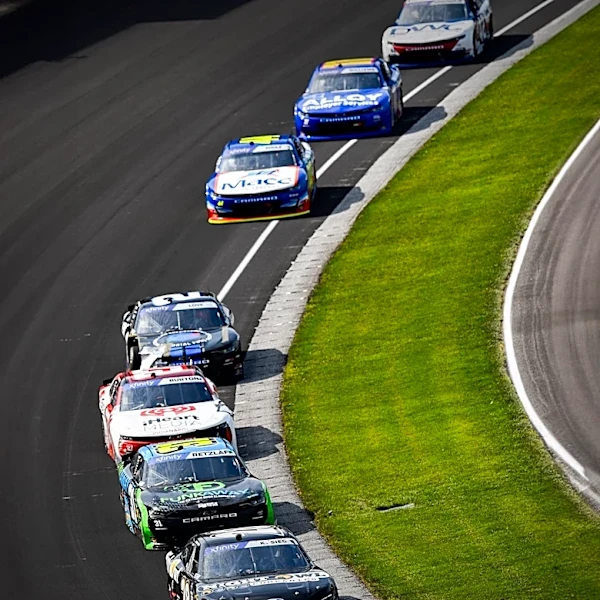
notable for NASCAR's decision to end its winner-takes-all Playoffs championship format, known as The Chase. Despite a quiet regular season without wins, Larson dominated the playoffs, securing the championship after finishing fourth in Stage 1 at Homestead-Miami Speedway. Chevrolet drivers, including Larson, demonstrated strong performance throughout the season, notably locking out the top six positions at the Yellawood 500 at Talladega. This championship is the 35th for a Chevrolet driver in the Cup Series and the 16th for Hendrick Motorsports.
Why It's Important?
Kyle Larson's third NASCAR Cup Series championship, and second consecutive, solidifies his position as a dominant force in American motorsports. This achievement is significant for Chevrolet and Hendrick Motorsports, reinforcing their legacy in NASCAR with a combined 35 Cup Series titles for Chevrolet and 16 for Hendrick Motorsports. The shift in NASCAR's championship format, moving away from the winner-takes-all Playoffs, could have broader implications for the sport's competitive structure and fan engagement. It suggests a potential re-evaluation of how championships are decided, possibly aiming for a more consistent season-long performance to be rewarded. The strong performance of Chevrolet teams also highlights the effectiveness of their updated Camaro ZL1 race car design, impacting manufacturer rivalries and engineering strategies within the sport.
What's Next?
Following this championship, attention will likely turn to how NASCAR's revised championship format will evolve and its long-term impact on team strategies and driver performance. Chevrolet and Hendrick Motorsports will aim to maintain their competitive edge, potentially influencing other manufacturers to innovate their car designs and team collaborations. Kyle Larson's continued success will place him under scrutiny as he pursues further records and championships. The racing community will also be observing how the new championship structure affects viewership, sponsorship, and the overall narrative of future NASCAR seasons, particularly regarding whether it fosters more consistent competition or alters the dramatic tension of the playoffs.
Beyond the Headlines
The decision by NASCAR to move away from the winner-takes-all playoff format could signal a broader trend in professional sports to re-evaluate high-stakes, single-event championship deciders. This shift might reflect a desire to emphasize consistent performance throughout a season rather than a sudden surge in the final races. Such a change could influence how teams approach season-long development and strategy, potentially leading to more balanced competition and less reliance on 'clutch' performances. Ethically, it raises questions about fairness and the definition of a true champion—whether it's the most consistent performer or the one who excels under ultimate pressure. This evolution in format could also impact fan perception, potentially appealing to those who prefer a more traditional, season-long narrative of excellence.