



What's Happening?
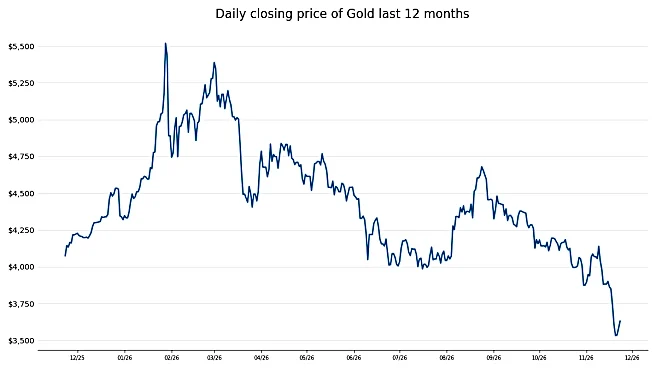
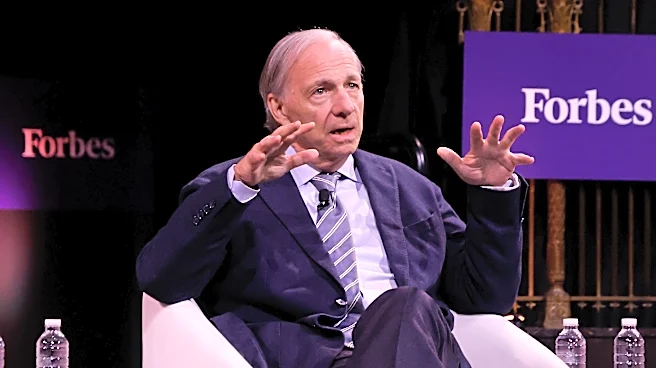
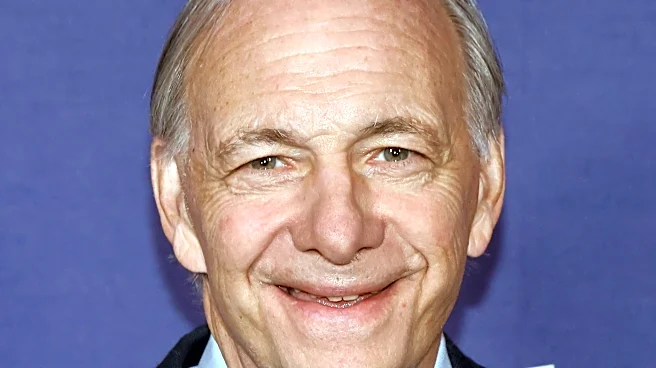
Ray Dalio, founder of Bridgewater Associates, asserts that a 10% to 15% allocation to gold is essential for investor portfolios, regardless of the investment cycle. In a recent interview, Dalio emphasized that gold serves as an irreplaceable diversifier,
particularly during periods of credit system instability. He highlighted the importance of investors first securing enough capital for a stable life, considering inflation and potential 50% drawdowns. Dalio also introduced his 'holy grail of investing' concept, which involves diversifying across 10 to 15 uncorrelated investments to significantly reduce risk without sacrificing returns. He noted that central banks are increasingly moving towards gold, making it the second-largest currency, due to concerns over debt, capital flows, and geopolitical conflicts. Dalio also expressed skepticism about cryptocurrencies fulfilling gold's role, citing their monitorability and legal vulnerability compared to gold's secure, physical nature.
Why It's Important?
Dalio's recommendation for a substantial gold allocation carries significant weight for U.S. investors and financial markets. His emphasis on gold as a defensive asset during credit system disruptions suggests a potential shift in investment strategies, especially given current global economic uncertainties. If a large number of investors and institutions follow this advice, it could lead to increased demand for gold, impacting its price and the broader commodities market. This perspective also challenges the growing interest in cryptocurrencies as safe-haven assets, potentially influencing regulatory discussions and investor confidence in digital currencies. The move by central banks towards gold, as noted by Dalio, indicates a systemic concern about the stability of traditional fiat currencies and sovereign debt, which could have long-term implications for the U.S. dollar's global standing and the attractiveness of U.S. Treasuries.
What's Next?
Investors may re-evaluate their portfolio allocations, potentially increasing their exposure to gold in line with Dalio's recommendations. This could lead to a sustained upward trend in gold prices, impacting related financial products like gold ETFs and mining stocks. The debate between gold and cryptocurrencies as safe-haven assets is likely to intensify, prompting further analysis and potentially new investment products. Central banks and sovereign wealth funds are expected to continue their accumulation of gold, reflecting ongoing geopolitical and economic uncertainties. This trend could influence international financial relations and the stability of global reserve currencies. Furthermore, Dalio's insights might encourage a broader discussion among financial advisors and policymakers about resilient investment strategies in an increasingly complex global landscape.
Beyond the Headlines
The underlying message from Dalio extends beyond mere investment advice; it reflects a deeper concern about the structural integrity of the global financial system. His focus on the 'holy grail of investing' and the need for diversification highlights a growing recognition of systemic risks, including excessive debt and geopolitical fragmentation. The comparison between gold and cryptocurrencies also touches upon fundamental questions of trust, privacy, and control in the digital age. Gold's historical role as a store of value, independent of any single government or institution, contrasts sharply with the evolving and often volatile nature of digital assets. This perspective could foster a re-evaluation of traditional financial principles versus modern innovations, influencing long-term investment philosophies and the future of monetary policy.