


What's Happening?
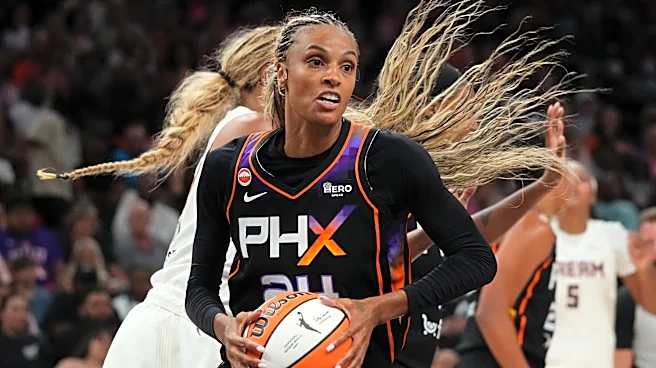
Los Angeles Sparks forward Dearica Hamby publicly shared a racist text message she received, which included a racial slur and called her an animal. The incident occurred on August 24, when Hamby posted a screenshot of the message, including the sender's
phone number, on social media platform X, asking her followers if anyone recognized the number. Following this, internet users identified the sender, and their employer, Acclaro Medical, was alerted. Acclaro Medical subsequently confirmed to USA TODAY Sports on August 25 that the employee responsible had been suspended pending a thorough investigation. The company issued a statement condemning racism, harassment, hate speech, and discriminatory behavior, emphasizing that the remarks do not reflect their values. This event reignites ongoing discussions within the WNBA regarding racial abuse and player safety, particularly concerning online interactions. Other WNBA players, including Las Vegas Aces guard Chelsea Gray and Phoenix Mercury forward Alyssa Thomas, have also recently come forward about experiencing racist and hateful messages.
Why It's Important?
This incident underscores the persistent issue of racial abuse and online harassment faced by professional athletes, particularly women of color in the WNBA. The swift action taken by Acclaro Medical to suspend the employee demonstrates a growing corporate accountability for employees' off-duty conduct, especially when it involves public acts of hate speech. This could set a precedent for how companies respond to similar situations, potentially influencing corporate policies on employee behavior and social media ethics. For the WNBA, it highlights the urgent need for enhanced player safety measures, not just on the court but also in the digital sphere. The league and its players have been vocal about the increasing vitriol directed at them, prompting calls for stronger actions from the league to protect its athletes. The public nature of Hamby's disclosure and the subsequent community response also emphasize the power of social media in holding individuals accountable for their actions, while simultaneously exposing athletes to significant online risks.
What's Next?
Acclaro Medical is currently conducting a thorough investigation into the incident involving their suspended employee. The outcome of this investigation could lead to further disciplinary actions, including potential termination, depending on company policy and legal considerations. The WNBA and the Los Angeles Sparks may also issue further statements or take additional steps to support Dearica Hamby and address the broader issue of player safety and online harassment. This event is likely to intensify discussions within the league about implementing more robust mechanisms to protect players from online abuse and to respond effectively when such incidents occur. It may also prompt other companies to review their social media policies for employees and consider the implications of their employees' public conduct. Furthermore, the incident could contribute to a larger societal conversation about combating online hate speech and promoting digital citizenship, with potential implications for social media platform policies and user accountability.
Beyond the Headlines
The incident involving Dearica Hamby transcends a single act of racism, touching upon deeper societal issues of online anonymity, accountability, and the pervasive nature of hate speech. The ease with which an individual can direct hateful messages at public figures, coupled with the rapid mobilization of online communities to identify and expose perpetrators, highlights the double-edged sword of digital connectivity. Ethically, it raises questions about the boundaries of free speech versus hate speech and the responsibility of individuals and corporations in fostering respectful online environments. Legally, it could prompt discussions on the extent to which employers are liable for their employees' off-duty online conduct, especially when it impacts public figures or reflects poorly on the company's values. Culturally, this event is part of a broader reckoning with systemic racism and misogyny that disproportionately affects Black women athletes, forcing a re-evaluation of how society values and protects these individuals. The collective response from the WNBA community and the public signifies a growing intolerance for such behavior and a demand for tangible consequences.