





What's Happening?
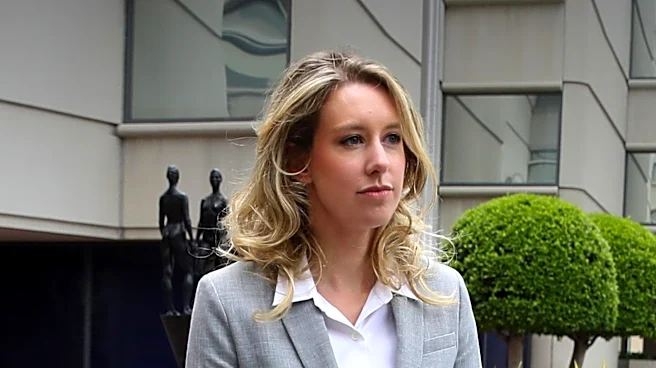
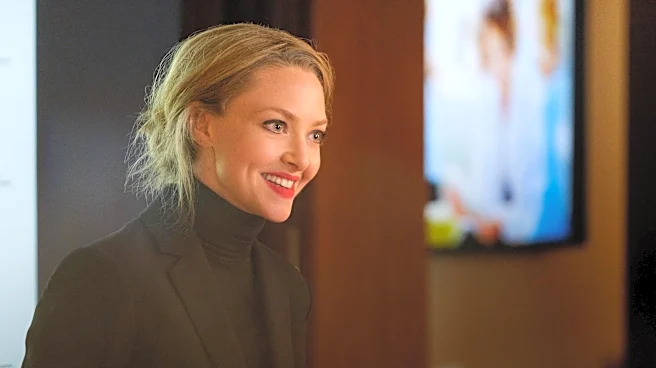
Actress Amanda Seyfried has publicly shared her relief regarding the revelation of her secret role in the documentary 'You Can See Everything,' which focuses on Theranos founder Elizabeth Holmes. Seyfried reprises her Emmy-winning portrayal of Holmes in reenactments
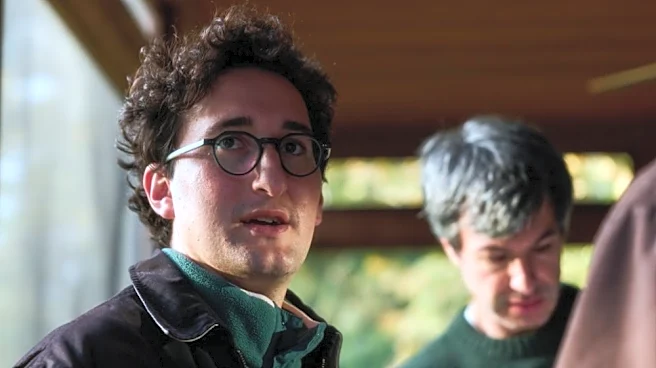
within the film, directed by Nathan Fielder and Lance Oppenheim. Her involvement was intentionally kept under wraps during the film's promotional phase, making her appearance a surprise approximately halfway through the nearly three-hour documentary. Seyfried connected with Nathan Fielder through Emma Stone and initially believed Fielder sought her advice on his footage. She decided to take on the role again because she finds it important as an actor and artist to pursue projects that are new and challenging. The documentary itself has achieved significant box office success, earning $80 million domestically in just four weekends, making it the second-highest-grossing documentary of all time in North America. The film documents the final 34 days of Holmes's freedom before she began her 11-year prison sentence for defrauding investors.
Why It's Important?
Seyfried's decision to participate in the documentary, despite initial fears that it could 'destroy' her career, highlights the complex ethical and professional considerations actors face when engaging with controversial real-life figures. Her commitment to roles that 'scare' her underscores a dedication to artistic growth over career safety, potentially influencing other actors to take on more challenging and less conventional projects. The film's commercial success also demonstrates a significant public appetite for in-depth, documentary-style explorations of high-profile legal and corporate scandals. This success could encourage more filmmakers to invest in similar investigative documentaries, potentially shifting audience preferences and industry funding towards non-fiction narratives that delve into contemporary issues. Furthermore, the documentary's approach of using an established actor for reenactments blurs the lines between traditional documentary and dramatic storytelling, potentially setting new trends in documentary filmmaking.
What's Next?
The success of 'You Can See Everything' may lead to increased interest in documentaries that incorporate dramatic reenactments with well-known actors, potentially influencing future documentary production strategies. Filmmakers might explore similar methods to engage broader audiences with complex non-fiction narratives. For Amanda Seyfried, her willingness to take on such a risky and unconventional role could open doors to more diverse and challenging projects, further solidifying her reputation as an artist committed to pushing boundaries. The film's critical and commercial acclaim could also prompt further public discussion and scrutiny of the Theranos scandal and the broader implications of corporate fraud, potentially influencing regulatory bodies and investor awareness. Additionally, the documentary's impact might inspire other artists to collaborate on projects that blend different forms of media and storytelling to tackle significant real-world events.
Beyond the Headlines
The documentary's use of Amanda Seyfried in reenactments raises interesting questions about the nature of truth and representation in non-fiction storytelling. While her performance adds a compelling layer to the narrative, it also blurs the line between factual recounting and dramatic interpretation, potentially influencing audience perception of the events. Seyfried's personal encounters during filming, including a phone call from Holmes in prison and a tense confrontation with Holmes's partner, Billy Evans, add a raw, unscripted dimension that goes beyond typical acting roles. These interactions highlight the emotional and psychological toll such immersive roles can take on performers. The film's success also reflects a societal fascination with figures like Elizabeth Holmes, prompting deeper reflection on the cultural narratives surrounding ambition, deception, and the pursuit of innovation at all costs. This ongoing public interest suggests a broader societal need to understand the complexities of such figures and the systems that enable their rise and fall.