

What's Happening?
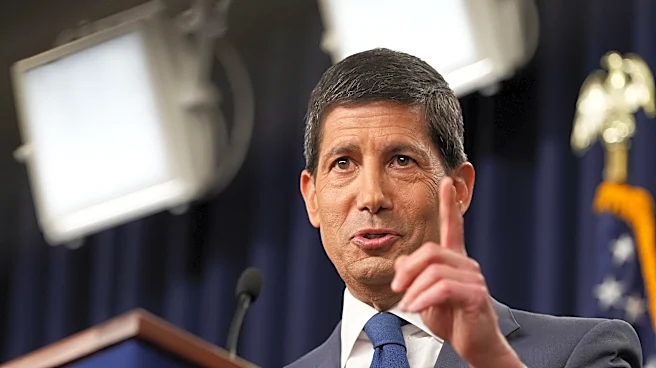
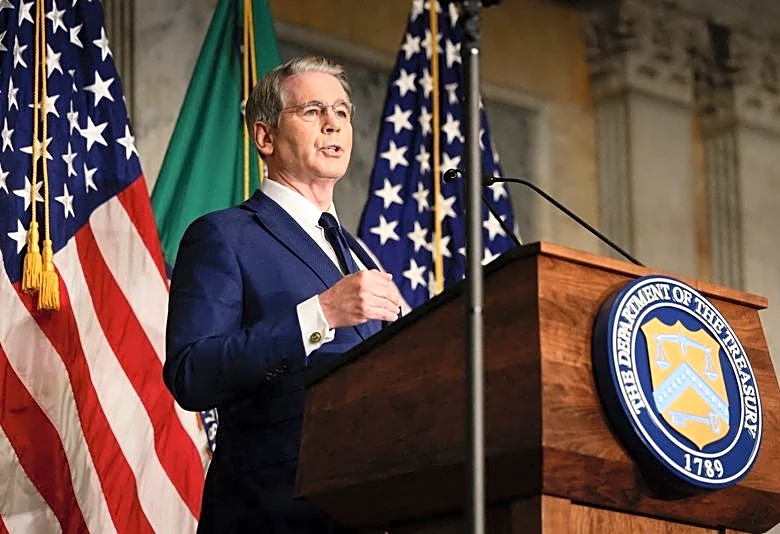
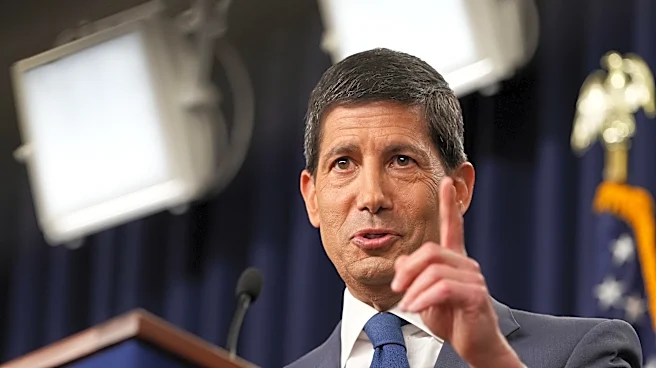
Federal Reserve Chair Kevin Warsh has reinforced expectations that the U.S. central bank may soon raise interest rates to combat persistent inflation. In a speech on Friday, Warsh indicated that the Fed is prepared to take necessary actions, including
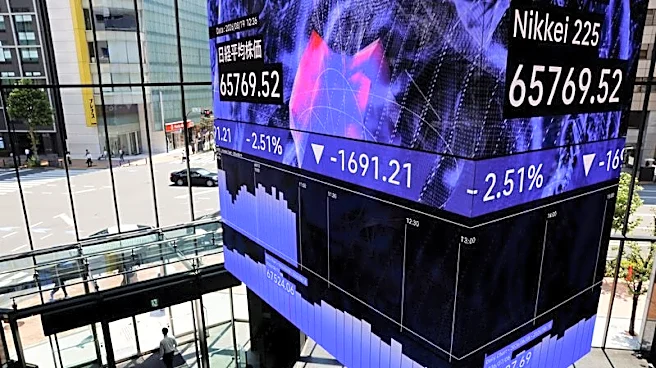
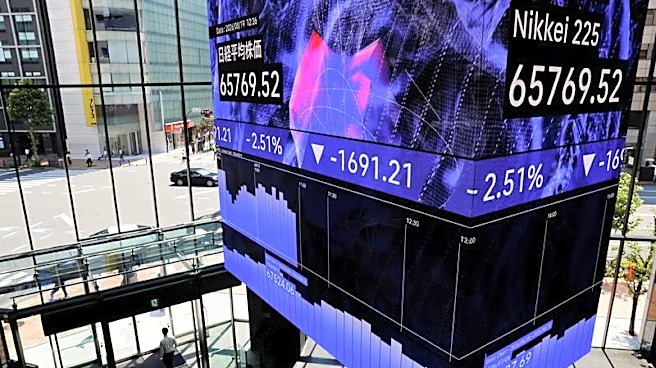
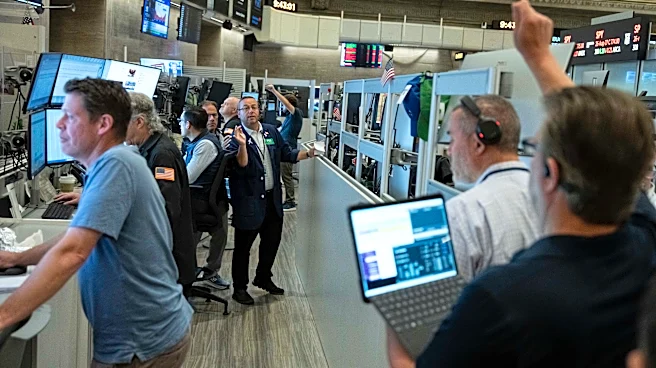
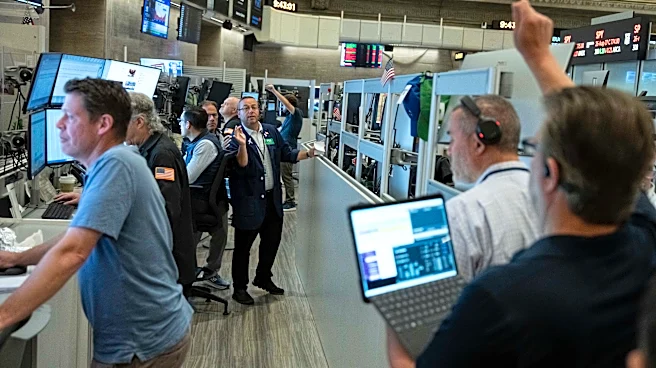
rate hikes, to bring inflation down to its 2% target, even if it causes short-term economic pain. This stance has led to a retreat in Asian shares and U.S. futures, with the S&P 500 and Dow Jones Industrial Average futures slipping. The yield on the two-year Treasury note, which is sensitive to Fed policy expectations, jumped to 4.35% from 4.22% before Warsh's speech. Longer-term yields also rose, with the 10-year Treasury yield climbing to 4.72% and the 30-year Treasury yield reaching 5.21%.
Why It's Important?
The Federal Reserve's potential move to raise interest rates has significant implications for financial markets and the broader U.S. economy. Higher interest rates increase borrowing costs for businesses and consumers, which can slow economic activity and potentially impact corporate earnings and investment valuations. The rise in Treasury yields reflects investors' demand for higher returns in anticipation of tighter monetary policy, making it more expensive for the U.S. government to finance its debt. This situation creates a tension, as President Trump has expressed a desire for lower interest rates. The Fed's primary focus on controlling inflation, even if it means some economic slowdown, underscores its commitment to price stability, which is crucial for long-term economic health but can lead to short-term market volatility.
What's Next?
Markets will continue to closely monitor upcoming economic data, particularly inflation reports and employment figures, for further clues on the Federal Reserve's next steps. The Fed's next meeting will be critical in determining whether a rate hike is implemented. Investors will also be watching for any further statements from Fed officials that could clarify the central bank's policy trajectory. The ongoing debate between controlling inflation and supporting economic growth will likely remain a central theme in financial discussions. The impact of these potential rate hikes on various sectors, including technology and housing, will be a key area of focus for analysts and investors.
Beyond the Headlines
The Federal Reserve's current dilemma highlights the complex balancing act central banks face in managing economic cycles. While controlling inflation is paramount for maintaining purchasing power and economic stability, aggressive rate hikes can trigger economic contractions. The rise in longer-term bond yields, partly driven by inflation concerns, suggests a broader market apprehension about the sustainability of current price levels. This situation also brings into focus the political dimension of monetary policy, with the President advocating for lower rates while the Fed maintains its independence to pursue its dual mandate. The long-term consequences could include a re-evaluation of investment strategies, a shift in consumer spending patterns, and potentially a more challenging environment for government debt management if interest costs continue to climb.