






What's Happening?
Austin Mayor Kirk Watson has lauded Airbnb's new Housing Accelerator program, which commits an initial $250 million to finance stalled affordable housing projects in Austin, Texas. This initiative aims to unlock $5 billion in capital investments over
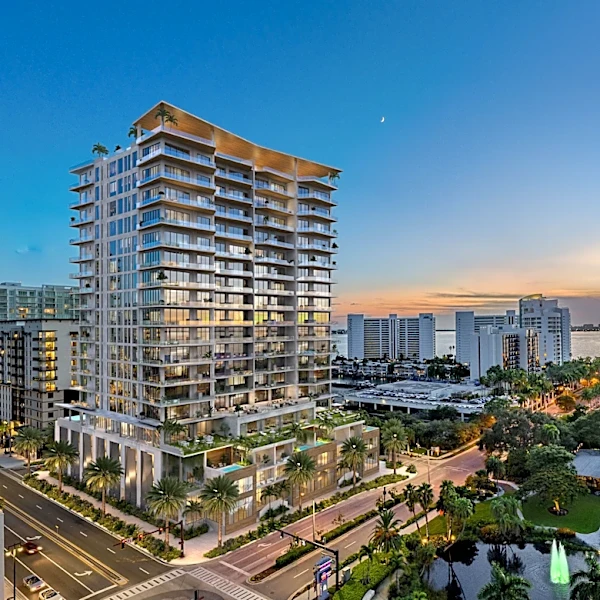
the next decade. The first investment of $6.4 million from this program is specifically allocated to advance 201 affordable apartments within the St. John project in Austin. According to KEYE, this fully affordable portion is a requirement under Airbnb’s agreement with the City of Austin, which also involves a companion 325-unit mixed-income development. The broader redevelopment is expected to deliver over 500 homes, retail space, a park, and public art by 2028. Mayor Watson emphasized the necessity of collaboration to expand housing in Austin, stating, “Expanding housing takes all of us.” Airbnb CEO Brian Chesky described the Housing Accelerator as “last-dollar” financing, designed to provide incremental capital for projects that have largely completed permits and other requirements but are facing financial shortfalls.
Why It's Important?
This initiative is significant for Austin's housing landscape, which has been grappling with affordability challenges. The infusion of $250 million in 'last-dollar' financing from Airbnb directly addresses a critical barrier for many housing developments: the final funding gap that prevents projects from moving forward. By focusing on projects that are 'stuck on the one-yard line,' the program can accelerate the delivery of much-needed affordable housing units, directly impacting low- and middle-income residents struggling with high housing costs. The collaboration between a major tech company like Airbnb and local government, as highlighted by Mayor Watson, sets a precedent for innovative public-private partnerships in tackling urban housing crises. Furthermore, the program's commitment to supporting policy efforts related to zoning, permitting, and building-code changes, through groups like AURA, indicates a broader strategy to address systemic issues contributing to housing shortages, potentially streamlining future development processes and making housing more accessible.
What's Next?
The immediate next step for the Airbnb Housing Accelerator is the continued allocation of its initial $250 million investment, with the first $6.4 million already directed towards the 201-unit St. John project in Austin. Over the next ten years, Airbnb aims to unlock $5 billion in capital investments through this program, suggesting a sustained effort to fund similar stalled projects. The company also plans to support an annual 'Airbnb City Index' dataset later in 2026, which could provide valuable insights into urban housing trends and the program's impact. Additionally, Airbnb will continue to support policy efforts involving zoning, permitting, and building-code changes, indicating ongoing engagement with local advocacy groups like AURA to foster a more conducive environment for housing development. The success of the Austin project could serve as a model for expanding the program to other markets, as Airbnb has not ruled out such an expansion.
Beyond the Headlines
Beyond the immediate financial injection, this initiative highlights a growing trend of private sector involvement in addressing public infrastructure and social challenges, particularly in the realm of affordable housing. The 'last-dollar' financing model employed by Airbnb could redefine how large corporations engage in corporate social responsibility, moving beyond traditional philanthropy to direct, impactful investments that also align with their business ecosystem. While Airbnb stresses that the goal is not to create more Airbnb supply, the program's success could indirectly influence the company's public image and regulatory standing in cities grappling with the effects of short-term rentals on housing availability. The emphasis on policy reform, including zoning and building codes, points to a recognition that capital alone cannot solve the housing crisis; systemic changes are also necessary. This integrated approach could foster a more sustainable model for urban development, encouraging other companies to invest in similar initiatives that address critical societal needs while potentially yielding long-term benefits for their brand and operational environment.