





What's Happening?
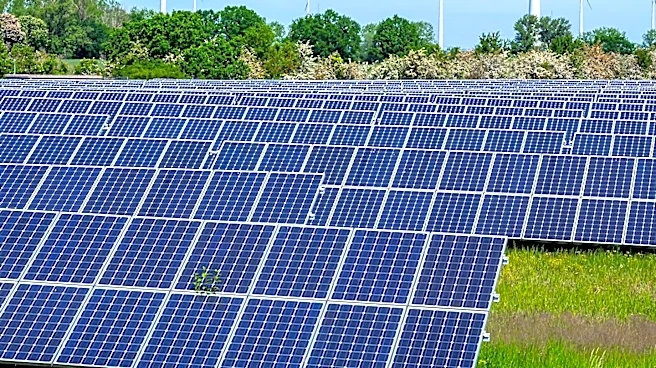
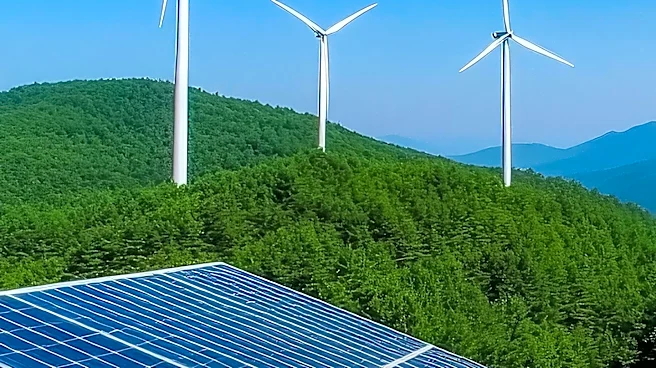
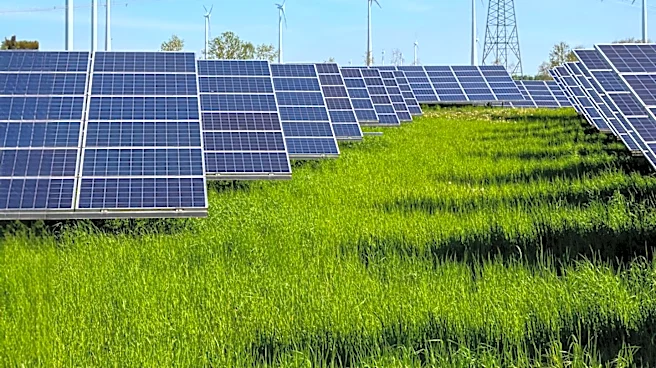
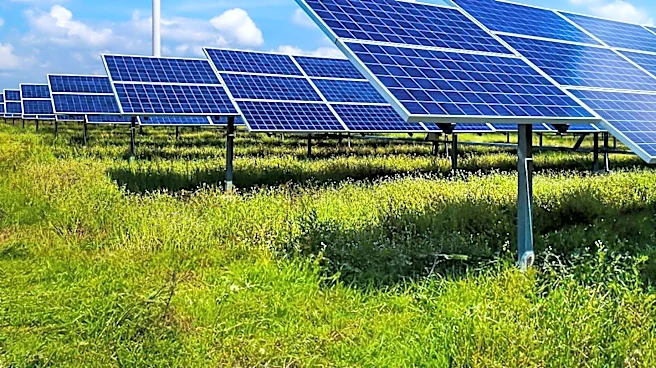
Hawaiian Electric Company (HECO) has announced plans to introduce approximately 1,650 gigawatt-hours of new solar and wind power, which will account for about 15% of the energy on its grids. This initiative is part of HECO's strategy to decrease Hawaii's
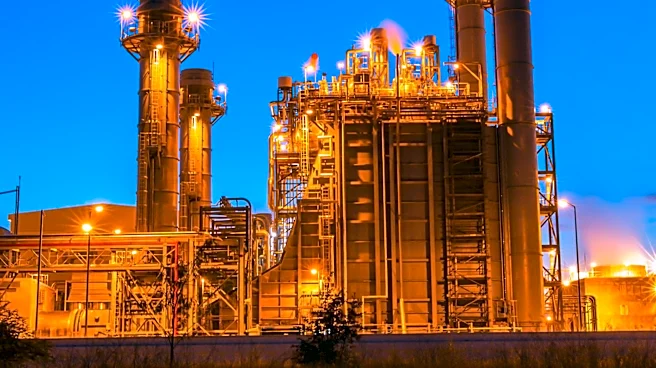
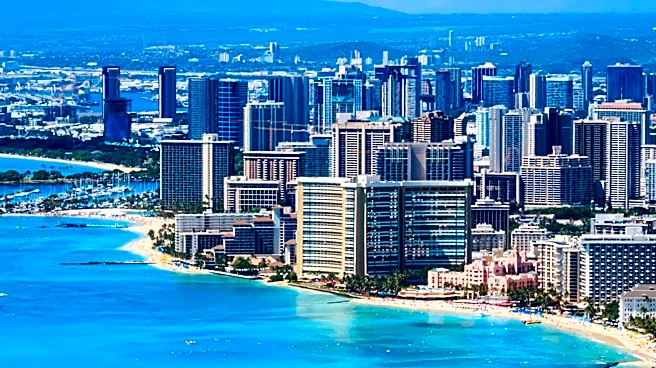
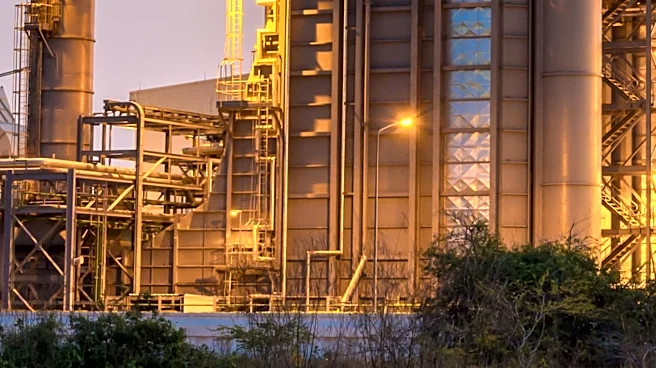
reliance on oil, as Oʻahu currently generates around 70% of its electricity from petroleum. In addition to renewable energy, HECO is seeking approval from the Public Utilities Commission for the procurement of new fuel-based power sources, potentially paving the way for natural gas projects. The utility is open to various solutions, including liquefied natural gas (LNG) for power generation. A proposal from the Japanese energy company JERA to build a 500 megawatt gas-fired plant on Oʻahu is also under consideration. HECO has expressed concerns about JERA's approach, which bypasses competitive bidding, and has requested the commission to initiate a new proceeding to approve the procurement of fuel-flexible power.
Why It's Important?
This development is significant as it represents a major step towards reducing Hawaii's dependence on oil, aligning with broader environmental goals and energy security. The introduction of substantial renewable energy capacity could lead to a more sustainable energy infrastructure in Hawaii, potentially lowering energy costs and reducing carbon emissions. The consideration of natural gas as a transitional energy source highlights the complexities of balancing immediate energy needs with long-term sustainability goals. The outcome of this procurement process could set a precedent for future energy projects in Hawaii, influencing the state's energy policy and market dynamics.
What's Next?
The next steps involve the Public Utilities Commission's decision on HECO's request for new fuel-based power procurement. The commission's response will determine whether JERA's proposal for a gas-fired plant will proceed through HECO or directly to the commission. This decision will impact the competitive landscape of Hawaii's energy market and could influence future energy procurement strategies. Stakeholders, including environmental groups and energy companies, are likely to closely monitor the commission's actions, as they could have significant implications for Hawaii's energy transition.