






What's Happening?
Bolivia, a nation with significant lithium deposits, is actively developing new legislation to attract foreign investment. This initiative is part of a broader trend in Latin America where countries are implementing mining reforms and regulatory changes
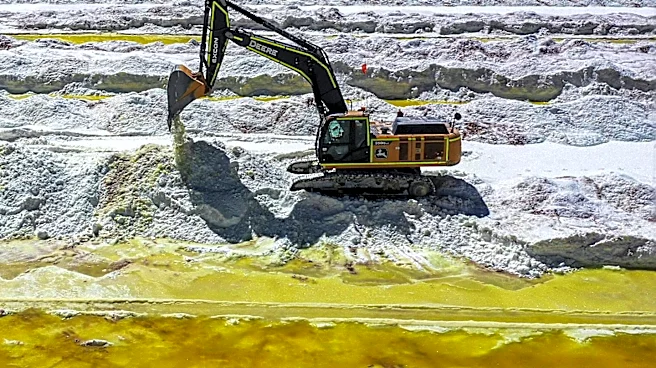
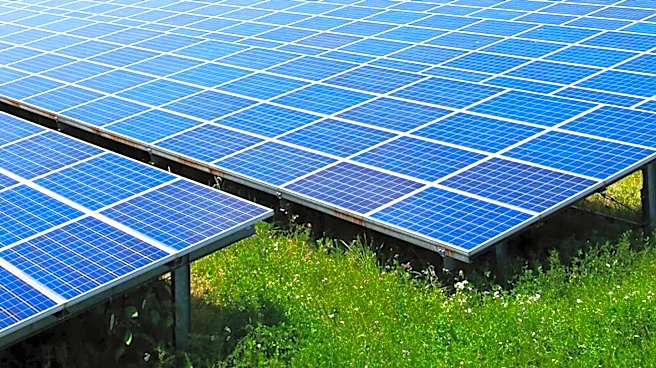
to create investment opportunities. The Bolivian government has committed to honoring existing energy and lithium contracts, aiming to reassure potential investors. This move follows a recent election that signaled a shift towards more pro-business policies. The new administration plans legal reforms specifically designed to draw foreign capital into key sectors such as oil exploration, renewable energy, and lithium extraction. This legislative push is intended to unlock the country's natural resource potential and stimulate economic growth.
Why It's Important?
Bolivia's efforts to attract foreign investment, particularly in its vast lithium reserves, hold significant importance for global industries and the U.S. market. Lithium is a critical component in electric vehicle batteries and renewable energy storage, making secure and diversified supply chains vital. Increased investment in Bolivian lithium could help stabilize global prices and reduce reliance on a few dominant producers, benefiting U.S. manufacturers and consumers. For U.S. companies, these reforms present new opportunities for direct investment, technology transfer, and market expansion in a resource-rich region. Conversely, a failure to attract sufficient investment or political instability could disrupt supply chains and impact the cost and availability of essential materials for the burgeoning green technology sector. The success of these reforms could also set a precedent for other Latin American nations looking to leverage their natural resources for economic development.
What's Next?
The next steps involve the formalization and implementation of Bolivia's new legislation aimed at foreign investment. Businesses and international bodies will closely monitor the specifics of these legal reforms, particularly regarding investment protections, profit repatriation, and environmental regulations. The Bolivian government will need to demonstrate consistent adherence to its pledges to honor existing contracts and maintain a stable regulatory environment to build investor confidence. Potential reactions from major stakeholders include increased engagement from international mining and energy companies, as well as financial institutions looking to fund these projects. The success of these initial reforms could lead to further legislative changes and a more open investment climate across other sectors in Bolivia and potentially influence neighboring countries to adopt similar pro-investment policies.
Beyond the Headlines
Beyond the immediate economic implications, Bolivia's push for foreign investment in lithium and energy carries deeper implications for global resource geopolitics and sustainable development. The ethical considerations surrounding resource extraction, particularly in indigenous territories, will be a critical aspect to watch. The legal frameworks must balance economic growth with environmental protection and social equity. Long-term shifts could include a re-calibration of global lithium supply dynamics, potentially reducing the market dominance of current major players. This could also foster greater technological collaboration between Bolivia and investing nations, accelerating the development of advanced extraction and processing techniques. The success or failure of Bolivia's strategy could serve as a case study for other developing nations seeking to monetize their critical mineral assets while navigating complex international investment landscapes.