






What's Happening?
Trail running demands specialized gear that differs significantly from road running equipment due to varied terrain and increased stress on the feet. Conventional running socks are inadequate for trail running as they tend to slip, offer minimal friction
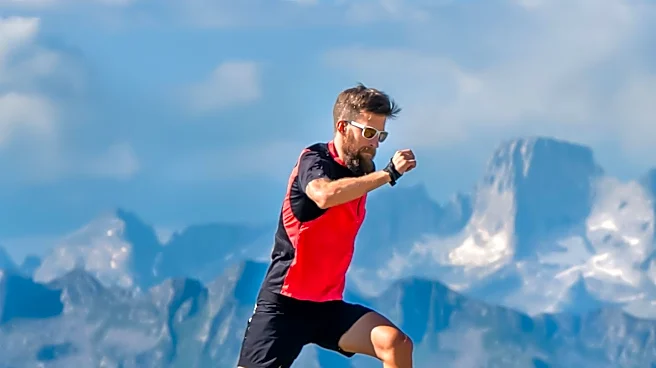
protection, and do not manage moisture effectively. Therefore, dedicated trail running socks, often made from merino wool, synthetics, or blends, are recommended. These socks feature a snug fit, targeted cushioning, flat seams, and efficient moisture-wicking properties. Beyond socks, essential gear includes trail running shoes tailored to specific terrains for grip, stability, and protection, as well as technical clothing like breathable shirts, shorts, and weather-resistant jackets. For longer runs, a trail running backpack with a hydration system is crucial, along with accessories such as caps, visors, headbands, and lightweight gloves for protection against environmental elements.
Why It's Important?
The emphasis on specialized trail running gear highlights a growing segment within the sports and outdoor recreation industry. This trend underscores the importance of product innovation and niche market development for manufacturers and retailers. For consumers, understanding the specific requirements of trail running gear is vital for injury prevention, enhanced performance, and overall comfort. Investing in appropriate equipment, such as specialized socks and shoes, can significantly reduce the risk of blisters, improve foot stability on uneven surfaces, and ensure proper temperature regulation. This focus on specialized gear also reflects a broader shift in consumer behavior towards activities that offer a deeper connection with nature, driving demand for high-performance, durable, and comfortable outdoor products. The market for trail running equipment is expanding, creating opportunities for brands that prioritize research, development, and user-centric design.
What's Next?
The continued growth of trail running as a popular outdoor activity is likely to drive further innovation in specialized gear. Manufacturers are expected to invest more in research and development to create even more advanced materials and designs for socks, shoes, and apparel that cater to the diverse needs of trail runners across various terrains and climates. This could include the integration of smart technologies into gear for performance tracking or enhanced safety features. Retailers will likely expand their offerings of trail running-specific products, potentially creating dedicated sections or specialized stores. Furthermore, as the community grows, there may be an increase in organized trail running events, training programs, and educational resources emphasizing the importance of proper gear selection. The industry may also see a greater focus on sustainability in manufacturing processes, with a push towards eco-friendly materials and production methods for trail running equipment.
Beyond the Headlines
The evolution of trail running gear reflects a deeper cultural shift towards experiential and nature-based leisure activities. This trend goes beyond mere physical exercise, encompassing a desire for mental well-being, connection with the environment, and a challenge against natural elements. The meticulous design of specialized gear, from moisture-wicking socks to terrain-specific shoes, symbolizes a human endeavor to adapt and thrive in challenging natural environments. It also highlights the intersection of sports science, material engineering, and environmental consciousness. The emphasis on comfort, protection, and performance in trail running gear underscores a broader societal value placed on health, resilience, and the pursuit of personal limits within the embrace of nature. This niche market's growth also points to the increasing sophistication of consumer demands, where generic solutions are no longer sufficient for specialized pursuits, driving industries to innovate and cater to highly specific needs.