







What's Happening?
Waukesha-based Generac has entered into a long-term agreement with Amazon to provide up to $8 billion worth of backup generators for Amazon’s data centers. This significant deal was disclosed by Generac in a filing with the U.S. Securities and Exchange
Commission (SEC) on Wednesday. Under the terms of the agreement, Generac is projected to deliver $2.4 billion worth of generators to Amazon during 2027 and 2028. Generac CEO Aaron Jagdfeld stated that this agreement establishes Generac as a long-term partner for Amazon's industrial backup generator supply and highlights the growth within the industry. The deal also grants Amazon the right to acquire up to nearly 1.7 million shares of Generac stock at approximately $200 per share. Amazon immediately received the right to purchase over 300,000 shares, with the remaining shares vesting over time as Generac fulfills its supply obligations and receives payments. News of this agreement led to a significant surge in Generac’s stock price, rising from around $175 to nearly $250 per share on Wednesday, though it later adjusted to approximately $208 per share by Thursday noon.
Why It's Important?
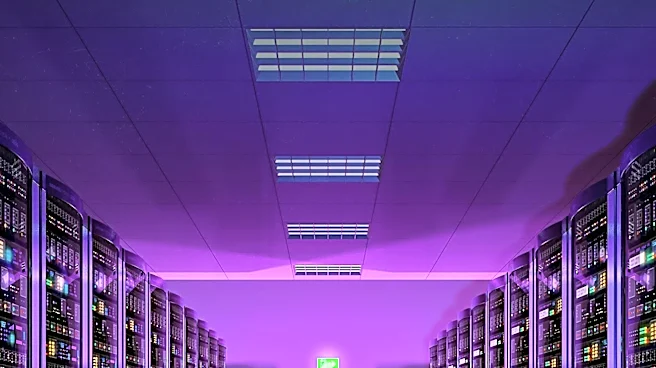
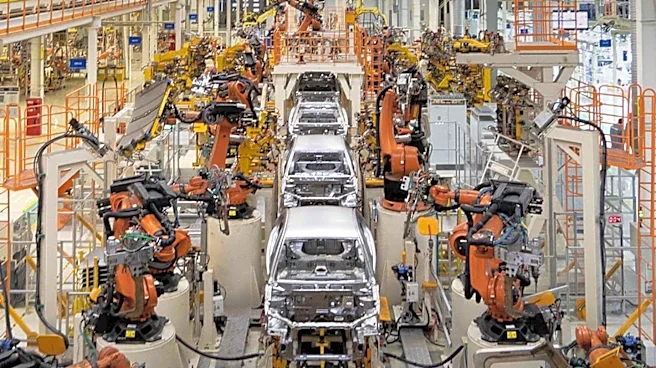
This $8 billion deal is a monumental win for Generac, solidifying its position as a key supplier in the rapidly expanding data center market. For the U.S. economy, it signifies robust growth in the commercial and industrial sector, particularly in manufacturing and technology infrastructure. The agreement provides Generac with long-term revenue visibility and validates its investments in large megawatt generator manufacturing capacity, including new plants in Beaver Dam and Sussex, Wisconsin. This expansion directly translates to job creation and economic benefits for Wisconsin and potentially other manufacturing hubs. For Amazon, securing a reliable, long-term supply of backup generators is crucial for maintaining the operational integrity and uptime of its extensive global data center network, which includes 287 operational and 200 planned data centers across 22 countries. This ensures the continuous delivery of cloud services and other digital operations, which are increasingly vital for businesses and consumers worldwide. The deal also highlights the growing demand for resilient power solutions driven by the proliferation of data-intensive technologies and artificial intelligence.
What's Next?
Generac will focus on fulfilling the substantial orders from Amazon, with $2.4 billion worth of generators expected to be delivered in 2027 and 2028. This will involve ramping up production at its existing and new manufacturing facilities, such as the Sussex plant, which is ahead of schedule for production. The vesting of Amazon's right to acquire Generac stock will occur incrementally as Generac meets its supply and payment milestones. Generac's financial performance will likely reflect the impact of this deal, with increased revenue and potentially further stock market reactions. The company will continue to monitor and respond to the evolving demands of the data center market, which has been a significant sales driver for its commercial and industrial business. This agreement could also pave the way for similar large-scale contracts with other hyperscale data center operators, further cementing Generac's market leadership. The broader industry may see increased competition and innovation in backup power solutions as demand from the data center sector continues to surge.
Beyond the Headlines
The Generac-Amazon deal underscores a critical underlying trend: the escalating energy demands of the digital economy. Data centers, the backbone of cloud computing and AI, require immense and uninterrupted power, making robust backup generation essential. This agreement highlights the growing interdependence between technology giants and industrial manufacturers. Beyond the immediate financial gains, this partnership could influence future infrastructure development, potentially driving innovation in more sustainable and efficient backup power solutions. The sheer scale of the deal also raises questions about energy consumption and environmental impact, as data centers are significant energy users. This could spur further research and development into cleaner energy sources and energy storage technologies for data centers. Furthermore, the strategic importance of reliable power for digital infrastructure could lead to increased government attention and potential policy incentives for domestic manufacturing of critical components like generators, enhancing national energy security and technological resilience.