


What's Happening?
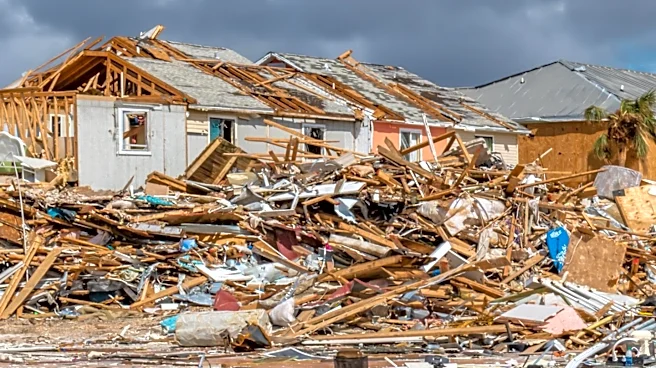
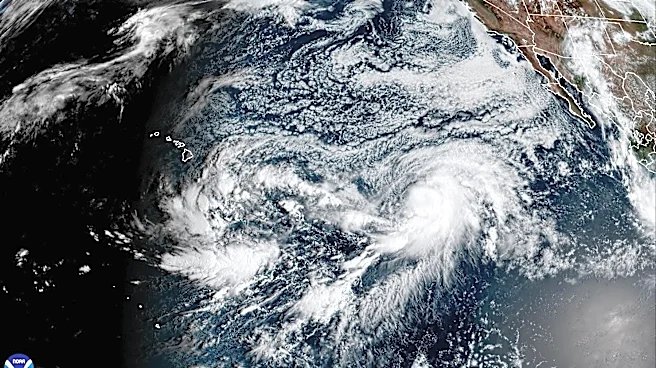
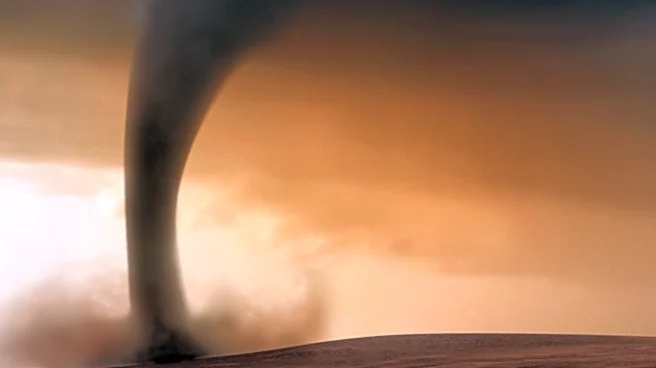
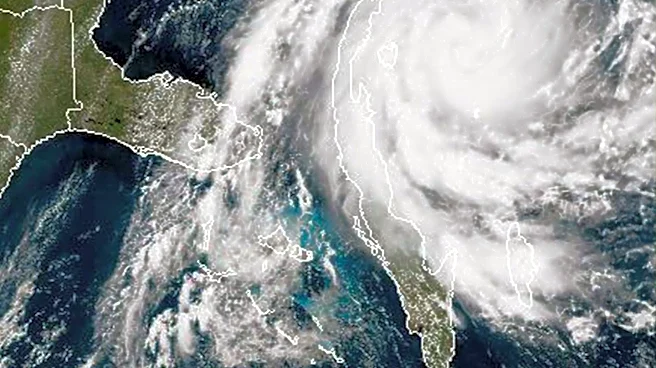
Prediction markets, such as Kalshi and Polymarket, are increasingly offering contracts tied to natural disaster events, including the likelihood of Category 4 hurricanes making U.S. landfall, the number of tornadoes, or the frequency of significant earthquakes.
While these platforms are currently dominated by sports betting, the market for natural disaster predictions is expanding, with hundreds of active weather-based predictions available. Proponents argue that these markets provide a new source of risk information by aggregating the collective beliefs of traders, potentially surfacing insights beyond traditional forecasting models. However, critics, like Jamie Pietruska, associate professor of history at Rutgers University, view this as 'ghoulish' and a 'casualization of catastrophe,' turning human suffering into financial opportunity. The Commodity Futures Trading Commission (CFTC) has the authority to regulate these contracts but has not specifically banned markets related to natural disasters.
Why It's Important?
The expansion of prediction markets into natural disasters introduces a complex ethical and informational dilemma. On one hand, advocates suggest these markets could enhance risk assessment by providing real-time, aggregated data from diverse participants, potentially improving preparedness and response strategies. This could be particularly valuable for industries like insurance and reinsurance, which already price disaster risk through mechanisms like catastrophe bonds. On the other hand, the practice raises significant moral questions about profiting from events that cause widespread suffering, property damage, and loss of life. Senator Alex Padilla (D-CA) has voiced concerns about the potential for 'dangerous incentives' to interfere with or even cause disasters, citing the example of wildfire markets. The debate highlights a tension between the potential for new data sources and the societal implications of financializing human tragedy, impacting public perception of risk and the role of financial markets in disaster management.
What's Next?
The future of natural disaster prediction markets will likely involve continued debate over their ethical implications and regulatory oversight. While platforms like Kalshi currently avoid markets that could incentivize human interference, such as wildfires, the broader question of manipulation and perverse incentives remains. Regulators, particularly the CFTC, may face increasing pressure to clarify their stance and potentially implement stricter guidelines or prohibitions on certain types of disaster-related contracts. The growth of these markets could also attract more institutional investors, further integrating them into the financial landscape of disaster risk management. As extreme weather events become more frequent, the tension between leveraging these markets for information and addressing their ethical challenges will intensify, potentially leading to new legislative efforts or industry self-regulation.
Beyond the Headlines
Beyond the immediate financial and ethical considerations, the rise of natural disaster prediction markets reflects a broader societal trend of financializing various aspects of life, including those traditionally considered outside the realm of market speculation. This development could subtly shift how society perceives and responds to natural catastrophes, potentially moving towards a more data-driven, but also potentially more detached, approach. The 'casualization of catastrophe,' as described by critics, could desensitize the public to the human impact of disasters, focusing instead on probabilities and financial outcomes. This also raises questions about the role of government agencies like FEMA and the privatization of disaster risk management, potentially undermining public trust in traditional institutions responsible for safety and welfare. The long-term implications could include a re-evaluation of what constitutes acceptable financial activity and the boundaries of market influence in areas of public good.