





What's Happening?
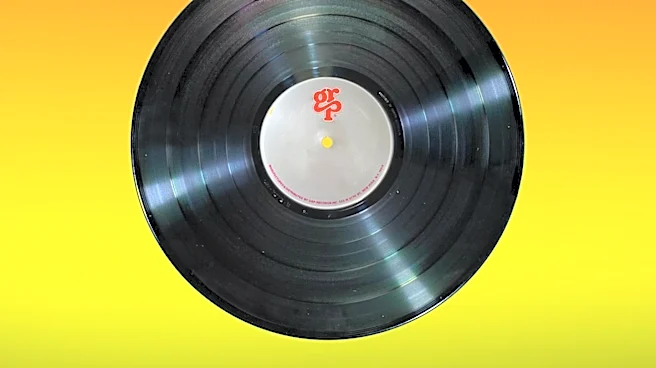
Yasiin Bey's fourth studio album, 'The Ecstatic,' originally released in 2009 under his former moniker Mos Def, has returned to streaming platforms and print after seven years of digital unavailability. The album disappeared from major services like Spotify
and Apple Music a decade after its initial release due to ownership issues. Bey, who has been vocal about the 'exploitative' economics of digital service providers, stated that the album would only return on his terms. It is now exclusively available for streaming on Qobuz and has been reissued in print through Rhymesayers Entertainment. The album is noted for its global musical influences, incorporating Turkish psych-rock, Lebanese fusion, Bollywood playback, Brazilian funk, and classic American soul, alongside hip-hop beats. Its lyrical content often delves into sociopolitical themes, featuring samples from figures like Malcolm X and Fela Kuti.
Why It's Important?
The return of 'The Ecstatic' highlights ongoing discussions within the music industry regarding artist ownership, digital rights, and the economic models of streaming services. Yasiin Bey's decision to remove and then selectively re-release his album underscores a broader artist-led movement challenging the profitability structures that often disadvantage creators. This move could empower other artists to re-evaluate their relationships with major streaming platforms and seek more equitable distribution terms. For fans, the album's re-release provides renewed access to a critically acclaimed work that blends diverse musical traditions with potent sociopolitical commentary, offering a unique cultural and artistic experience. The album's themes of challenging societal norms and exploring global interconnectedness remain relevant, resonating with contemporary discussions on social justice and cultural exchange.
What's Next?
The exclusive streaming availability on Qobuz and the print reissue through Rhymesayers Entertainment suggest a strategic approach to distribution that prioritizes artist control and potentially fairer compensation. This could lead to other artists exploring similar independent or niche platform partnerships for their work. The re-engagement with 'The Ecstatic' may also spark renewed critical analysis and appreciation for its innovative blend of global sounds and sociopolitical messaging. Future developments could include Yasiin Bey continuing to advocate for changes in the digital music landscape, potentially influencing policy discussions or inspiring new artist-centric platforms. The album's re-emergence might also lead to new collaborations or performances, further cementing its legacy and impact on contemporary music.
Beyond the Headlines
Beyond its immediate re-release, 'The Ecstatic' serves as a powerful statement on artistic integrity and the evolving dynamics of the music industry. Bey's critique of 'exploitative' digital economics reflects a growing concern among artists about fair compensation and ownership in the streaming era. The album's rich tapestry of international musical influences and its engagement with sociopolitical issues like capitalism, war, and institutional power offer a profound commentary on global interconnectedness and the role of art in social change. The use of samples from figures like Malcolm X and Fela Kuti embeds the music within a lineage of resistance and activism, suggesting that art can be a potent tool for challenging the status quo. The album's cover art, lifted from Charles Burnett's 'Killer of Sheep,' further emphasizes its connection to narratives of working-class life and cultural identity, highlighting the deeper cultural and ethical dimensions of artistic creation and dissemination.