





What's Happening?
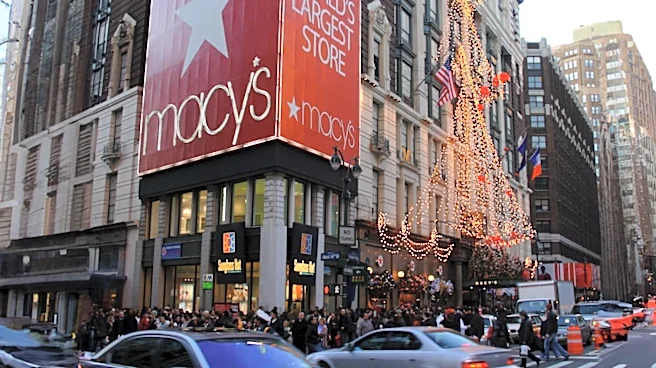
Macy's, a prominent American department store retailer, is strategically advancing its multi-year store fleet reset and emphasizing its premium banners as it enters the crucial holiday shopping period. The company is actively closing underperforming locations
while simultaneously investing in and reimagining its flagship and neighborhood stores to enhance the customer experience. This initiative is part of a broader strategy to adapt to evolving consumer shopping habits, which have shifted towards online channels, off-price formats, and specialty merchants. Macy's aims to create a leaner, more efficient, and more appealing collection of stores. The retailer's premium banners, including a luxury department store chain and a beauty-focused specialty format, are also being highlighted to attract a wider range of gift shoppers with varying budgets. These efforts are designed to test the traction of Macy's revitalization strategy during the busiest retail season of the year.
Why It's Important?
This strategic pivot by Macy's is significant for the broader U.S. retail landscape, particularly for traditional department stores facing intense competition. The success or failure of Macy's store reset and premium banner focus during the holiday season will serve as a key indicator of the viability of such transformation efforts in the sector. A positive outcome could signal a potential path for other legacy retailers to regain market share and relevance. Conversely, if the strategy falters, it could underscore the persistent challenges faced by department stores in adapting to modern consumer demands. The emphasis on luxury and beauty banners also highlights a broader trend in retail where companies are diversifying their offerings to capture spending from different demographic segments, especially those less impacted by economic fluctuations. This move could influence how other retailers structure their brand portfolios and store formats to maximize profitability and customer engagement.
What's Next?
As the holiday gifting weeks unfold, the immediate focus will be on consumer response to Macy's reimagined stores and the performance of its luxury and beauty banners. The company's upcoming quarterly update is expected to provide initial insights into how these strategies are translating into sales and customer engagement. Stakeholders, including investors, competitors, and industry analysts, will closely monitor these results to gauge the effectiveness of Macy's 'bold new chapter' reset. Depending on the holiday performance, Macy's may accelerate or adjust its store closure and renovation plans. Competitors will likely observe Macy's strategies to inform their own approaches to store modernization and brand differentiation. The broader retail sector will also be watching to see if Macy's can successfully revitalize the department store model, potentially influencing future investment and strategic decisions across the industry.
Beyond the Headlines
Beyond the immediate sales figures, Macy's transformation reflects deeper shifts in consumer behavior and the retail industry's ongoing evolution. The move to a 'sharper, smaller, and better-run' collection of stores signifies a recognition that physical retail spaces must offer more than just products; they need to provide curated experiences and efficient service. The emphasis on premium banners also points to a growing bifurcation in the market, where consumers are either seeking value or luxury, leaving less room for undifferentiated middle-market offerings. This strategy could lead to a long-term redefinition of what a department store represents in the American retail landscape, moving away from sprawling general merchandise hubs to more specialized, experience-driven destinations. The success of Macy's in leveraging its brand heritage while embracing modern retail trends could set a precedent for how traditional brands navigate the complexities of the digital age and evolving consumer expectations.