


What's Happening?
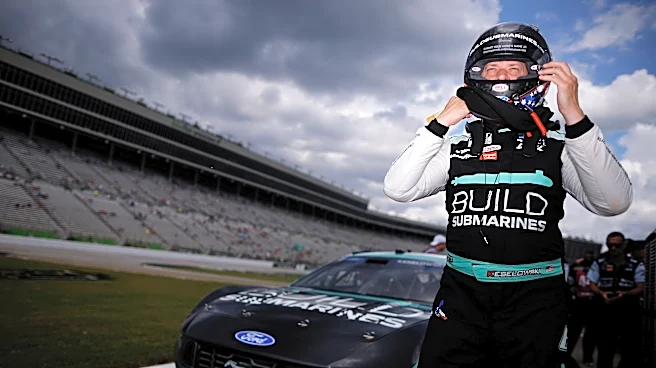
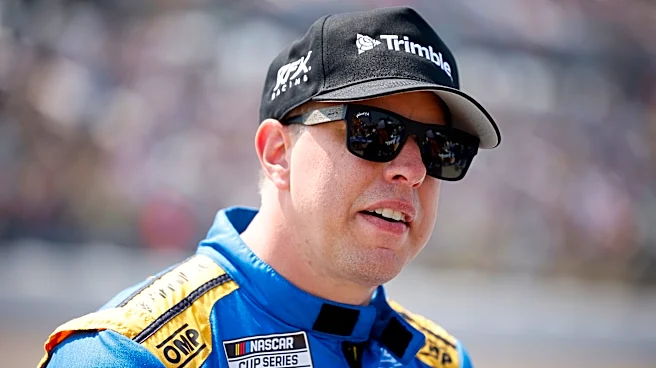
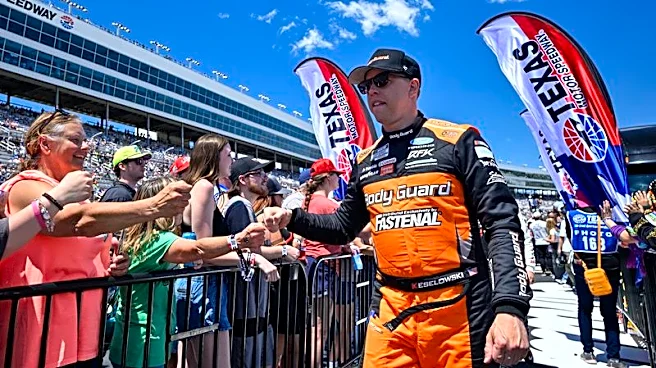
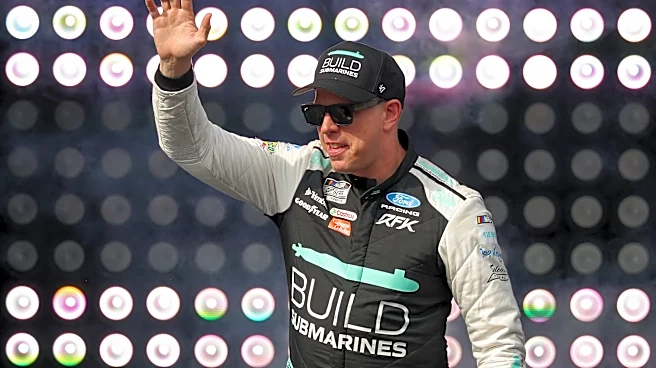
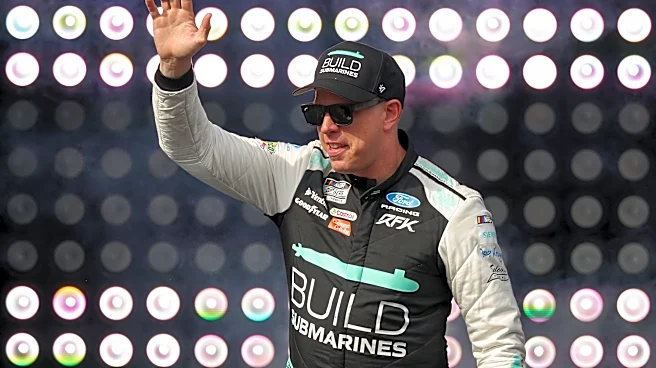
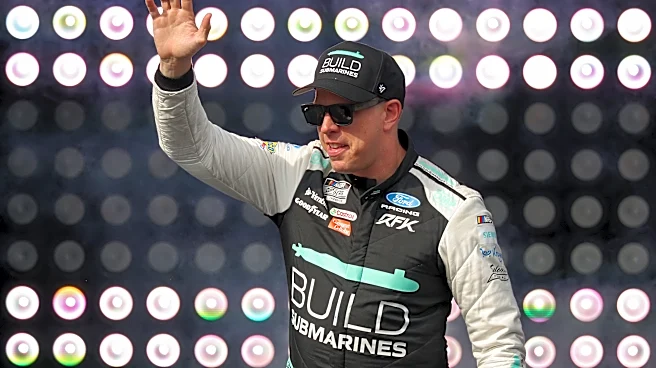
Fenway Sports Group (FSG), a global sports, marketing, media, entertainment, and real estate company, will continue its ownership of RFK Racing after Brad Keselowski's departure from the No. 6 Ford following the 2026 NASCAR Cup Series season. Keselowski,
who served as a driver, co-owner, and head of competition, is working with the team to sort out his ownership interest. Despite this change, RFK Racing announced its intention to remain a three-car Cup operation in 2027 and is actively seeking a third charter. John W. Henry is the founder and principal owner of Fenway Sports Group and also serves as a director of RFK Racing. FSG's involvement in NASCAR dates back to 2007 when it purchased a 50% stake in Roush Racing, forming Roush Fenway Racing. This partnership predates Keselowski's arrival in 2021, which temporarily changed the team's name to Roush Fenway Keselowski Racing. FSG's extensive sports portfolio includes the Boston Red Sox, which it acquired in 2002, and Liverpool Football Club, which it added in 2010. The company has also expanded into other areas such as PGA Tour Enterprises and Boston Common Golf.
Why It's Important?
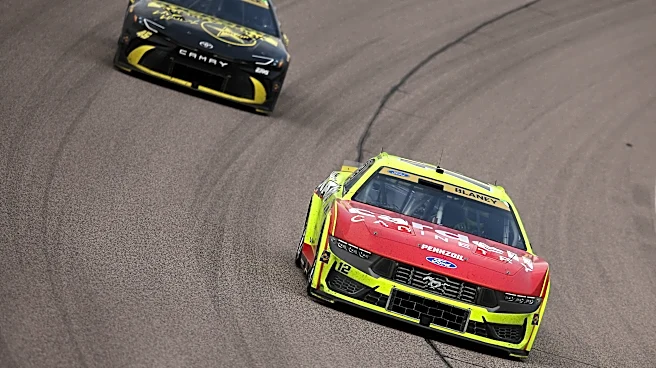
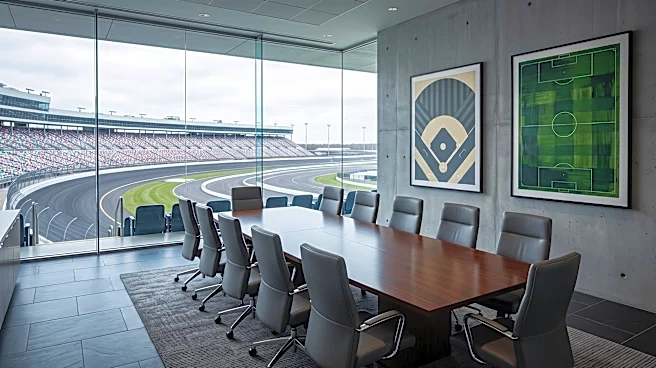
The continued commitment of Fenway Sports Group to RFK Racing underscores the significant investment and long-term vision that major sports ownership groups bring to NASCAR. FSG's diverse portfolio, spanning baseball, soccer, and now golf, highlights a trend of cross-sport ownership, which can introduce new business strategies and marketing opportunities to traditional racing. For NASCAR, having a well-established and financially robust entity like FSG as a key owner helps stabilize the sport's ecosystem, particularly in an era where team financial health and charter values are critical. The decision to maintain a three-car operation signals confidence in RFK Racing's future competitiveness and growth potential, which is vital for attracting sponsors, talent, and maintaining fan engagement. This stability is crucial for the sport's overall health and its ability to compete for viewership and commercial partnerships in the broader U.S. sports landscape. The integration of marketing efforts, such as the Liverpool FC paint scheme on a NASCAR car, demonstrates innovative approaches to cross-promotion that can expand the reach of both the team and the sport.
What's Next?
RFK Racing will be focused on identifying a new driver for the No. 6 Ford and a new head of competition following Keselowski's departure. The team also needs to finalize the arrangements regarding Keselowski's ownership stake. A key objective for RFK Racing is to secure a third charter to support its ambition of fielding three Cup cars in the 2027 season. This pursuit will involve negotiations and strategic planning within the NASCAR framework. Fenway Sports Group's continued oversight will likely involve leveraging its broader network and resources to ensure RFK Racing remains competitive and financially sound. The team's performance in the upcoming seasons will be closely watched as it navigates these changes, with potential implications for its standing in the NASCAR Cup Series and its ability to attract top-tier talent and sponsorship. The long-term strategy of FSG in NASCAR will also be observed, particularly how it integrates its racing assets with its other global sports properties.
Beyond the Headlines
Fenway Sports Group's enduring presence in NASCAR, despite changes in team personnel and structure, reflects a broader trend of consolidation and diversification within the sports ownership landscape. This approach allows for shared resources, cross-promotional opportunities, and a more robust financial foundation for individual sports entities. The 'F' in RFK Racing, representing Fenway, signifies more than just an investment; it represents a strategic integration into a larger sports empire. This model can lead to increased professionalism and business acumen within sports like NASCAR, which traditionally had more independent, family-owned operations. The ability to draw on expertise from different sports, such as the Boston Red Sox and Liverpool FC, could introduce new analytical methods, fan engagement strategies, and commercial partnerships to stock car racing. This interconnectedness could also influence how talent is developed and managed across different sports, potentially creating new pathways for athletes and executives within the FSG ecosystem. The long-term impact could be a more globally recognized and commercially sophisticated NASCAR, benefiting from the broader reach and influence of its parent company.