





What's Happening?
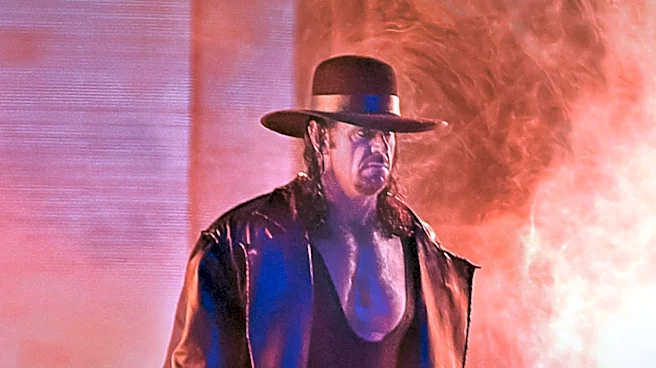
WWE Hall of Famer The Undertaker, in a discussion with Paul Heyman on 'Six Feet Under,' reflected on the concussion he sustained during his WrestleMania 30 match against Brock Lesnar in April 2014. The Undertaker stated that he has no memory of the match,
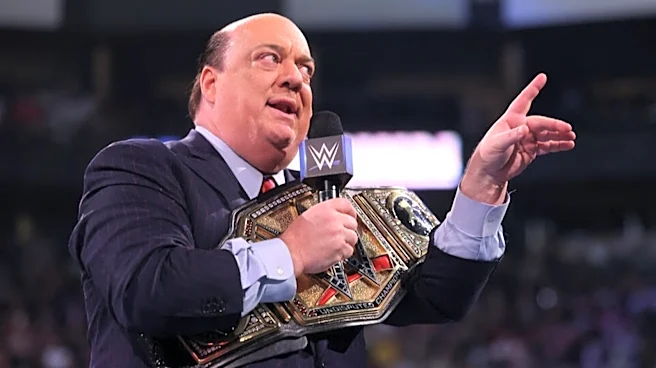
with his last recollection from that day being around 2 PM, hours before the event. He attributes the concussion, not to a single severe bump, but to his body being less accustomed to the trauma of wrestling due to a limited schedule late in his career. Paul Heyman supported this perspective, suggesting that the cumulative impact of numerous hits throughout The Undertaker's extensive career likely contributed to his vulnerability. Heyman drew a parallel to a conversation with Ronda Rousey, who indicated that an earlier accident made her susceptible to being knocked out by certain impacts. The Undertaker's memory did not return until the following morning, and he only recognized his wife and Vince McMahon while hospitalized.
Why It's Important?
This discussion sheds light on the long-term physical toll professional wrestling can take on athletes, particularly concerning head injuries. The Undertaker's experience highlights the potential for cumulative trauma, even from seemingly less impactful events, when a body is no longer conditioned for regular physical stress. This perspective is crucial for understanding athlete welfare in high-impact sports and could influence training regimens, recovery protocols, and retirement considerations within the wrestling industry. The lack of memory surrounding a major career event like WrestleMania 30 underscores the severity of concussions and their immediate and lasting effects on individuals. For fans, it provides a deeper, more personal insight into the sacrifices made by performers and the inherent risks of the sport, potentially fostering greater empathy and awareness regarding athlete health.
What's Next?
The ongoing dialogue about concussions and long-term health in professional wrestling is likely to continue influencing WWE's policies and medical protocols. As more former and current wrestlers share their experiences, there may be increased pressure for the industry to further invest in research, preventative measures, and support systems for athletes dealing with head trauma. This could lead to stricter guidelines for in-ring performance, enhanced post-concussion care, and potentially changes in how veteran performers are utilized to minimize risk. The insights from figures like The Undertaker and Paul Heyman serve as valuable contributions to this evolving conversation, potentially shaping future approaches to athlete safety and well-being within WWE and similar sports entertainment organizations.
Beyond the Headlines
The conversation between The Undertaker and Paul Heyman delves into the broader ethical considerations surrounding athlete safety in entertainment-driven sports. It raises questions about the balance between athletic performance, entertainment value, and the long-term health of performers. The idea that cumulative 'dings' rather than a single 'nuclear hit' can lead to severe injury highlights the insidious nature of chronic trauma. This has implications beyond wrestling, extending to other contact sports where athletes endure repeated impacts over years. The personal account of memory loss and the struggle for recovery humanizes the often-glamorized world of professional sports, prompting a deeper reflection on the responsibilities of organizations to protect their talent and the societal value placed on athletic spectacle versus individual well-being. It also underscores the psychological impact of such injuries, as The Undertaker's confidence was affected even a year later.