


What's Happening?
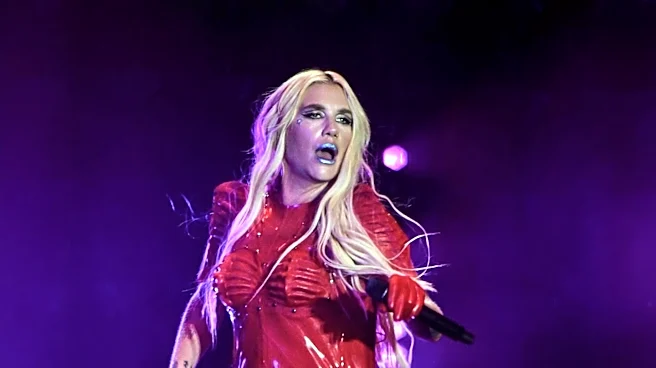
On October 26, 2026, pop artist Kesha officially released the music video for her song “Backstabber,” a track from her 2010 debut album, *Animal*. The video was originally filmed in 2009 with friends, showcasing a DIY aesthetic with glitter-bombed visuals.
Despite being created 16 years ago, the video had remained unreleased until now. Kesha expressed her surprise and relief on social media, indicating that she had been attempting to release the video for years without success. She described the video as an authentic representation of her life before her rise to fame, filmed in downtown Los Angeles near where she worked part-time. The song “Backstabber” was initially intended to be a single, but her solo debut ultimately became “TiK ToK,” followed by other successful singles like “Blah Blah Blah,” “Your Love Is My Drug,” and “Take It Off.”
Why It's Important?
The release of Kesha's "Backstabber" music video is significant for several reasons, particularly for her fanbase and the broader music industry. For fans, it offers a rare glimpse into the artist's early career and creative process, showcasing a more raw and unpolished side of her artistry before the pressures of mainstream success. This release provides a nostalgic look at the "dollar sign-era" Ke$ha, which resonates with those who followed her career from its inception. More broadly, the delayed release, coupled with Kesha's hints about the obstacles she faced, underscores the complex dynamics and potential control issues artists can encounter within the music industry. While she did not explicitly state the reasons for the 16-year delay, it implicitly raises questions about artist autonomy and the challenges of bringing creative works to the public, especially in cases where legal or contractual disputes might be at play. The event highlights the enduring power of an artist's vision and the eventual triumph of creative expression over prolonged impediments.
What's Next?
Following the release of the "Backstabber" music video, attention will likely turn to any further explanations Kesha might offer regarding the 16-year delay. While she has hinted at a "longggg storyyyyyyy" and declined to elaborate further, the public and media may continue to speculate on the reasons, particularly in light of her past legal battles with Dr. Luke, which concluded with a settlement in 2023. Fans will be eager to see if this release signals a new phase of openness or a re-engagement with her earlier artistic periods. The video's debut could also inspire other artists who have faced similar challenges in releasing their work, potentially encouraging more transparency within the industry regarding creative control and contractual obligations. Future discussions might revolve around the implications of such long-delayed releases on an artist's narrative and legacy, and whether this event will pave the way for more archival content from other artists to see the light of day.
Beyond the Headlines
The delayed release of Kesha's "Backstabber" music video transcends a simple archival drop, touching upon deeper themes of artistic control, industry power dynamics, and the evolution of an artist's public persona. The 16-year gap between creation and release, coupled with Kesha's cryptic remarks, highlights the often-invisible struggles artists face in bringing their vision to the public. This situation implicitly raises questions about the ethical responsibilities of record labels and management in supporting, or potentially hindering, an artist's creative output. It also underscores the long-term impact of legal and contractual disputes on an artist's career and mental well-being, even years after their resolution. Furthermore, the video's DIY nature and its contrast with her later polished image offer a cultural commentary on authenticity versus commercialization in the music industry. It prompts reflection on how artists navigate the tension between their raw, early artistic impulses and the demands of mainstream success, and how these experiences shape their identity and relationship with their audience over time.