





What's Happening?
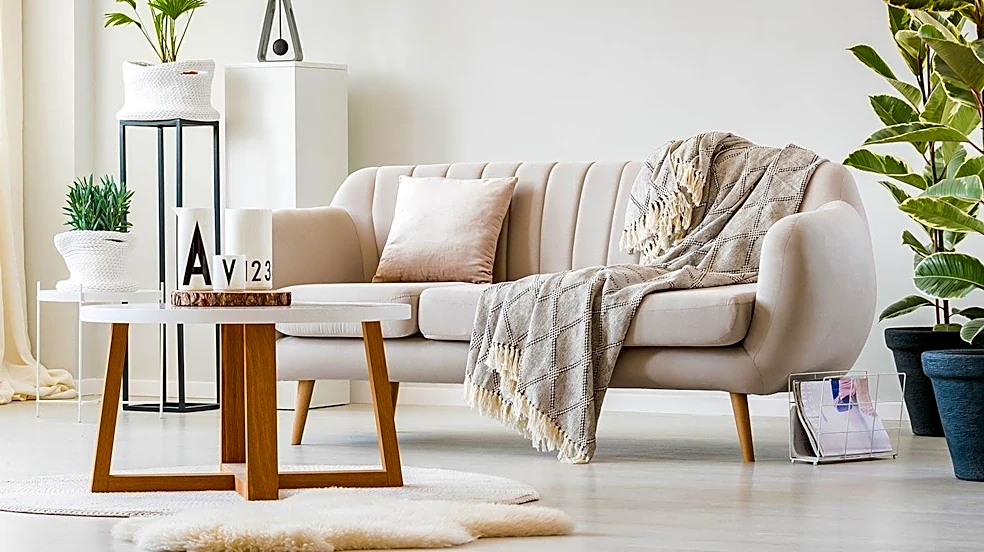
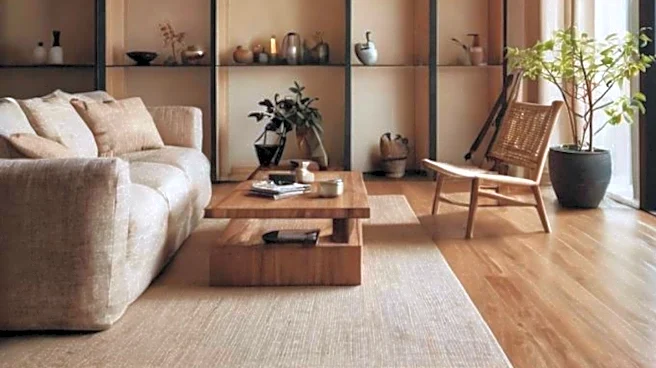
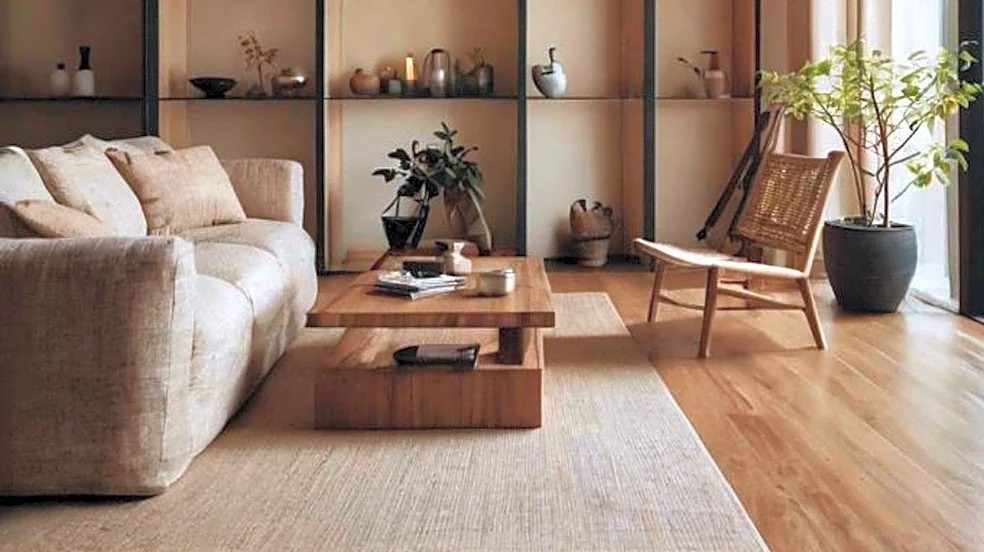
Japandi style is gaining prominence as a minimalist interior design approach that fuses Scandinavian and Japanese aesthetics. This multi-cultural design philosophy emphasizes natural materials, uncluttered sightlines, and ample daylight to create serene
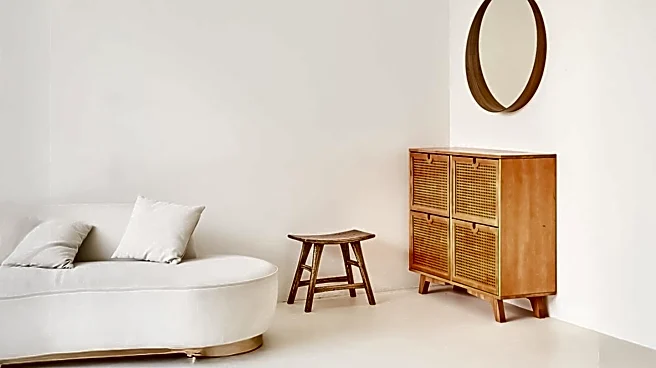
and organized living spaces. It is particularly well-suited for compact areas, focusing on low-profile furniture, concealed storage, clean lines, and minimal clutter to enhance the feeling of openness in smaller rooms. The core of Japandi style lies in combining the Danish concept of 'hygge,' which signifies coziness and comfort, with the Japanese philosophy of 'wabi-sabi,' which finds beauty in natural imperfections. This results in intentional spaces that prioritize craftsmanship, natural elements, and visual tranquility. Design principles from the Royal Institute of British Architects support the idea that natural materials, clear sightlines, and generous daylight are crucial for human well-being indoors, aligning perfectly with the Japandi ethos.
Why It's Important?
The rise of Japandi style reflects a broader societal shift towards intentional living and well-being, impacting the interior design and home furnishings industries. This trend offers a solution for urban dwellers and those with smaller living spaces, providing design principles that maximize perceived space and promote a sense of calm. For consumers, it offers an aesthetic that is both functional and visually appealing, moving away from excessive ornamentation towards thoughtful curation. Businesses in furniture manufacturing, home decor, and architectural design are adapting to this demand by producing pieces that align with Japandi principles, such as low wooden bed frames, minimalist window treatments, and neutral palettes with high-contrast accents. The emphasis on natural materials and craftsmanship also supports sustainable practices, potentially influencing supply chains and material sourcing within the industry. This design philosophy encourages a more mindful approach to consumption, where quality and longevity are prioritized over fleeting trends.
What's Next?
As the Japandi style continues to gain traction, expect to see a further integration of its principles into mainstream interior design and retail offerings. Furniture manufacturers are likely to expand their collections of low-profile beds, broad coffee tables, and compact lounge chairs that embody the grounded stance and material character central to Japandi. Home decor retailers will likely feature more handcrafted ceramic vessels, natural fiber textiles, and subtle botanical accents. There may also be an increased focus on educational content for consumers, guiding them on how to effectively blend Scandinavian and Japanese elements in their homes, particularly in smaller spaces. Architects and interior designers will continue to incorporate Japandi elements into their projects, especially in residential and hospitality sectors, to create calming and functional environments. The emphasis on natural light and uncluttered spaces could also influence future building designs, promoting healthier and more serene living conditions.
Beyond the Headlines
Beyond its aesthetic appeal, Japandi style carries deeper implications for lifestyle and well-being. The integration of 'hygge' and 'wabi-sabi' philosophies encourages a mindful approach to daily living, fostering an appreciation for simplicity, authenticity, and the beauty of imperfection. This can lead to a reduction in consumerism, as the focus shifts from accumulating possessions to investing in quality, functional items that age gracefully. Ethically, the emphasis on natural and sustainably crafted pieces promotes responsible sourcing and production, potentially driving demand for eco-friendly materials and ethical labor practices in the design industry. Culturally, Japandi represents a harmonious blend of Eastern and Western design philosophies, highlighting the universal human desire for comfort, tranquility, and connection to nature. This cross-cultural exchange in design can inspire further innovation and appreciation for diverse aesthetic traditions, influencing not just interiors but also broader cultural perceptions of beauty and functionality.