



What's Happening?
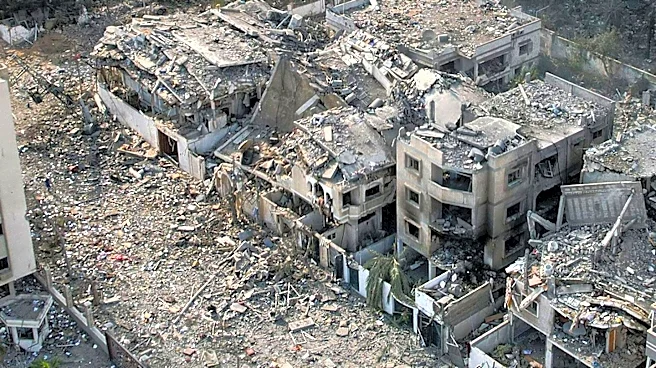
Pop star Pink has addressed the backlash she received after reposting a critique of Macklemore's pro-Palestine remarks made during his opening sets for Ed Sheeran's Loop Tour in New Jersey. Macklemore had chanted 'free Palestine' and displayed war-related
imagery, which Pink found concerning. In an Instagram statement, Pink clarified that while she reposted someone else's words, she did so out of hurt and fear as a Jewish woman. She emphasized that she does not speak for Israel or any government, but believes Hamas is a terrorist organization and that Palestinians deserve a future honoring their humanity. Pink also highlighted her decade-long work as a UNICEF ambassador, advocating for children affected by war globally. She recalled a 2014 incident where Macklemore wore a costume widely criticized as antisemitic, which he later apologized for. Pink stated that her concern stemmed from Macklemore's recent actions in front of a stadium audience, which she felt dismissed the fears of Jewish attendees.
Why It's Important?
This incident underscores the increasing tension and polarization surrounding the Israeli-Palestinian conflict, particularly within the entertainment industry and public discourse in the U.S. Pink's statement highlights the complexities faced by public figures who attempt to navigate such sensitive geopolitical issues, often leading to misinterpretations and intense scrutiny on social media. The controversy also brings to light the differing perspectives on freedom of speech versus the potential for remarks to be perceived as antisemitic or insensitive. The involvement of the Israeli-American Council (IAC) in launching a petition against Macklemore demonstrates how advocacy groups are actively engaging to influence public opinion and professional opportunities for artists based on their political stances. This situation reflects a broader societal challenge in fostering constructive dialogue on deeply divisive topics, especially when personal identities and historical grievances are intertwined with political statements.
What's Next?
The controversy is likely to continue generating discussion among fans, advocacy groups, and within the music industry. Macklemore has already reiterated his stance, stating that 'wanting all humans to be treated equal should never be controversial.' The petition by the Israeli-American Council calling for his removal from upcoming Ed Sheeran tour dates could gain further traction, potentially impacting his future performance opportunities. Other artists and public figures may be prompted to either take a more definitive stance on the conflict or exercise greater caution in their public statements to avoid similar backlashes. The incident also serves as a reminder of the enduring power of social media to amplify both support and criticism, shaping public perception and potentially influencing careers. The broader conversation about the role of artists in political activism and the boundaries of acceptable discourse on sensitive topics will likely persist.
Beyond the Headlines
This event delves into the deeper implications of identity politics and freedom of expression in the digital age. Pink's statement, particularly her emphasis on being a 'Jewish mom' and her fear, highlights the personal and emotional toll that geopolitical conflicts can have on individuals, even those far removed from the direct conflict zones. It also raises questions about the responsibility of artists when using their platform for political commentary, especially regarding issues with profound historical and religious significance. The rapid spread of information and opinion on social media, as Pink noted, can lead to quick judgments and mischaracterizations, making nuanced discussions challenging. The incident also touches upon the concept of 'cancel culture' and the pressure on public figures to align with certain viewpoints, or face significant professional and reputational consequences. This ongoing debate reflects a societal struggle to balance advocacy, empathy, and the right to express diverse opinions without inciting hatred or fear.