




What's Happening?
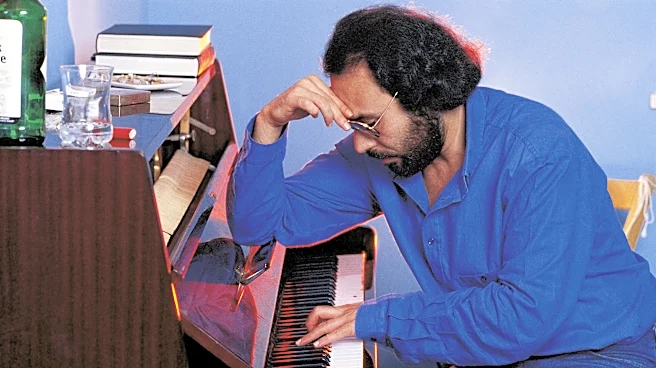
The film 'The Only Living Pickpocket in New York,' a nostalgic crime drama, features a score composed by Gary Lionelli. The movie, written and directed by Noah Segan, stars John Turturro as an aging pickpocket in New York City. Lionelli's score is described
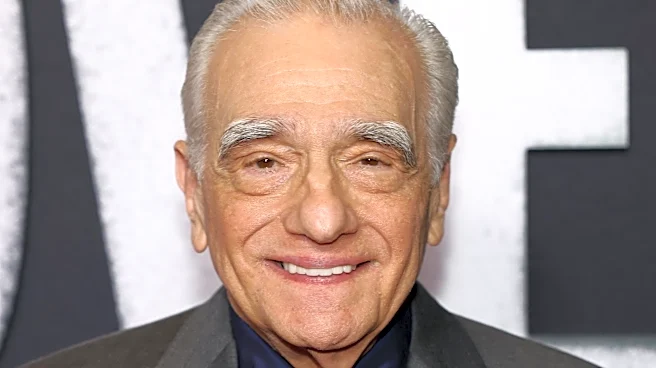
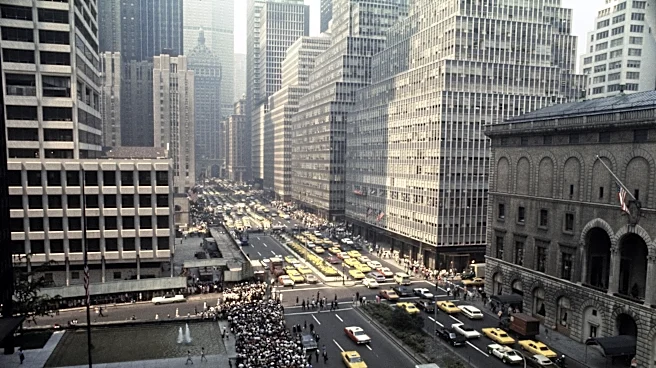
as combining the brassy, rhythmically sophisticated sound of 1970s crime thrillers with jazz-funk influences, reminiscent of composers like Bernard Herrmann and Isaac Hayes. The film aims to recall the gritty, character-driven New York movies of the 1970s, drawing comparisons to the works of filmmakers such as Sidney Lumet and Martin Scorsese. The score, which includes tracks like 'Back to the Bronx' and 'The Last Payphone in New York,' seeks to capture both the protagonist's desperate situation and his affection for a changing city.
Why It's Important?
Gary Lionelli's score for 'The Only Living Pickpocket in New York' is significant for its deliberate evocation of a specific era and genre in American cinema. By channeling the musical styles of 1970s New York crime dramas, the score plays a crucial role in establishing the film's atmosphere and thematic depth. This approach helps to immerse the audience in the film's nostalgic portrayal of a disappearing New York, where traditional criminal skills are becoming obsolete. The music's blend of jazz-funk and emotional sincerity not only supports the narrative but also serves as a 'love letter to old New York,' highlighting the cultural and historical context of the story. For film music enthusiasts, it represents a contemporary effort to revive and honor a classic cinematic sound.
What's Next?
The film's release and the critical reception of its score could contribute to a renewed appreciation for jazz-infused crime drama soundtracks in contemporary cinema. If 'The Only Living Pickpocket in New York' gains traction, particularly for its evocative score, it might encourage other filmmakers to explore similar musical aesthetics that pay homage to classic American film genres. This could lead to more opportunities for composers like Lionelli, who are adept at blending historical influences with modern sensibilities. The score's ability to convey both the grittiness of urban life and the emotional core of its characters could also influence future approaches to film scoring in character-driven narratives.
Beyond the Headlines
The score for 'The Only Living Pickpocket in New York' delves into the broader cultural implications of urban change and the fading of traditional ways of life. The film's central preoccupation with 'the city’s disappearing traditions' is mirrored in Lionelli's musical choices, which evoke a bygone era. This artistic decision highlights how music can serve as a powerful tool for social commentary, reflecting on themes of nostalgia, obsolescence, and the human struggle against an evolving world. The score's blend of diverse musical influences also speaks to the rich, multicultural tapestry of New York City, suggesting that even in decline, there is a vibrant, complex identity worth preserving and celebrating through art.