
What's Happening?
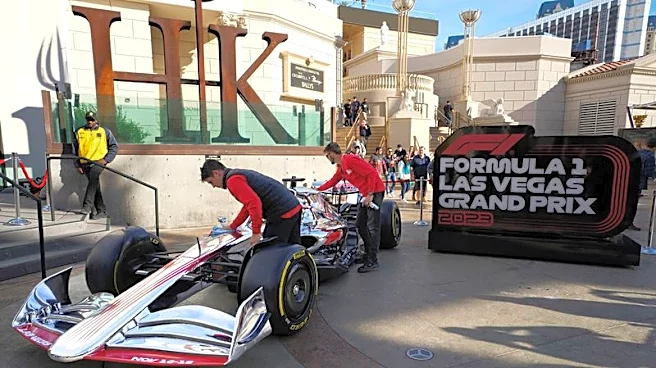
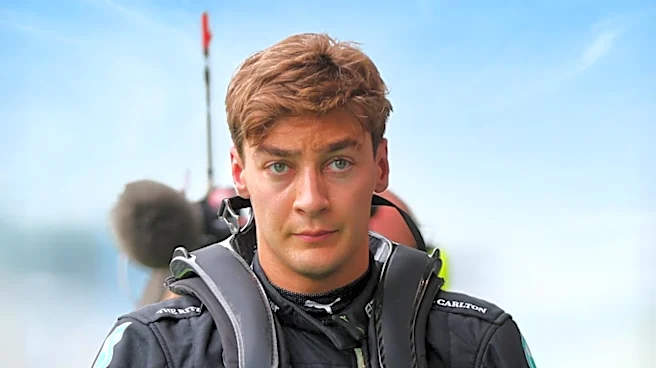
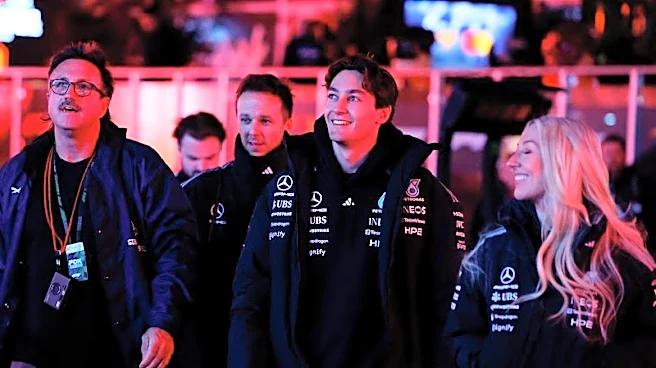
Pierre Gasly, driving for Alpine F1, achieved the second-fastest lap time during the rain-affected Free Practice 2 (FP2) at the 2026 FIA Formula 1 Las Vegas Grand Prix. Gasly's time of 1:47.343 placed him just 0.071 seconds behind Mercedes driver George
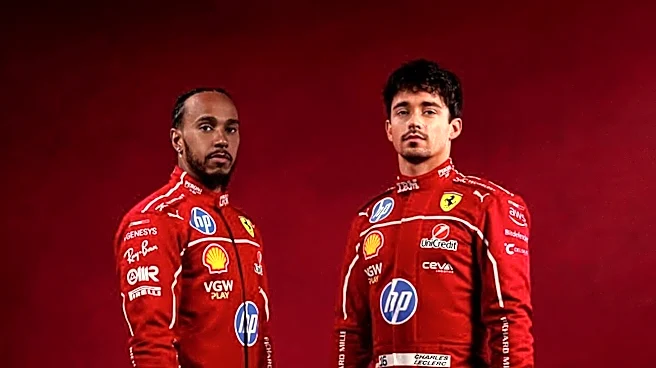
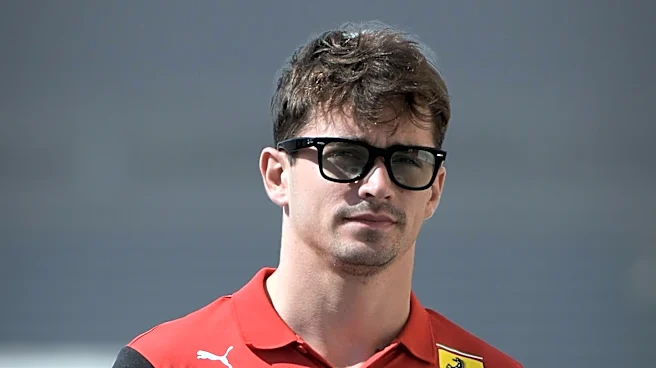
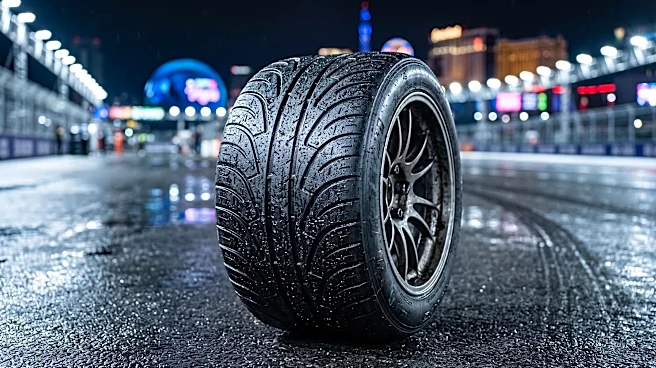
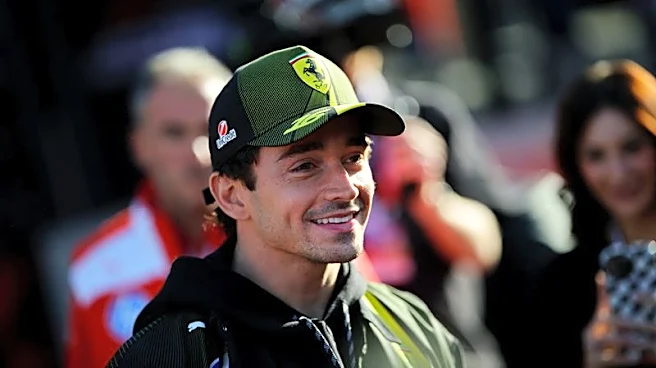
Russell, who topped the session with a 1:47.272. Ferrari's Charles Leclerc finished third, three-tenths of a second behind Russell. The session marked the first significant track running of the weekend, as Free Practice 1 (FP1) saw limited activity due to heavy rain and a slippery track, preventing any representative lap times from being set. Drivers initially started FP2 on full wet tires before transitioning to intermediates as a drying line emerged on the circuit. Despite the damp and cold conditions, Gasly made a late improvement to secure his second-place position, demonstrating strong performance in challenging circumstances.
Why It's Important?
Gasly's strong showing in FP2 is significant as it indicates Alpine's potential competitiveness in wet or mixed conditions, which can often level the playing field in Formula 1. Achieving a top-two position in a practice session, especially one affected by adverse weather, can boost team morale and provide valuable data for race strategy. For Gasly personally, this performance highlights his skill in adapting to difficult track conditions and could be a confidence builder for the remainder of the Grand Prix weekend. While practice results don't always translate directly to qualifying or race performance, a strong showing suggests that Alpine has found a good setup for the Las Vegas circuit, particularly if similar weather conditions persist. This could allow them to challenge more established front-running teams, potentially leading to an unexpected result in the upcoming sessions.
What's Next?
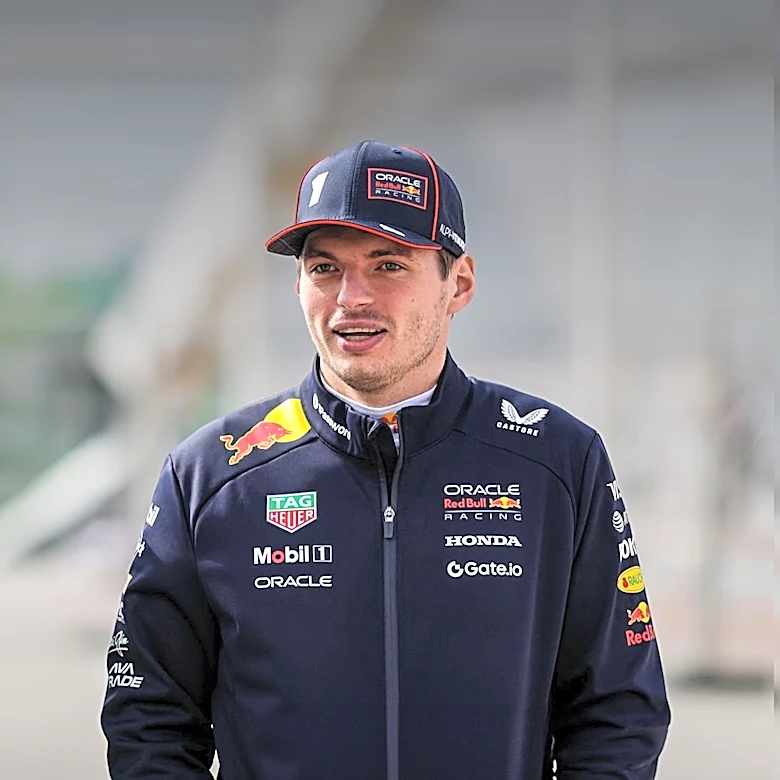
Following the rain-affected practice sessions, teams will analyze the data gathered to optimize their car setups for the anticipated dry conditions in qualifying and the race. Drivers will focus on understanding tire degradation and performance across different compounds on the unique Las Vegas street circuit. For Pierre Gasly and Alpine, the next step involves translating this practice pace into a strong qualifying performance. The team will aim to fine-tune their car to maintain competitiveness, especially if the track dries out completely. Competitors like Mercedes and Ferrari will also be looking to consolidate their positions, while teams like Red Bull, which experienced issues with Max Verstappen's car in FP2, will be working to resolve any technical problems to ensure their drivers can compete at the front. The focus will now shift to qualifying, where grid positions for the main race will be determined.
Beyond the Headlines
Gasly's performance in these challenging conditions underscores the importance of driver skill and adaptability in Formula 1, particularly on new or unfamiliar circuits like Las Vegas. The unpredictable weather often creates opportunities for teams and drivers who might not typically contend for top positions in dry conditions. This can lead to more exciting and less predictable racing, which is beneficial for the sport's overall appeal. Furthermore, the early struggles with grip and the impact of cold temperatures highlight the unique challenges of racing in Las Vegas, a city not traditionally associated with motorsport. The ability of drivers and engineers to quickly understand and react to these novel environmental factors will be crucial for success throughout the Grand Prix weekend, potentially influencing future circuit designs and operational considerations for urban races.