







What's Happening?
Wood Mackenzie has released a report indicating that the era of low-cost U.S. natural gas, particularly at the Henry Hub, is coming to an end. The consultancy forecasts that prices will approach $5 per million British thermal units (MMBtu) by 2035, a significant
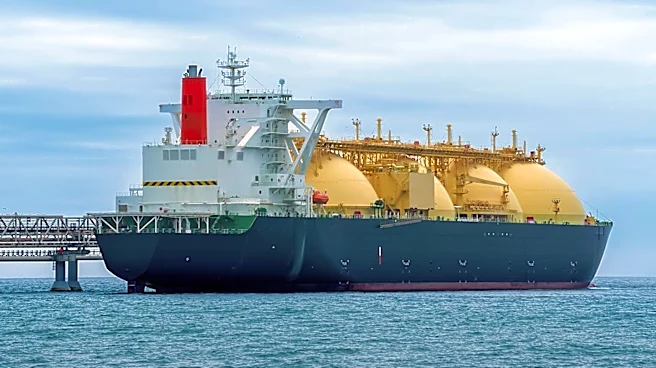
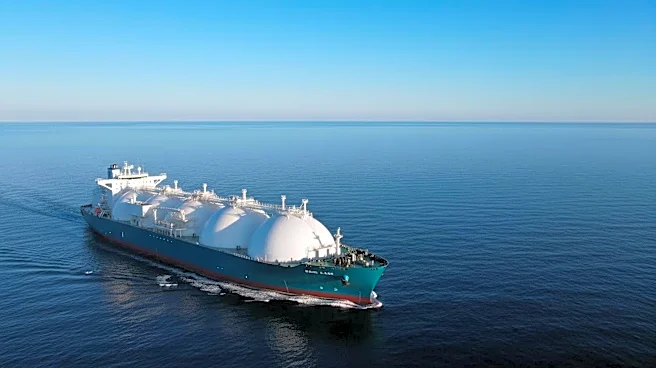
increase from the $2-$4/MMBtu range that has been typical over the past decade. This shift is attributed to several factors, including sustained growth in liquefied natural gas (LNG) exports, increased demand for gas-fired power driven by AI data centers, and slowing productivity gains in major U.S. gas plays. The report highlights that the U.S. power sector will require an additional 17 billion cubic feet per day (Bcfd) of natural gas by the mid-2030s. Additionally, U.S. LNG export capacity is expected to more than double, potentially allowing the country to supply over one-third of global LNG volumes by the early 2030s.
Why It's Important?
The anticipated rise in Henry Hub gas prices has significant implications for various stakeholders in the U.S. energy sector. For upstream operators and LNG developers, the changing price dynamics will necessitate strategic adjustments, particularly in negotiating long-term supply agreements. The increased demand for natural gas, driven by both domestic power needs and international LNG markets, could lead to higher energy costs for consumers and industries reliant on natural gas. Furthermore, the shift from a supply-driven market to one influenced by demand underscores the need for investment in infrastructure and technology to enhance production efficiency and meet growing energy needs. This development also highlights the critical role of natural gas in the transition to renewable energy, as it continues to complement renewable generation.
What's Next?
As the U.S. natural gas market evolves, stakeholders will need to adapt to the new pricing environment. Upstream operators may focus on optimizing production from existing fields and exploring new technologies to enhance efficiency. LNG developers will likely prioritize expanding export capacity to capitalize on growing global demand. Policymakers and regulators may also play a role in facilitating infrastructure development and ensuring a stable energy supply. Additionally, the energy sector may see increased investment in renewable energy sources as part of a broader strategy to diversify energy portfolios and mitigate the impact of rising natural gas prices.