
What's Happening?
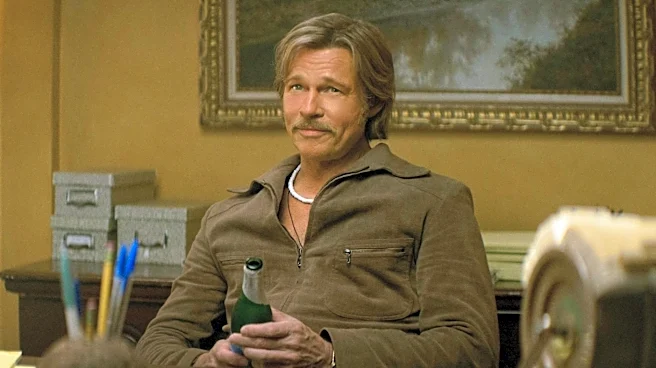
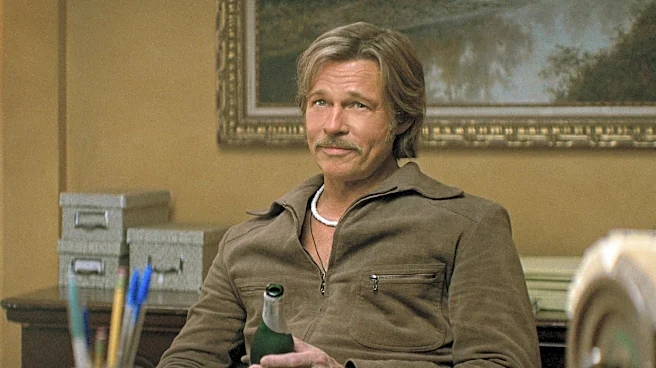
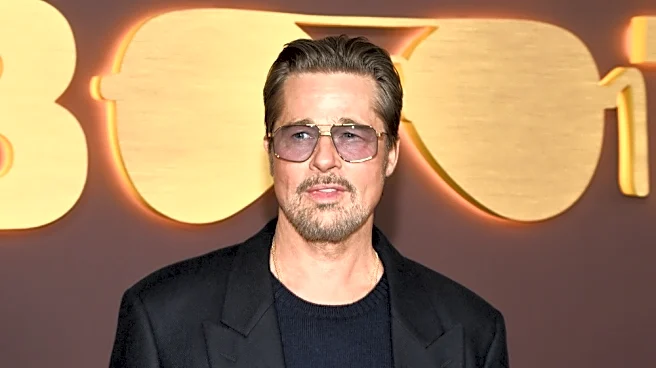
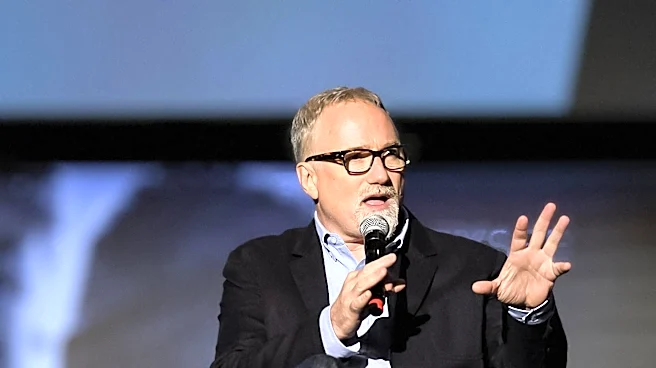
A new film, 'The Further Mis-Adventures of Cliff Booth,' a sequel to 'Once Upon a Time in Hollywood,' has been released, with David Fincher directing Quentin Tarantino's screenplay. The movie, set in the summer
of 1977, follows Brad Pitt reprising his role as Cliff Booth, a stuntman who navigates various gigs across Los Angeles, including slinging margaritas, running a film projector, and participating in demolition derbies. Booth's primary activity involves solving 'illegal problems' for his Hollywood associates, such as recovering a stolen Oscar and thwarting hitmen. The film is characterized by Tarantino's signature extensive dialogue and narrative detours, but Fincher's direction provides a more focused and fast-paced experience. The narrative continues to explore Booth's character, including his past as a wife-murderer, a detail confirmed by Tarantino in the novelization of the previous film. The movie is described as a 'hangout movie' that prioritizes atmosphere and character 'vibes' over a strong plot or deeper meaning.
Why It's Important?
This film's release is significant for the entertainment industry as it represents a collaboration between two prominent filmmakers, Quentin Tarantino and David Fincher, on a sequel to a critically acclaimed movie. The review highlights a recurring debate within film criticism regarding the balance between artistic merit and audience enjoyment, particularly with the characterization of movies as 'hamburgers'—enjoyable but ultimately meaningless. The film's portrayal of Cliff Booth, a charismatic yet morally ambiguous character, raises questions about audience likability and the industry's treatment of individuals with problematic pasts. The movie's approach to storytelling, emphasizing 'vibe-coded' narratives over traditional plot progression, reflects a trend in contemporary filmmaking that challenges conventional expectations of narrative structure and character development. Its release strategy, premiering in IMAX theaters before a Netflix streaming release, also underscores evolving distribution models in the film industry.
What's Next?
The film 'The Further Mis-Adventures of Cliff Booth' premiered in IMAX theaters on November 25 and is scheduled for a Netflix streaming release on December 23. This dual release strategy will allow for both a theatrical experience and broader accessibility through streaming, potentially influencing its reach and critical reception. The ongoing discussion surrounding the film's artistic value versus its entertainment factor is likely to continue as more audiences engage with it. The collaboration between Tarantino and Fincher on this project could also set a precedent for future partnerships between established directors, potentially leading to more unique cinematic ventures that blend distinct directorial styles with established narrative universes. The film's performance and audience feedback will likely inform future decisions regarding similar 'hangout' or character-driven sequels in Hollywood.
Beyond the Headlines
The film delves into deeper implications concerning the nature of storytelling and the role of antiheroes in popular culture. The character of Cliff Booth, a charming yet unrepentant wife-murderer, challenges conventional notions of heroism and likability, prompting audiences to confront the complexities of moral ambiguity. This portrayal reflects a broader cultural fascination with flawed characters and the exploration of 'darkness in the soul' within entertainment. The review also touches upon the meta-commentary within the film itself, particularly the character Karen Crosby's assertion that movies are 'hamburgers' rather than art. This self-referential critique invites audiences and critics to consider the purpose and impact of cinema in a rapidly evolving media landscape. The film's nostalgic setting in 1970s Hollywood also offers a commentary on the industry's past, its legends, and the romanticized perception of a bygone era, contrasting it with contemporary filmmaking practices.