





What's Happening?
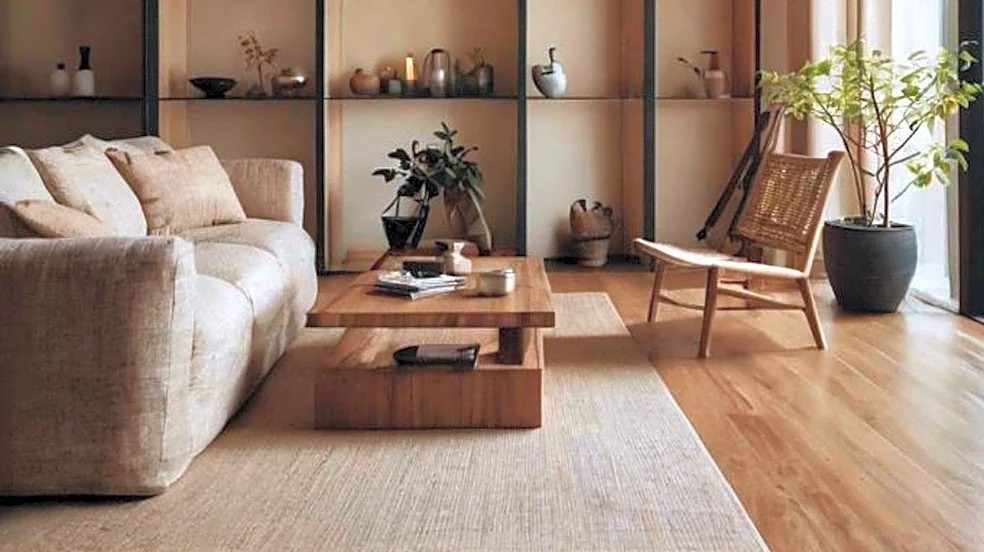
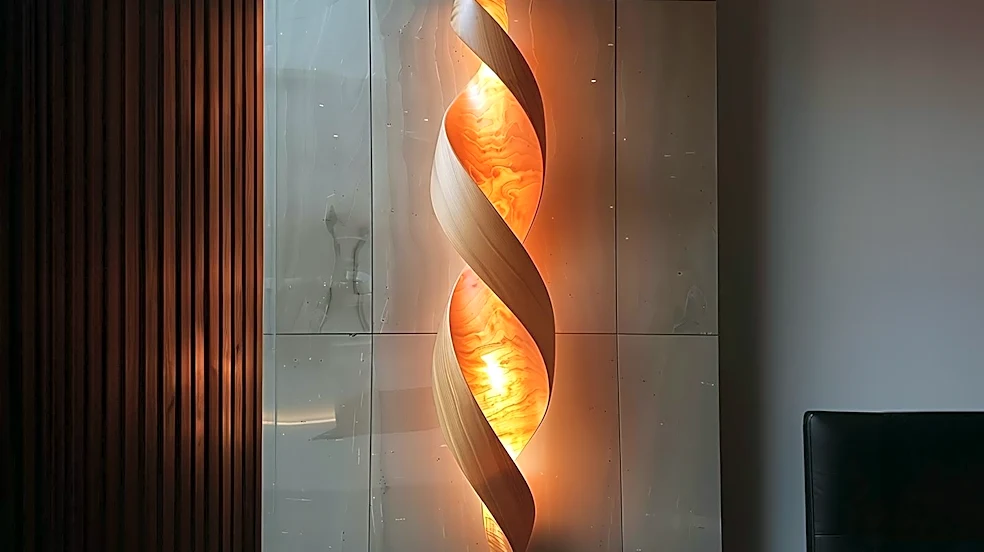
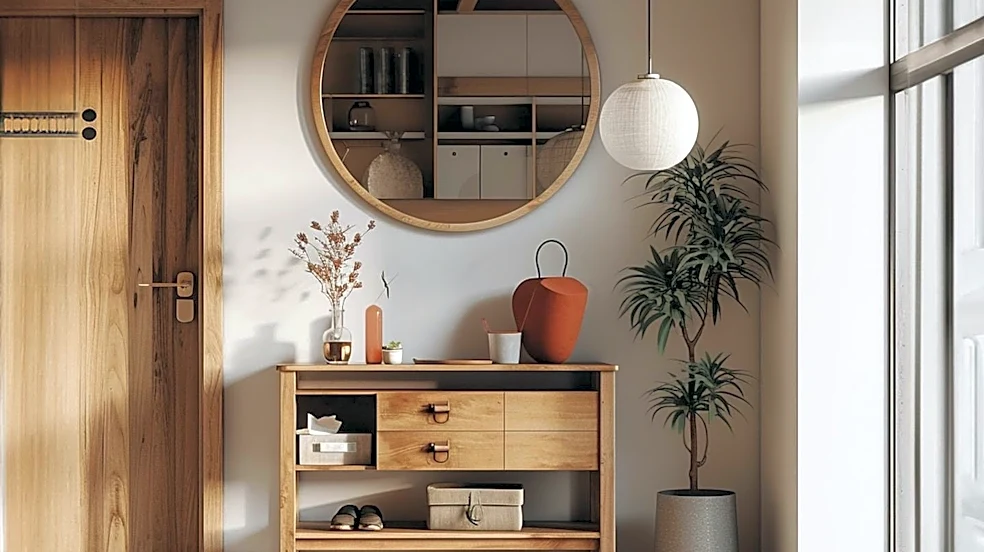
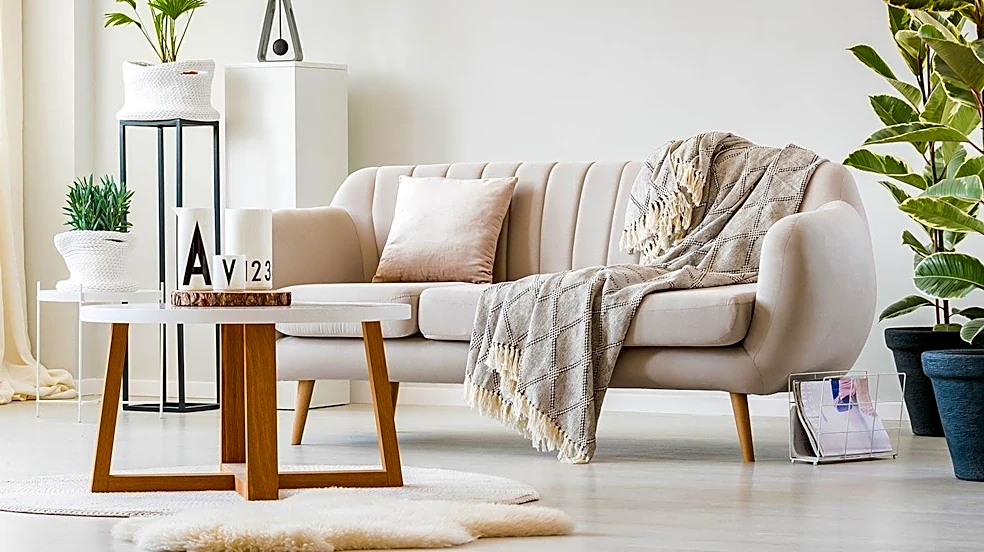
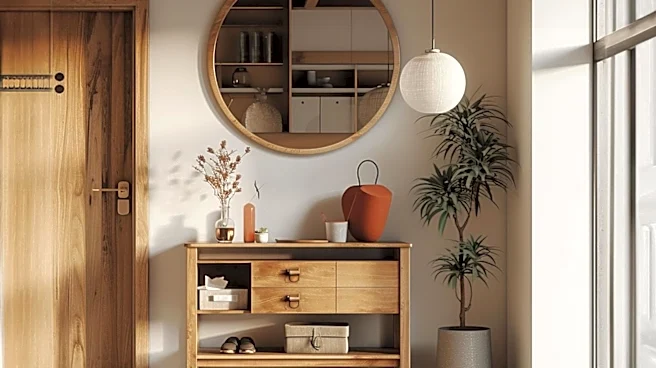
Japandi is an emerging interior design style that fuses Japanese minimalism with Scandinavian warmth. This aesthetic combines the Japanese appreciation for restraint, natural materials, and wabi-sabi (the beauty of imperfection) with Scandinavian principles
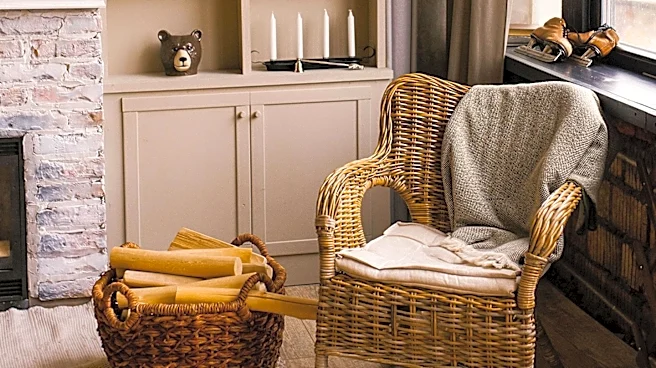
of functionality and comfort. The style is characterized by a serene and neutral color palette, including warm whites, soft beiges, greiges, sand, clay, and mushroom tones, often accented with charcoal or soft black. Key elements include low-profile furniture, natural textures like linen, wool, and jute, and the deliberate use of negative space. Handmade ceramic pieces, often with slight imperfections, are central to embracing the wabi-sabi philosophy. The design emphasizes creating calm, uncluttered, and restful environments that feel lived-in rather than stark. This blend aims to achieve a balance between aesthetic simplicity and inviting comfort, making spaces feel grounded and harmonious.
Why It's Important?
The rise of the Japandi design style reflects a broader societal shift towards mindfulness, sustainability, and well-being within living spaces. In the U.S., where fast-paced lifestyles often lead to cluttered environments, Japandi offers an antidote by promoting decluttering and intentional living. This trend can influence the U.S. home furnishings and interior design industries, driving demand for natural materials, handcrafted goods, and minimalist furniture. Consumers may increasingly seek out products that align with Japandi's emphasis on quality over quantity, potentially boosting local artisans and sustainable manufacturers. Furthermore, the focus on creating calm and functional spaces can impact mental health and productivity, especially as more Americans work from home. The style's adaptability to various budgets, from high-end custom pieces to thoughtful thrift store finds, makes it accessible to a wide demographic, potentially democratizing sophisticated design principles.
What's Next?
As Japandi continues to gain traction, interior designers and furniture retailers in the U.S. are likely to further integrate its principles into their offerings. We can expect to see more collections featuring low-slung furniture, natural wood finishes, and textiles like linen and wool. The market for handmade ceramics and other artisanal decor items that embody wabi-sabi will likely expand. Educational content and workshops on Japandi design principles may also become more prevalent, guiding consumers on how to implement the style in their homes. Furthermore, the influence of Japandi could extend beyond residential spaces, appearing in commercial environments such as offices, cafes, and wellness centers seeking to create tranquil and inviting atmospheres. The emphasis on sustainability and natural materials will also likely drive innovation in eco-friendly product development within the design sector.
Beyond the Headlines
Beyond its aesthetic appeal, Japandi represents a cultural convergence that highlights a growing appreciation for global design philosophies in the U.S. It challenges the consumerist mindset by advocating for fewer, more meaningful possessions and a deeper connection to nature through interior design. The integration of wabi-sabi, which finds beauty in imperfection and transience, offers a philosophical counterpoint to the pursuit of flawless, mass-produced goods. This could foster a more conscious approach to consumption and home decor, encouraging individuals to invest in durable, timeless pieces rather than fleeting trends. The style's emphasis on creating a sanctuary at home also speaks to a collective desire for peace and stability in an increasingly chaotic world, transforming living spaces into havens for reflection and rejuvenation. This cultural exchange through design can lead to a richer, more diverse understanding of aesthetics and lifestyle choices in American society.