





What's Happening?
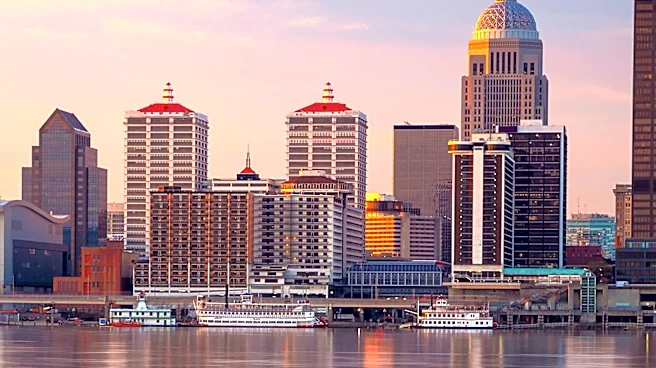
Amazon is constructing a second same-day delivery warehouse in Louisville, Kentucky, a 324,500-square-foot facility located at 8001 Air Commerce Drive. This new hub, expected to open in the second half of 2027, will create over 200 jobs, with new employees
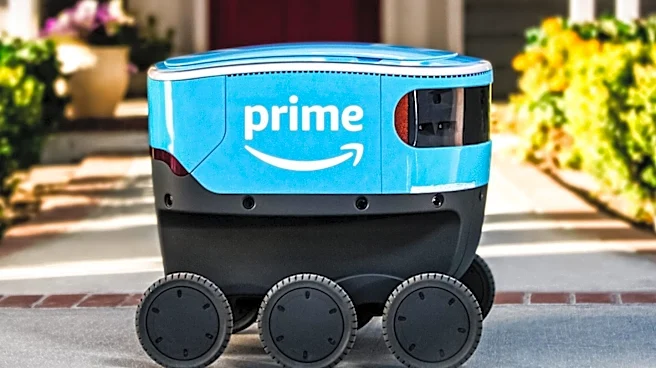
starting at $23 an hour plus benefits, according to WDRB and WLKY. The facility will handle same-day deliveries of general merchandise, perishable groceries, and Amazon Pharmacy prescriptions. This expansion builds on a same-day grocery and pharmacy rollout initiated in February 2026 across a 55-mile radius around Louisville. The move follows Amazon's decision to close its physical Amazon Fresh and Amazon Go stores nationwide, redirecting investment towards centralized same-day delivery networks. The new warehouse will utilize mobile autonomous robots to assist human workers in sorting and moving packages, aiming to enhance fulfillment speed and reduce physical strain on staff. This is Amazon's second same-day delivery site in the Louisville area, complementing a sub-same-day facility opened in late 2024 on Plantside Drive.
Why It's Important?
This expansion signifies Amazon's continued investment in its rapid delivery infrastructure, particularly for essential goods like groceries and prescriptions, which could intensify competition in the U.S. retail and healthcare sectors. The creation of over 200 jobs in Louisville, offering competitive wages and benefits, will have a positive economic impact on the local community. The strategic location of the warehouse near the Louisville Muhammad Ali International Airport and major interstates allows Amazon to reach a significant portion of the U.S. population within a day's drive, enhancing its logistical efficiency. By focusing on same-day delivery for perishables and medications, Amazon aims to capture a larger share of the market from traditional grocers and pharmacies, potentially altering consumer shopping habits. The use of autonomous robots highlights a broader trend of automation in logistics, which could improve efficiency but also raise questions about the future of labor in the warehousing sector. This move also reflects Amazon's strategy to counter rivals like Instacart and DoorDash by expanding its 'Amazon Now' 30-minute delivery option in major metro markets and tripling its rural and small-town delivery network by the end of 2025.
What's Next?
The new Louisville warehouse is slated to open in the second half of 2027, at which point it will begin operations, integrating perishable groceries and Amazon Pharmacy prescriptions into its same-day delivery services. The expansion is part of Amazon's larger national strategy to invest $4 billion to triple its rural and small-town delivery network, aiming to extend same-day and next-day options to over 4,000 smaller communities by the end of 2025. This ongoing investment suggests further expansion of Amazon's rapid delivery capabilities across the U.S. The impact on local traffic around the Airport submarket due to an increase in independent Amazon Flex gig drivers remains to be seen. Additionally, regional brick-and-mortar grocers will likely need to adapt their strategies as Amazon extends its one-to-three-hour delivery coverage across the 55-mile Louisville radius, potentially leading to increased competition and innovation in the grocery delivery market.
Beyond the Headlines
Amazon's strategic shift from physical stores to a robust centralized same-day delivery network underscores a significant evolution in retail, emphasizing convenience and speed as primary drivers of consumer choice. This move could accelerate the decline of traditional brick-and-mortar retail, particularly for everyday essentials and groceries, as consumers increasingly rely on rapid online delivery. The integration of autonomous robots in the new facility highlights the growing role of artificial intelligence and automation in the logistics industry, raising ethical considerations about job displacement and the changing nature of work. While Amazon's expansion creates new jobs, the long-term implications of automation on the workforce warrant close observation. Furthermore, the expansion into pharmacy deliveries positions Amazon as a more direct competitor to established healthcare providers, potentially influencing the accessibility and cost of prescription medications. This aggressive push into diverse sectors reflects Amazon's ambition to become an indispensable part of daily life, from consumer goods to healthcare, further solidifying its market dominance and influencing broader economic and societal trends.