


What's Happening?
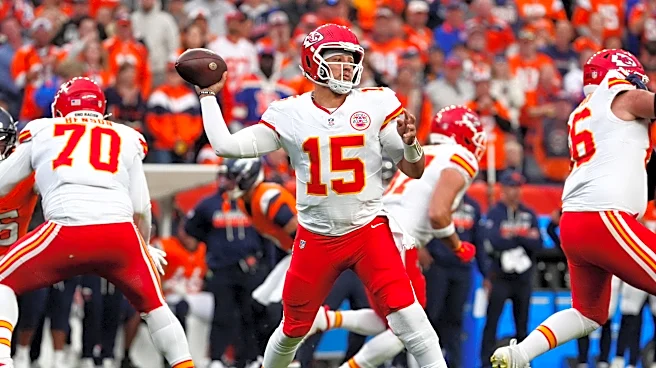
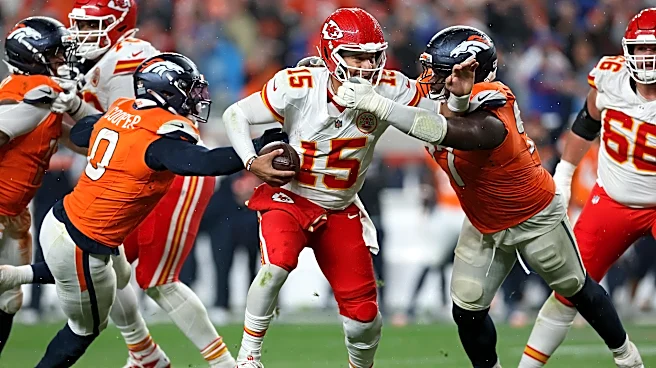
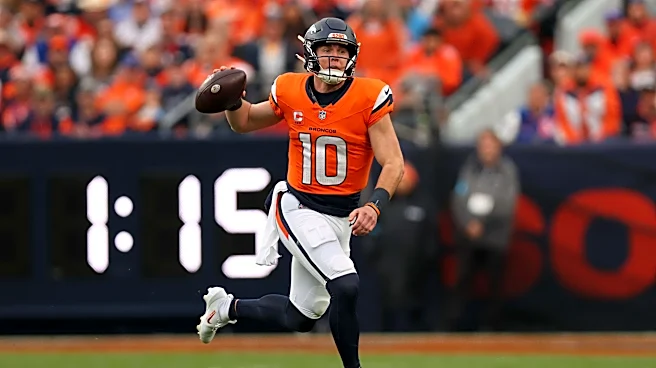
The Kansas City Chiefs are under fire for their consistent avoidance of the quarterback sneak play, a decision that some analysts believe cost them a recent game against the Denver Broncos. During a critical moment, with 32 seconds left and one timeout,
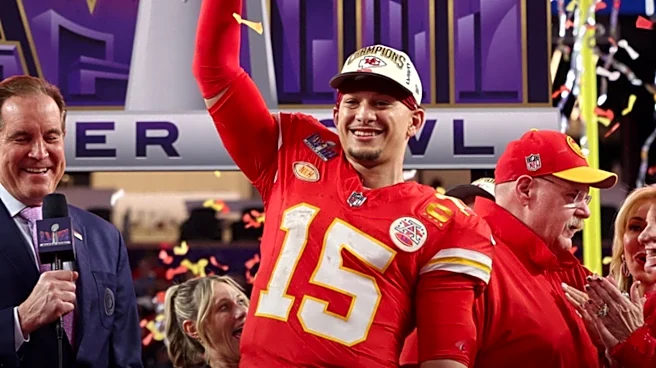
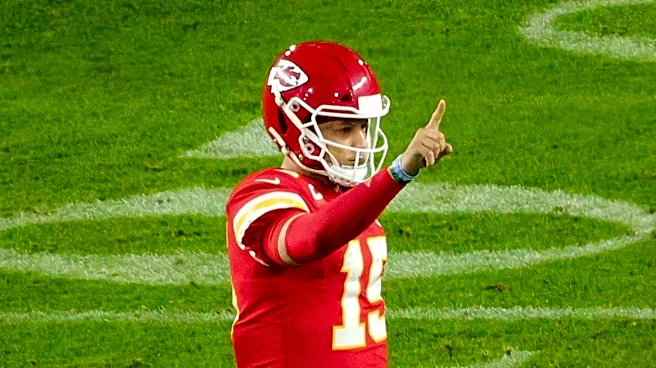
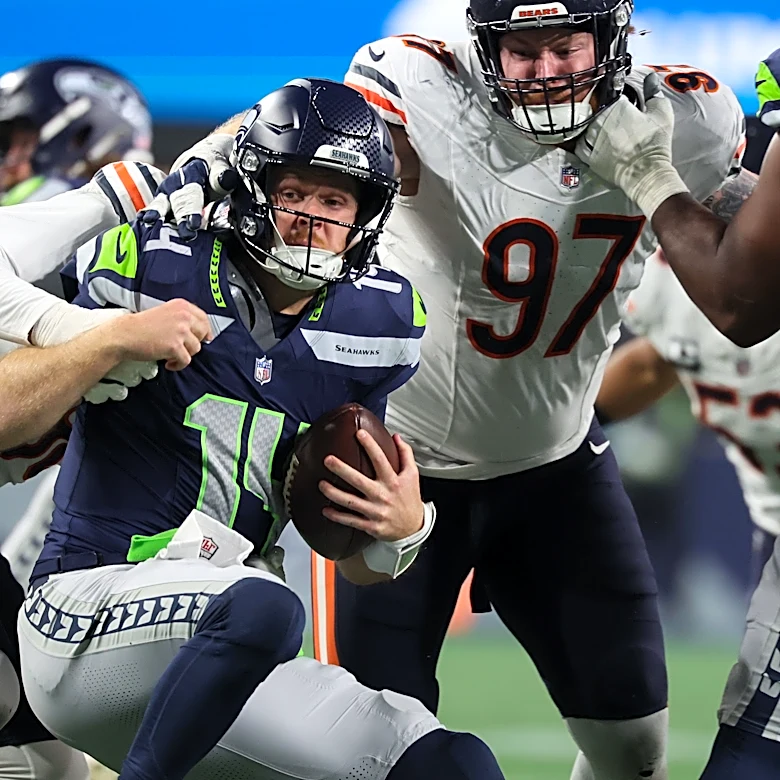
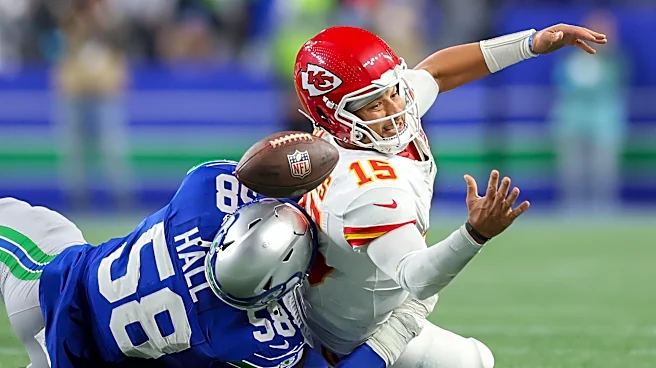
the Chiefs were on the 1-yard line but failed to score after three attempts, none of which were a QB sneak. This play has reportedly been absent from their playbook since 2019, following an injury to quarterback Patrick Mahomes. Critics argue that while Mahomes' past injury is a concern, the team's complete abandonment of a potentially high-percentage play is an overcompensation. The discussion has also brought up backup quarterback Justin Fields as a viable option for such a play, given his capabilities. The Chiefs ultimately lost the game 28-24, intensifying the debate around their play-calling strategy in short-yardage situations.
Why It's Important?
This situation highlights a significant strategic debate within professional football, particularly concerning risk management versus maximizing scoring opportunities. For the Kansas City Chiefs, a team with Super Bowl aspirations, neglecting a fundamental short-yardage play like the QB sneak could have substantial implications for their season's success. The decision not only affects game outcomes but also raises questions about coaching philosophy and player utilization. If the Chiefs continue to struggle in short-yardage situations, it could impact their playoff seeding and overall championship contention. For players like Justin Fields, being identified as a potential solution for a specific play could enhance his value and role within the team, even as a backup, potentially influencing future roster decisions and trade considerations in the NFL.
What's Next?
The ongoing discussion surrounding the Chiefs' play-calling will likely continue to be a focal point for sports analysts and fans, especially if the team faces similar short-yardage scenarios in upcoming games. It remains to be seen if the coaching staff will re-evaluate their stance on the QB sneak or if they will continue to explore alternative strategies. The performance of backup quarterbacks like Justin Fields in practice or limited game action could also influence future decisions regarding this play. Should the Chiefs continue to struggle in these situations, pressure from media and fans to incorporate the QB sneak, or a variation of it, will likely intensify, potentially leading to adjustments in their offensive scheme or personnel usage.
Beyond the Headlines
The Chiefs' reluctance to use the QB sneak, despite its effectiveness for many teams, touches on deeper issues within professional sports regarding innovation, tradition, and player safety. While player safety is a paramount concern, especially after a star player like Patrick Mahomes was injured, completely abandoning a proven play raises questions about competitive disadvantage. This scenario could influence how other teams balance player well-being with strategic aggression. It also underscores the psychological impact of past injuries on coaching decisions, potentially leading to a more conservative approach that might not always be optimal for winning. The debate around the QB sneak reflects a broader tension in sports between protecting athletes and pushing the boundaries of performance and strategy.