


What's Happening?
Lymphatic drainage, a gentle technique designed to stimulate the lymphatic system, is gaining recognition for its role in reducing swelling, supporting immune function, and aiding post-surgical recovery. Unlike deep-tissue massage, manual lymphatic drainage uses
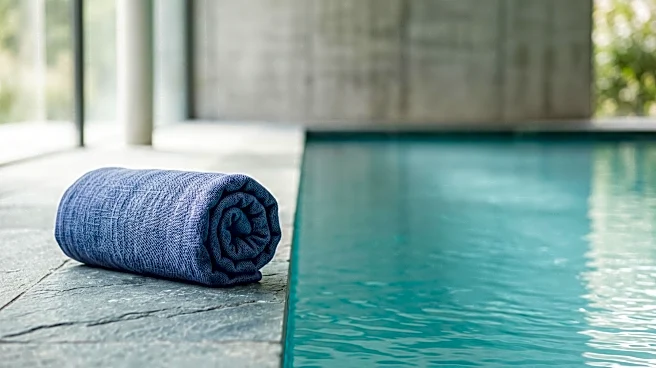
light, directional movements to guide lymph fluid towards lymph nodes, which are crucial for neutralizing toxins and promoting immune response. The lymphatic system, a key transport and immune network, lacks a central pump like the heart, relying instead on muscle contractions, breathing, and movement to circulate lymph fluid. While manual massage is considered a gold standard, other methods such as intentional walking, deep diaphragmatic breathing, and swimming also effectively encourage lymphatic flow. These alternative approaches leverage natural bodily functions to assist the movement of lymph, highlighting the system's dependence on physical activity for optimal function.
Why It's Important?
The efficient functioning of the lymphatic system is vital for maintaining fluid balance, supporting immune function, and removing metabolic waste from tissues. When this system is impaired, it can lead to conditions like lymphedema, characterized by fluid accumulation. The increasing awareness and adoption of various lymphatic drainage techniques, both manual and activity-based, offer accessible ways for individuals to proactively support their health. For those recovering from surgery, these techniques can significantly reduce post-operative swelling and accelerate healing. Beyond clinical applications, incorporating activities like walking and deep breathing into daily routines can enhance overall wellness, boost immunity, and improve fluid circulation, benefiting a broad spectrum of the population by preventing fluid retention and promoting a healthier internal environment.
What's Next?
As understanding of the lymphatic system's importance grows, there is likely to be continued exploration and integration of diverse lymphatic drainage methods into wellness and medical practices. This could lead to more widespread recommendations for non-massage techniques, such as specific exercises and breathing practices, as complementary therapies for various conditions. Further research may also refine existing techniques and identify new, accessible ways to support lymphatic health. Healthcare providers and wellness practitioners may increasingly educate patients on self-management strategies, empowering individuals to incorporate these beneficial practices into their daily lives. The trend suggests a shift towards a more holistic approach to health, where the body's natural mechanisms are leveraged to maintain optimal function and prevent disease.
Beyond the Headlines
The emphasis on lymphatic drainage extends beyond immediate physical benefits, touching upon deeper aspects of holistic health and preventive care. The fact that the lymphatic system relies on movement and breathing underscores the interconnectedness of bodily functions and the profound impact of lifestyle choices on internal health. This understanding challenges the conventional view of health as solely dependent on external interventions, promoting a more active and self-aware approach to well-being. Ethically, the accessibility of non-massage techniques like walking and deep breathing democratizes health maintenance, making vital lymphatic support available to a wider population regardless of economic status. Culturally, this trend reflects a growing appreciation for ancient practices, such as those found in traditional Chinese medicine, which have long recognized the importance of fluid movement and energy flow for health, now being validated by modern physiological understanding.