







What's Happening?
The City of Springfield, Massachusetts, has filed a legal complaint against MGM Resorts International and Blue Tarp Redevelopment, LLC, seeking compliance with their Host Community Agreement (HCA). Mayor Sarno announced the lawsuit, stating that nearly
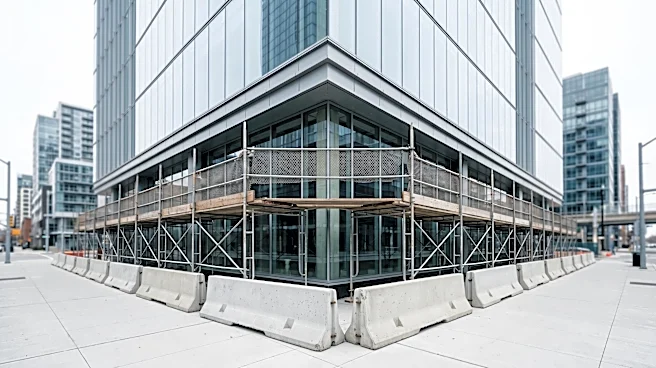
two years of negotiations with MGM regarding non-compliance issues have failed to reach an agreement. The city's legal action aims to compel MGM and Blue Tarp Redevelopment to fulfill obligations outlined in the HCA, which was established during the development and operation of MGM Springfield. A key point of contention highlighted by Mayor Sarno is the prolonged presence of scaffolding and Jersey barriers at the corner of State and Main, specifically at 101 State Street, which he described as an 'ugly' visual that indicates MGM's failure to comply. City Solicitor Stephen Buoniconti noted that MGM had sought to resolve these disputes through a private arbitration process, which the city opposed, believing such matters should not be handled in secret.
Why It's Important?
This lawsuit is significant for several reasons. Firstly, it underscores the importance of Host Community Agreements in ensuring that large-scale developments, particularly casinos, deliver on their promises to local municipalities. The HCA is a critical document designed to mitigate the impacts of such projects and provide tangible benefits to the host community. Failure to enforce these agreements could set a precedent, potentially weakening the negotiating power of other cities and towns in future development deals. Secondly, the public nature of the dispute, with Springfield opting for legal action over private arbitration, highlights a commitment to transparency and accountability in public-private partnerships. The outcome of this case could influence how similar agreements are structured and enforced across the U.S., particularly in states with burgeoning casino industries. It also impacts the relationship between the city and a major employer and taxpayer, potentially affecting future economic development and community trust.
What's Next?
The legal process will now unfold in court, with the City of Springfield seeking a judicial order to compel MGM Resorts International and Blue Tarp Redevelopment to comply with their HCA obligations. MGM has not yet publicly responded to the lawsuit. The court proceedings will likely involve a detailed examination of the HCA's terms and conditions, as well as evidence presented by both parties regarding compliance and non-compliance. The resolution could involve a court-mandated settlement, a judgment in favor of either party, or a renewed attempt at negotiation under judicial oversight. The city's stance suggests a firm commitment to seeing the commitments honored, indicating that this legal battle could be protracted. The outcome will not only determine the specific actions MGM must take in Springfield but could also influence how other municipalities approach similar disputes with large corporations.
Beyond the Headlines
Beyond the immediate legal and financial implications, this lawsuit touches on the broader theme of corporate responsibility and urban development. The 'ugly scaffolding and Jersey barriers' mentioned by Mayor Sarno symbolize a perceived lack of commitment to the aesthetic and functional well-being of the city, despite the significant economic benefits promised by the casino project. This situation can erode public trust in large corporations and their agreements with local governments. It also raises questions about the long-term impact of such developments on urban landscapes and the quality of life for residents. The case could serve as a cautionary tale for other cities considering similar partnerships, emphasizing the need for robust, enforceable agreements and vigilant oversight to ensure that community interests are genuinely served and not merely promised.