




What's Happening?
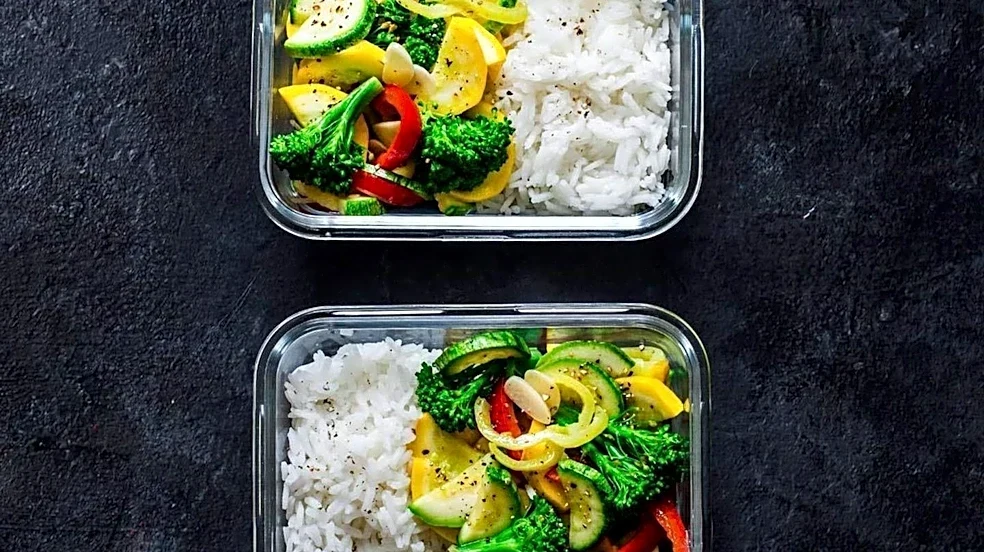
As clocks change and evenings become darker and busier, various meal prep strategies are being highlighted to simplify dinner routines. These methods focus on preparing meals in advance to reduce daily cooking time. Approaches include batch cooking casseroles,
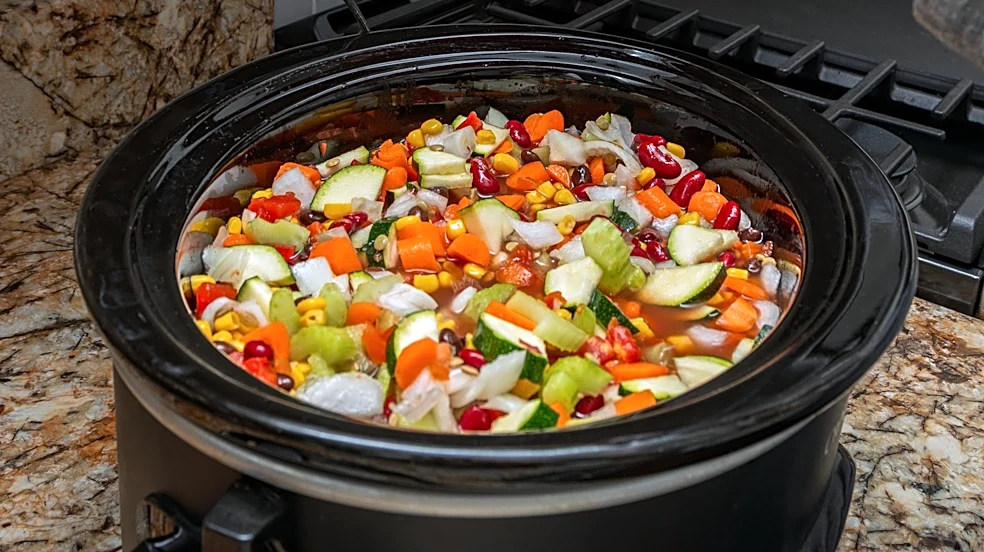
soups, slow cooker mains, and skillet dinners that can be portioned and stored for later consumption. Specific recipes like Teriyaki Chicken Stir Fry, Beef Moussaka, Slow Cooker Pulled Pork, and Minestrone Soup are suggested for their suitability in meal preparation. The goal is to provide ready-to-eat options that can be reheated quickly, making weeknight dinners more manageable. Some recipes are designed to be ready in about 30 minutes, while larger bakes and slow cooker meals yield multiple servings, allowing for efficient planning and reduced effort during the week.
Why It's Important?
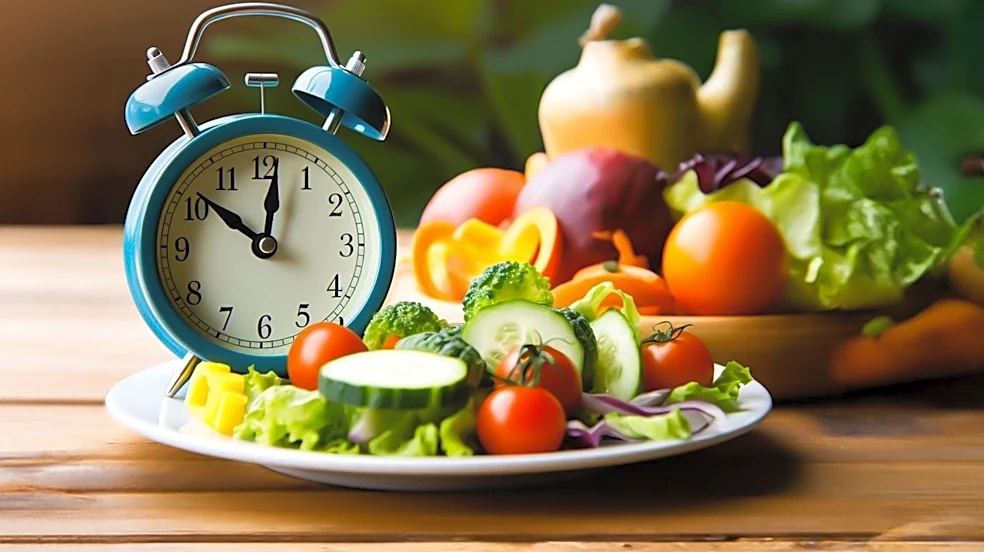
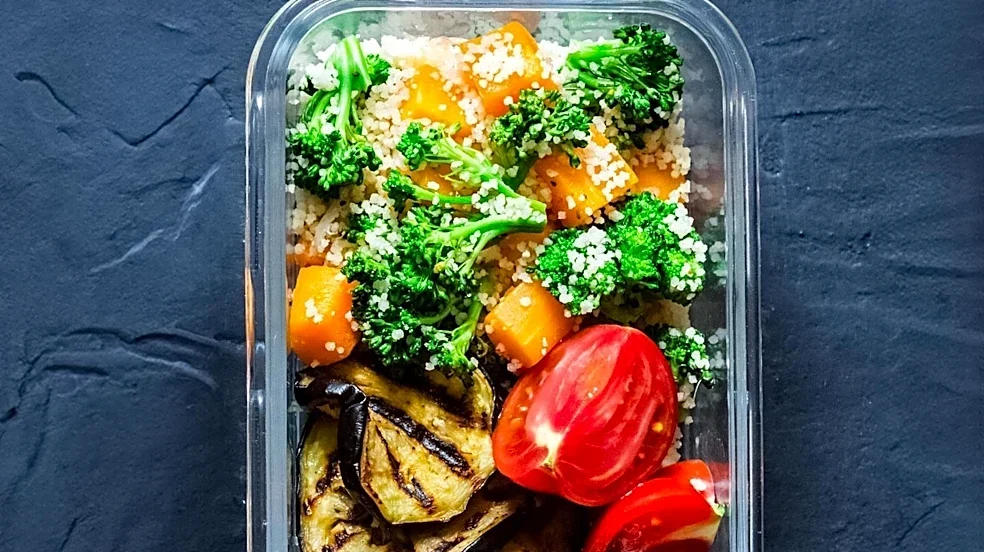
The emphasis on meal prep is important for individuals and families facing time constraints, particularly during periods when daylight saving time ends, leading to earlier darkness. This shift can impact daily schedules and increase the perceived burden of preparing fresh meals each evening. By adopting meal prep techniques, individuals can save significant time during busy weekdays, reduce stress associated with dinner planning, and potentially improve dietary consistency by having healthy, pre-portioned meals readily available. This approach can also lead to cost savings by minimizing reliance on takeout or last-minute grocery runs. The ability to cook in bulk and store meals ensures that nutritious options are accessible, supporting overall well-being and efficient household management.
What's Next?
Consumers are encouraged to explore and implement these meal prep strategies to streamline their dinner routines. The continued development and sharing of batch-friendly recipes and meal planning systems are expected to grow, catering to diverse dietary needs and preferences. The focus will likely remain on recipes that are easy to prepare in larger quantities, store well, and reheat effectively without compromising taste or texture. Further innovations in meal prep tools and containers may also emerge to support these practices, making it even more convenient for individuals to adopt and maintain a consistent meal prep schedule. The trend towards efficient and convenient home cooking is anticipated to continue, driven by busy lifestyles and a desire for healthier eating habits.
Beyond the Headlines
Beyond the immediate convenience, the widespread adoption of meal prep can have broader implications for food consumption patterns and household economics. It can foster a greater awareness of food waste by encouraging planned consumption and proper storage of ingredients and cooked meals. Ethically, it promotes mindful eating and can reduce reliance on processed foods, contributing to better public health outcomes. Culturally, meal prep can shift the perception of cooking from a daily chore to a more organized, strategic activity, potentially allowing for more leisure time and a better work-life balance. The long-term impact could include a societal move towards more sustainable food practices and a re-evaluation of how time is allocated to domestic tasks.