







What's Happening?
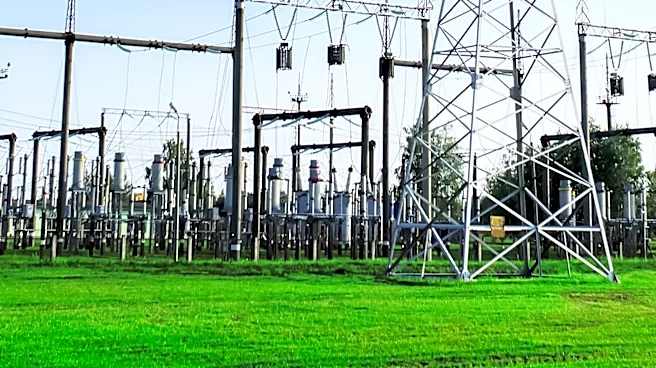
National Grid has finalized a $32 million modernization project at its Perry Street substation in Buffalo, New York. This upgrade introduces 13,200 V distribution capabilities, a significant increase from the substation's original 4,160 V capacity, which
was established when it was built in 1916. The enhanced facility became operational this past summer. The project is a direct response to anticipated load growth in Buffalo's Larkinville and First Ward areas, where new developments, including some exceeding 1 MW, are expected to drive up electricity demand. This Perry Street substation is the first of approximately 12 substations National Grid plans to either modernize or rebuild in the coming years as part of a broader initiative focused on reliability and resilience. The company's long-term strategy also includes converting additional sections of Buffalo to 13.2 kV distribution, upgrading older substations, decommissioning some existing facilities, and constructing new ones to meet evolving energy needs.
Why It's Important?
This substation upgrade is crucial for supporting Buffalo's ongoing urban development and economic expansion. The increased distribution capability directly addresses the growing electricity demands from new mixed-use, affordable housing, commercial, and retail projects in the Larkinville and First Ward areas. Furthermore, the modernization prepares the grid for the increasing adoption of electric heating and electric transportation, which are significant trends impacting energy consumption. By proactively enhancing infrastructure, National Grid aims to prevent potential power shortages and ensure a stable and reliable electricity supply for residents and businesses. This investment also sets a precedent for future infrastructure projects across the region, signaling a commitment to modernizing aging energy systems to meet contemporary and future energy requirements. The project's success will likely influence similar initiatives in other U.S. cities facing similar challenges of aging infrastructure and increasing energy demands.
What's Next?
Following the completion of the Perry Street substation upgrade, National Grid plans to proceed with modernizing or rebuilding approximately 11 more substations in the Buffalo area over the next few years. This forms part of a larger reliability and resilience program. The company will also continue its long-term plan to convert additional parts of Buffalo to 13.2 kV distribution, upgrade other older substations, retire some facilities, and construct new ones. These ongoing efforts are designed to continuously improve the region's electrical infrastructure and ensure it can support future growth and technological advancements, particularly in electric heating and transportation. The success of these projects will be critical in maintaining energy reliability and supporting economic development in Western New York.
Beyond the Headlines
The modernization of the Perry Street substation highlights a broader national challenge and trend: the need to upgrade aging utility infrastructure across the United States. Many urban power grids were established over a century ago and are now struggling to meet the demands of modern populations, new technologies, and climate change impacts. This project by National Grid demonstrates a proactive approach to infrastructure investment, moving beyond reactive maintenance to strategic upgrades that anticipate future energy needs. The focus on higher voltage distribution and the integration of new technologies reflects a shift towards a more resilient and efficient energy system. This initiative could serve as a model for other utility companies grappling with similar issues, emphasizing the importance of long-term planning and significant capital investment to ensure energy security and support sustainable urban development in the face of increasing electrification and population growth.