






What's Happening?
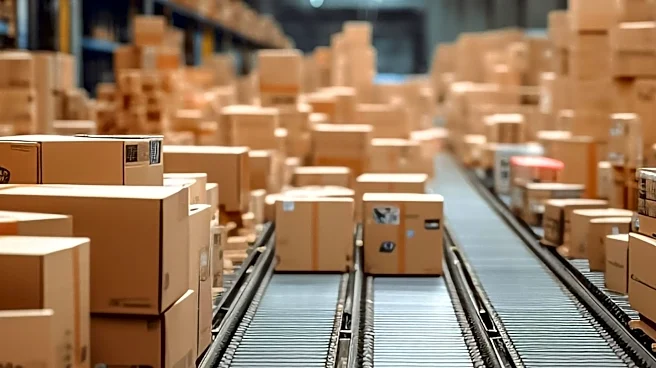
Walgreens has opened a new 68,000-square-foot micro-fulfillment center in Allentown, Pennsylvania, which began operations on November 5. This facility is designed to automate routine prescription fulfillment, thereby reducing the workload on local pharmacists
and pharmacy technicians. According to a November 18 press release, the center is projected to process over 28 million prescriptions annually and will support approximately 650 Walgreens stores across several states, including Pennsylvania, New York, New Jersey, Maryland, Delaware, and Connecticut. This expansion is part of Walgreens' broader strategy to centralize prescription fulfillment, a move that follows a temporary pause in expansion during 2023. The company has also recently opened similar micro-fulfillment centers in Kent, Washington, West Jordan, Utah, and Minnesota, bringing its total to 15 such facilities nationwide. These centers collectively service about 5,500 stores and handled over 200 million prescriptions in fiscal year 2026, marking a 20% year-over-year increase in volume.
Why It's Important?
This strategic expansion by Walgreens signifies a significant shift in how large pharmacy chains manage prescription fulfillment, aiming to enhance efficiency and improve patient care. By automating routine tasks, Walgreens intends to free up in-store pharmacy staff, allowing them to dedicate more time to direct patient interaction, consultations, and specialized services. This could lead to improved customer satisfaction and better health outcomes as pharmacists can focus on clinical roles rather than administrative ones. The increased capacity to process millions of prescriptions annually through these centralized hubs also addresses the growing demand for pharmaceutical services and potentially reduces dispensing errors. For the broader retail and healthcare sectors, Walgreens' investment in micro-fulfillment technology highlights a trend towards automation and supply chain optimization to meet consumer expectations for speed and convenience, mirroring strategies seen in grocery and general retail.
What's Next?
Walgreens is expected to continue scaling its micro-fulfillment network, as indicated by the recent openings following a temporary pause. The success of these centers, particularly in terms of prescription volume and operational efficiency, will likely influence future investment and expansion plans. The company's goal is to have these centralized facilities manage a substantial portion of its total prescription volume, which currently stands at about 40% for stores supported by the network. Other retailers, such as Save A Lot and Hy-Vee, are also adopting micro-fulfillment strategies, suggesting a growing industry trend. Walgreens will likely monitor the impact of these centers on in-store operations, staff morale, and customer experience to refine its strategy further. Future developments may include integrating more advanced automation technologies and expanding the range of services handled by these centralized hubs.
Beyond the Headlines
The shift towards micro-fulfillment centers in the pharmacy sector raises broader implications for the future of retail pharmacy and the role of pharmacists. While automation can boost efficiency, it also prompts questions about job evolution for pharmacy technicians and pharmacists. Their roles may transition from dispensing-focused tasks to more patient-centric services, requiring different skill sets and training. Furthermore, the centralization of prescription fulfillment could impact local pharmacy operations, potentially altering the community pharmacy model. There are also considerations regarding data security and the logistics of transporting medications from centralized hubs to individual stores and directly to consumers. This strategic move by Walgreens reflects a larger industry trend where technology and automation are reshaping traditional service models, pushing for greater efficiency and a redefinition of professional roles within healthcare.